California Nonprofit Organization Insurance
8:30am - 5:00pm Mon-Fri
Will Reply in 15min*
Over 180+ commercial clients covered
100% customer satisfaction guaranteed
Over 10 years of business insurance experience
Most California nonprofits I've reviewed carry a general liability policy and assume they're covered. Then a board gets sued by a terminated program director, or a parent alleges misconduct at a youth camp, and the organization learns that its "full coverage" was a single policy with a long list of exclusions. That gap is expensive, and in California, it can end a mission.
This guide covers the policies a California nonprofit needs and what each one does. It explains the state rules that apply, where coverage gaps tend to hide, and what drives your premiums in the 2026 market. It's written for executive directors, board treasurers, and operations leads who sign off on renewals and need to know what they're buying.
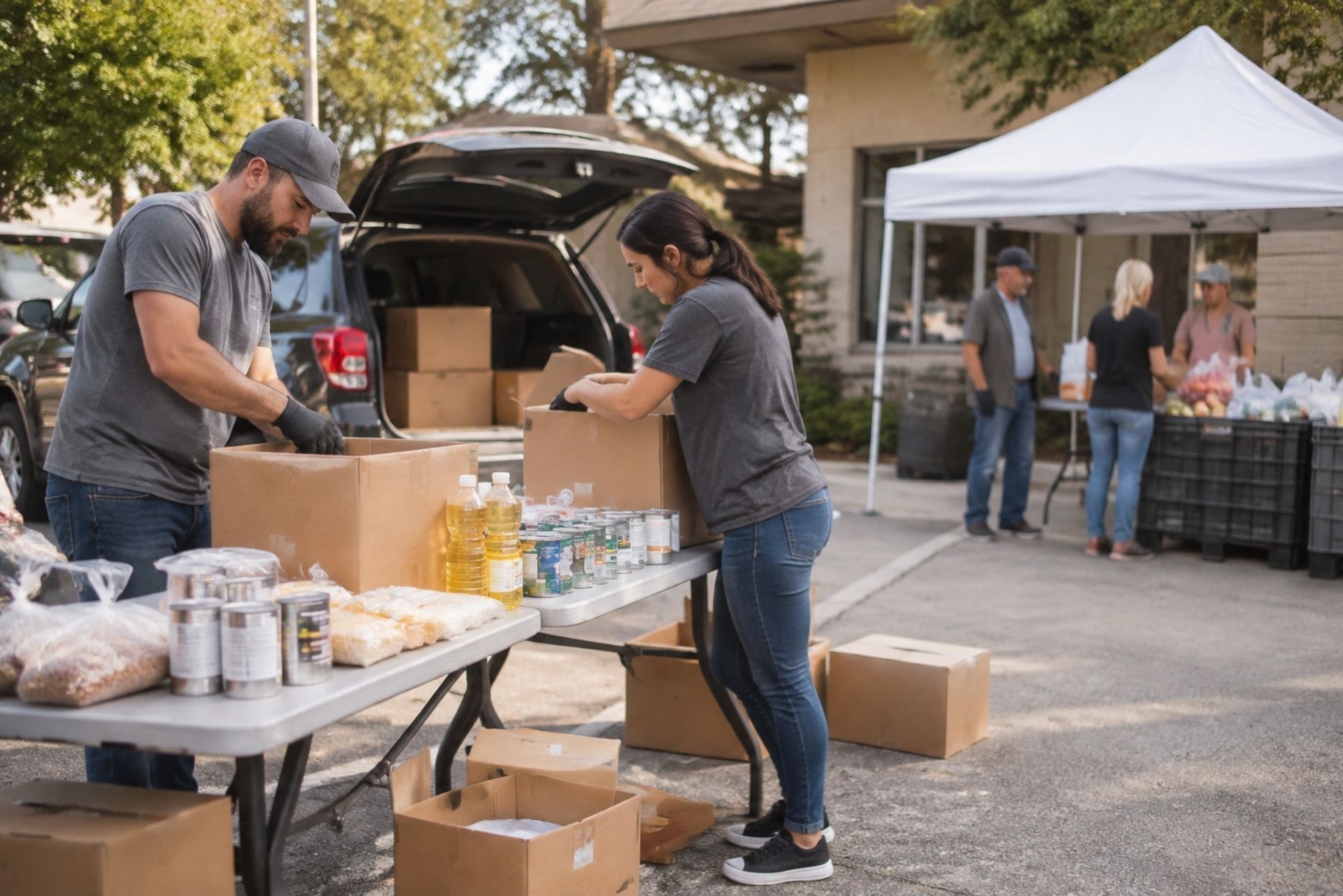
The examples come from the kinds of claims California nonprofits face: a slip at a food bank distribution, a volunteer injured while unloading a truck, a wrongful termination suit against a small arts council. Use it to pressure-test your current program before your next renewal, not after a claim.
Understanding California Insurance Requirements for Nonprofits
California doesn't hand you a single checklist for nonprofit coverage. Your obligations come from three directions: state law, your contracts, and your funders.
State law is the narrowest of the three. If you have even one employee, California requires workers' compensation coverage, and nonprofit status doesn't exempt you. Beyond that, the state doesn't mandate general liability or D&O for most charities.
Contracts and funders fill in the rest, and they're often stricter than the law. A city parks department may require $1 million per occurrence in general liability before you can run a summer program on public land. A foundation grant agreement might require D&O coverage, or name the foundation as an additional insured. Churches and schools that rent space to you will almost always ask for a certificate of insurance before you get the keys.
The regulatory environment is shifting too. On October 19, 2026, the California Department of Insurance put in place a regulation designed to increase transparency in how rate requests are challenged. The 2026 Insurance Commissioner race also put two competing visions for the state's insurance market on the ballot. Jane Kim proposed a state-run public disaster insurance program, while Ben Allen argued for stabilizing the private market. Whoever holds that office will shape property availability for years.
Here's what that means for you: pull every active lease, government contract, and grant agreement before you shop. Those documents set your real minimums.

By: Dax Kastrin
Founder and Agent at ERM Insurance
Core Coverages: General Liability and Property Insurance
These two policies form the base of nearly every nonprofit insurance program. They're often bundled into a business owner's policy (BOP) for smaller organizations, though larger or higher-risk groups usually need them written separately.
General Liability for Third-Party Injuries
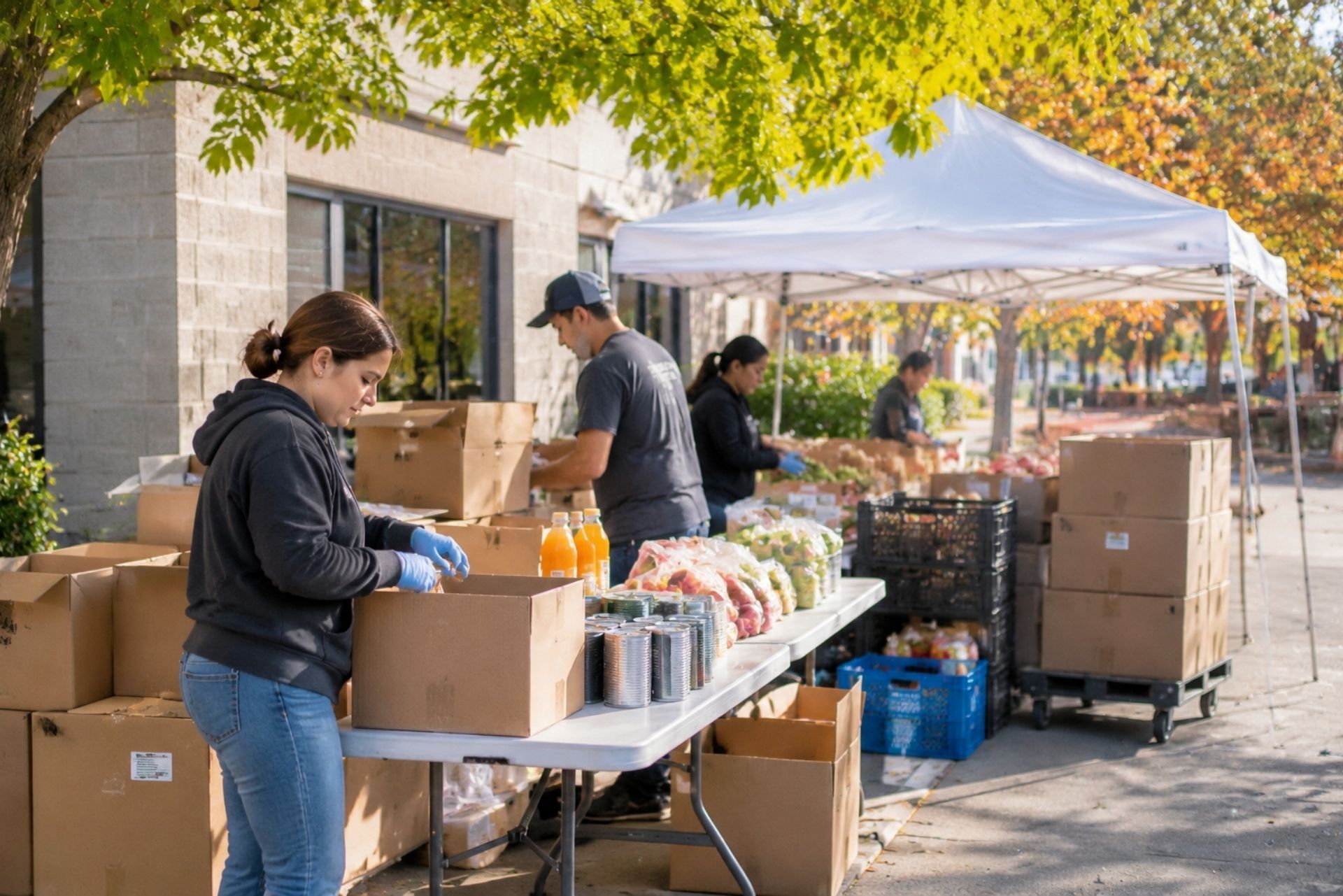
Commercial general liability (CGL) pays when someone outside your organization is hurt or their property is damaged because of your operations. Picture a client tripping over a pallet jack at your food pantry and fracturing a wrist. CGL covers the medical bills, legal defense, and any settlement.
It also covers personal and advertising injury, such as a defamation claim over a newsletter article. The most common limit structure is $1 million per occurrence and $2 million aggregate, and that's what most leases and city contracts ask for.
Pricing for small organizations is more accessible than many board members expect. Minimum annual premiums for small California nonprofits start around $560 for a $500,000 limit. That said, most contracts will push you to $1 million, so budget accordingly.
The catch is the exclusion list. Standard CGL won't cover:
- Employee injuries: that's workers' comp
- Auto accidents: you need commercial auto or hired and non-owned auto coverage
- Professional errors: a counseling or case management mistake needs professional liability
- Abuse and molestation: increasingly excluded outright (more on that below)
Commercial Property vs. Business Personal Property
Commercial property insurance protects buildings you own. Business personal property (BPP) coverage protects the stuff inside: computers, furniture, kitchen equipment, donated inventory, and program supplies. If you rent, you likely need BPP only, plus whatever improvements your lease makes you responsible for.
A common mistake: a thrift store nonprofit insures its fixtures but forgets about donated goods on the sales floor. A fire destroys $40,000 in inventory, and the policy only covers the shelving. Count your donated inventory when you set limits.
Wildfire exposure has made property coverage hard to place in parts of California. Nonprofits that can't find private coverage can turn to the FAIR Plan, which now offers
expanded commercial limits of up to $20 million per building and $100 million per location. FAIR Plan policies are bare-bones, so pair them with a difference-in-conditions policy if you can.
Protecting Leadership with Directors and Officers (D&O) Insurance
Board members volunteer their time. They shouldn't have to risk their homes for it.
D&O insurance covers claims alleging that your directors or officers made wrongful decisions in managing the organization. The plaintiffs might be donors claiming restricted gifts were misused, a state regulator, a vendor, or a merged organization's former leaders. Defense costs alone can run into six figures before a case reaches trial.
California offers some statutory protection for volunteer directors of nonprofit public benefit corporations, but it has conditions and limits. It doesn't stop someone from filing a suit, and it doesn't pay your legal bills. Many experienced board members won't join a board without D&O coverage in place. They're right to ask.
For mid-size California nonprofits in 2026, $2 million in D&O protection typically costs between $1,500 and $5,000 a year. Where you land depends on your budget, financial health, claims history, and whether you're bundling employment practices coverage.
When you review a D&O quote, check these policy details:
- Claims-made trigger: D&O policies cover claims reported during the policy period, so a lapse in coverage can leave old decisions uninsured.
- Entity coverage: Make sure the organization itself is covered, not just individual board members.
- Duty to defend vs. reimbursement: A duty-to-defend form means the insurer manages and pays defense, which most small nonprofits prefer.
- Prior acts date: Switching carriers should not reset this date. Negotiate full prior acts coverage.
One thing to keep in mind: D&O often excludes bodily injury and property damage. Those claims belong under CGL.
Managing Risks with Abuse and Molestation Coverag
If your organization serves children, seniors, people with disabilities, or anyone else considered vulnerable, this is the coverage that matters most and the hardest to buy.
California expanded the window for childhood sexual abuse claims with AB 218, which took effect in 2020 and opened a revival period for older claims. Insurers responded by tightening terms across the board. Nonprofits working with vulnerable populations now generally need a standalone abuse and molestation (SAM) policy, because standard general liability forms exclude these claims.
That exclusion catches organizations off guard. A youth soccer league renews its CGL, sees the same premium, and assumes nothing changed. Buried in the endorsements is a new abuse exclusion. A year later, a former coach is accused, and the league discovers it has no coverage for defense or settlement.
Costs in this line keep climbing. Industry reporting shows that abuse, auto, and casualty costs continue rising for nonprofits, even as some other lines have eased.
Underwriters want proof that you manage the risk. Before applying, have these in writing:
- Background checks for all staff and volunteers with access to vulnerable populations
- A two-adult rule so no adult is alone with a minor
- Mandated reporter training and documented completion
- A written reporting and response procedure
- Rules for transportation, overnight trips, and electronic communication
Strong controls won't guarantee a low price. They will determine whether you get a quote at all.
California Workers' Compensation and Employment Practices
Your people create two kinds of exposure: they can get hurt, and they can sue you. California is one of the most expensive states in the country for both.
State Mandates for Employees and Volunteers
Every California employer with one or more employees must carry workers' compensation. That includes part-time staff, seasonal camp counselors, and your one-person administrative assistant. Operating without it can bring stop-work orders and penalties, and you'd owe the full cost of any injury yourself.
Volunteers are the gray area. Under California law, volunteers for nonprofits generally aren't treated as employees for workers' comp. However, a nonprofit can elect to extend coverage to them. If your volunteers lift heavy boxes at a warehouse, drive delivery routes, or swing hammers on a home repair project, consider it. Otherwise, an injured volunteer's only option may be a lawsuit against you, and that lands on your liability policy.
Costs are moving up. Effective September 1, 2026, the Insurance Commissioner approved a 6.6% increase in advisory pure premium rates, bringing the average to $1.65 per $100 of payroll. Your actual rate depends on your classification codes and experience, but expect upward pressure at renewal.
Watch the year-end audit. Your premium is based on estimated payroll. If you add a grant-funded program mid-year and hire four staff, the auditor will catch the difference, and you'll get a bill. Update your carrier when payroll changes significantly.
Employment Practices Liability Insurance (EPLI)
EPLI covers claims from employees alleging wrongful termination, discrimination, harassment, retaliation, or failure to accommodate a disability. California's employee-friendly laws and active plaintiffs' bar make these claims common, even for organizations with ten staff members.
A typical scenario: a nonprofit lays off a program manager after a grant ends. The employee claims the real reason was a recent pregnancy disclosure. Even if you win, defense can cost tens of thousands of dollars.
Many carriers bundle EPLI with D&O, which often saves money. Check whether your policy includes third-party coverage, which protects you if a client or volunteer alleges harassment by your staff. Ask, too, whether wage and hour claims are excluded. They usually are, and in California that's a big gap.
Comparison of Essential Nonprofit Policies
Use this table as a quick reference for what each policy does and doesn't handle.
| Policy | What It Covers | Who Typically Needs It | Common Gap |
|---|---|---|---|
| General Liability | Third-party injuries, property damage, defamation | Nearly every nonprofit | Excludes abuse, auto, employee injuries |
| Commercial Property / BPP | Buildings, equipment, inventory | Owners and renters with equipment | Underinsured donated goods; wildfire limits |
| D&O | Board and officer management decisions | Any nonprofit with a board | Claims-made lapses; bodily injury excluded |
| Abuse & Molestation | Allegations of abuse or misconduct | Youth, senior, disability services | Often excluded from CGL entirely |
| Workers' Comp | Employee injuries and lost wages | Required with 1+ employees | Volunteers not covered unless elected |
| EPLI | Employee lawsuits over firing, harassment | Any nonprofit with staff | Wage and hour claims usually excluded |
| Commercial Auto | Accidents in organization vehicles | Groups with vans or drivers | Personal auto won't cover program use |
That last row deserves a note. A volunteer driving clients in a personal car is relying on personal auto insurance, which may deny claims tied to organizational activity. Hired and non-owned auto coverage fills that hole. If you own vehicles, plan ahead: commercial auto rates for California nonprofits are rising 7% to 15% in 2026.
Factors That Influence Insurance Costs in California
Two nonprofits with identical budgets can pay wildly different premiums. Underwriters price the risk your work creates, not your mission.
How Budget and Services Affect Premiums
Your annual operating budget drives D&O and EPLI pricing because larger organizations face more complex governance and employment exposures. Revenue and attendance figures also feed general liability rates.
The services you deliver matter more. A grant-making foundation with three staff sits in a very different risk class than an after-school program with 200 kids. Here's how services shift the picture:
- Low risk: advocacy groups, research organizations, grant-making foundations
- Moderate risk: food banks, thrift stores, arts organizations hosting public events
- Higher risk: youth programs, residential treatment, senior day care, transportation services, construction-based housing programs
Special events add risk too. A gala with alcohol service needs liquor liability, and a 5K fundraiser may need event coverage your annual policy doesn't include.
Accuracy matters at application time. If you understate attendance or payroll to get a lower quote, the audit will correct it, often with a bill you didn't budget for.
Location and Property Value Considerations
Where your buildings sit can shape your property premium more than almost anything else. Facilities in wildfire-prone foothills, coastal flood zones, or areas with high theft rates cost more to insure, and some carriers won't write them at all.
Building age and construction matter as well. An unreinforced masonry church hall built in the 1920s carries earthquake and fire concerns that a 2015 tilt-up warehouse doesn't. Remember that standard property policies exclude earthquake, so ask about separate coverage if you own your building.
Insure to replacement cost, not market value. A building appraised at $1.2 million could cost far more to rebuild at today's construction prices. Coinsurance clauses penalize you for underinsuring, so a partial loss could pay out less than you'd expect.
Frequently Asked Questions About Nonprofit Insurance
Do volunteers count as employees for workers' comp in California? Generally, no. But your nonprofit can choose to extend workers' comp coverage to volunteers, which is smart if they do physical work.
Is D&O insurance required for California nonprofits? State law doesn't require it. Many funders and prospective board members expect it, though, and it pays for legal defense that statutory protections don't.
What's the difference between occurrence and claims-made policies? An occurrence policy covers incidents that happen during the policy period, no matter when the claim is filed. Claims-made coverage, common for D&O and EPLI, only covers claims reported while the policy is active.
Why did my general liability policy stop covering abuse claims? Many carriers now exclude abuse and molestation from standard CGL. Organizations serving vulnerable populations generally need a separate standalone policy.
How much does nonprofit insurance cost in California? It varies widely. Small nonprofits can find general liability starting around $560 a year for a $500,000 limit, while $2 million in D&O for a mid-size group typically runs $1,500 to $5,000.
Can we use the FAIR Plan if no one will insure our building?
Yes. The FAIR Plan writes commercial property for California nonprofits that can't find private coverage, though its policies are limited and often need supplemental coverage.
Making the Right Choice for Your Mission
A strong California nonprofit insurance program starts with your contracts and funder requirements, then builds outward based on what your programs expose you to. General liability and property are the foundation. D&O protects the people steering the ship. Abuse coverage is non-negotiable if you serve vulnerable groups. Workers' comp is the law, and EPLI covers one of the most common lawsuits California employers face.
Your next steps are practical. Gather your leases, grant agreements, and government contracts. Get quotes from a broker who works with nonprofits and can access carriers that specialize in them. Read the exclusions, not just the premium. Then review the whole program every year, especially when you add a program, hire staff, or move locations.
Your mission is too important to be undone by one uninsured claim. Treat coverage as part of your strategic plan, not a renewal formality.
About The Author:
Dax Kastrin
As Founder and Agent at ERM Insurance, I’m committed to helping clients understand and manage risk through clear, straightforward coverage solutions. With professional designations as an Accredited Advisor in Insurance (AAI) and Associate in General Insurance (AINS), I focus on delivering dependable protection and personalized service for every individual and business I work with.
Your Business Insurance Solutions

Workers’ Compensation Insurance
Protect your workers from significant financial losses if they are injured or disabled while performing their duties as an employee.

Cyber Liability Insurance
Safeguard your business against financial losses from data breaches, especially those that involve sensitive customer information and other unforeseen cyber events, like cybercrime.

Directors & Officers Liability
Protect your C-suite officers and board members, as well as the companies they represent if they are the subject of a claim or investigation from their duties.

General Liability Insurance
Guard your business against the cost of claims that can be filed due to bodily injury to a third party, damage to third-party property, lawsuits, and more.

Business Owners Insurance
Reduce the cost of premiums by getting a business owner’s insurance, a coverage plan that combines commercial property insurance and general liability insurance.

Commercial Auto Insurance
Guard your business against financial losses from accidents involving company vehicles. Commercial auto insurance provides for bodily injury liability and property damage.

Commercial Property Insurance
Recover from financial losses involving damage to your physical assets, including furniture, physical building, office space, inventory, landscaping and fencing, signage, and more.
Lessor's Risk Insurance
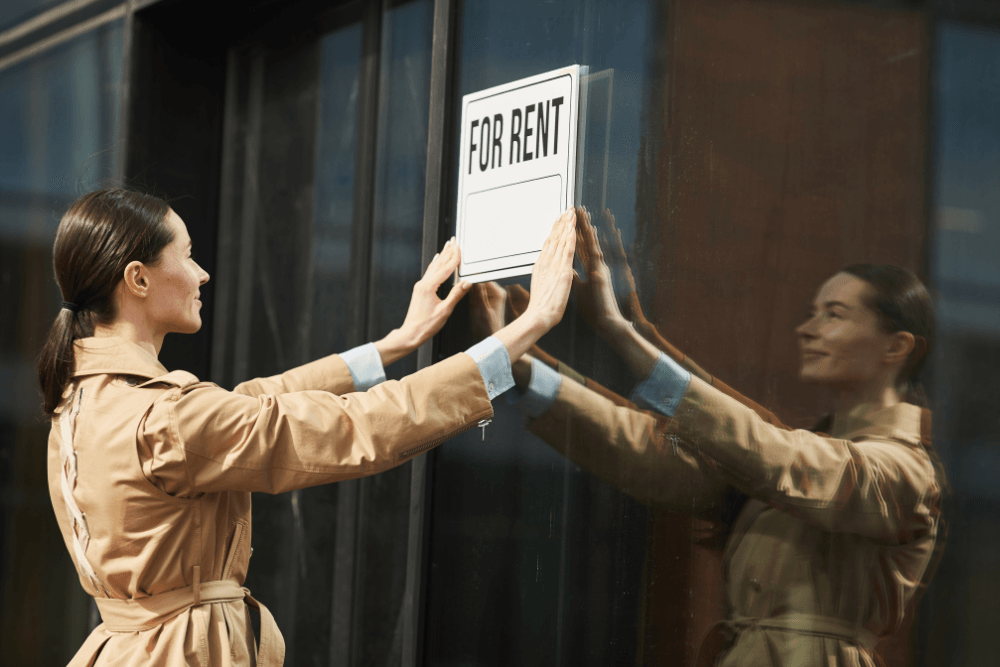
Get coverage for your rental properties. A lessor’s risk insurance covers financial losses from acts of vandalism, litigation costs for lawsuits, theft of property owned by your tenants, and more.

Product Liability Insurance
Protect your companies from claims made against the goods you provide. This covers injuries caused by malfunctions of products, design defects, and more.
Choose Elemental Risk Management Today
Get a Plan Suited to Your Business
ERM assesses the risks that your company faces, as well as your industry, operations, workforce, and more.
Recover Quickly
With business insurance coverage, you’ll bounce back from adverse events that could have left your business on the brink of bankruptcy.
Avoid Overpaying
Through customized solutions, your business will get adequate coverage without unnecessary costs. We’ll keep premiums cost-effective.
Our Testimonials
Hear from our clients
“We recently changed our business insurance after over 20 years, and we couldn't be happier. We didn't realize how poor the service was, how unresponsive, and slow the service was of our previous carrier. Dax and his team have gone above and beyond to answer every question our business had, to ensure that we had the coverage we needed, and fully understood everything we were getting. Not only did we save money, but we have saved a lot of time with the quick responsiveness of this team. They are exceptional. Would Highly recommend, and provide references."
Laura Harrison
May 2021
"I love working with the ERM crew! They are always super inquisitive and willing to learn/ask questions to provide their clients with the best possible insurance solution. I would definitely recommend them to anyone looking for advice on their current policies and coverage."
Nicole Limpert
May 2021
“Elemental Risk Management has been our insurance agent for 2 years now. They are consistently shopping for us to have the very best quality of coverage, as well as the best rates available. They saved our company over $20,000.00 in premiums our first year doing business with them. They are also quick to respond to any need (COI's, accident reporting, etc.). I recommend the team at ERM very highly!
Ramona Mills
June 2021