Hydroelectric and Hydropower Plant Insurance
8:30am - 5:00pm Mon-Fri
Will Reply in 15min*
Over 180+ commercial clients covered
100% customer satisfaction guaranteed
Over 10 years of business insurance experience
A single hydropower facility can represent hundreds of millions of dollars in infrastructure, from concrete dams and penstocks to turbine halls and transmission equipment. When something goes wrong, whether it's a mechanical failure, a flood event, or a downstream liability claim, the financial exposure is staggering. That's why insurance coverage designed specifically for hydroelectric and hydropower plants has become a critical piece of any operator's risk management strategy. The global hydropower insurance market is
projected to reach $14.7 billion by 2034, growing at a compound annual growth rate of roughly 6%, which signals just how much capital is flowing into protecting these assets. With the U.S. Department of Energy
releasing $430 million for hydropower upgrades and the EIA expecting
U.S. hydropower generation to increase 5% in 2026, more plants are coming online and existing ones are being modernized. Both scenarios demand insurance policies that match the unique risk profile of
water-powered energy generation. Standard commercial property policies won't cut it here. The risks are too specialized, the equipment too expensive, and the regulatory obligations too complex. Understanding what coverage you actually need, and where typical policies fall short, can save you from catastrophic out-of-pocket losses.
Protecting Renewable Energy Infrastructure
Hydropower plants sit at an unusual intersection of heavy civil engineering, environmental stewardship, and energy production. That combination creates a risk profile you won't find in wind or solar operations. A dam failure doesn't just destroy equipment; it can devastate downstream communities, trigger environmental disasters, and expose operators to decades of litigation.
Insurance for these facilities has to account for risks that span multiple categories. You're dealing with mechanical breakdown of turbines that cost millions to replace, regulatory fines from agencies like FERC, environmental cleanup obligations, and potential third-party bodily injury claims if a dam breach or spillway failure impacts surrounding areas. Each of these risks requires its own coverage approach, and a gap in any one of them can be financially devastating.
The
2026 World Hydropower Outlook highlights hydropower's growing role in global energy systems, which means insurers are paying closer attention to this sector. That's good news for operators because it means more policy options and more competitive pricing. But it also means underwriters are getting more sophisticated about what they'll cover and what exclusions they'll enforce.

By: Dax Kastrin
Founder and Agent at ERM Insurance
Core Insurance Coverages for Hydropower Facilities
Property and Machinery Breakdown Coverage
Your turbines, generators, transformers, and control systems represent the most valuable assets at any hydropower plant. Property coverage protects the physical structures, including the dam, powerhouse, intake structures, and penstocks. Machinery breakdown coverage, sometimes called equipment breakdown or boiler and machinery insurance, specifically addresses internal mechanical and electrical failures.
Here's a scenario we've seen play out: a governor system malfunction causes a turbine to overspeed, destroying the runner and damaging the generator windings. A standard property policy might exclude this because there was no external cause like a fire or flood. Machinery breakdown coverage fills that gap. Typical limits for mid-sized facilities range from $10 million to $50 million, depending on replacement costs and the age of the equipment. You'll want to make sure your policy covers the full replacement value, not just the depreciated book value, of critical components.
General Liability and Dam Failure Responsibility
General liability protects you if someone is injured on your property or if your operations cause damage to a third party. For hydropower, the big concern is downstream liability from dam failure or uncontrolled water releases. A breach that floods a town downstream could generate claims in the hundreds of millions.
Most standard GL policies have dam failure exclusions, so you'll need a specific endorsement or a standalone dam liability policy. These policies typically cover bodily injury, property damage, and evacuation costs for affected communities. Limits of $50 million to $100 million aren't uncommon for larger facilities, and some operators carry excess liability layers on top of that. Your state dam safety program may also require minimum coverage amounts as a condition of your operating permit.
Business Interruption for Revenue Loss
If your plant goes offline due to a covered event, business interruption insurance replaces the revenue you would have earned during the downtime. This is especially critical for hydropower because turbine repairs or dam remediation projects can take months or even years to complete.
A well-structured BI policy should cover lost power sales, fixed operating costs that continue during the outage, and extra expenses incurred to bring the plant back online faster. Pay attention to the waiting period, which is the number of days after the event before coverage kicks in. Most policies have a 30- to 60-day waiting period, but you can negotiate shorter windows for higher premiums. The indemnity period, or how long the policy will pay out, should match a realistic worst-case repair timeline for your most critical equipment.
Comparing Standard vs. Specialized Hydro Policies
A standard commercial property policy treats your hydropower plant like any other industrial facility. A specialized hydro policy understands the unique risks of water-powered generation. The differences are significant, and choosing the wrong one can leave you exposed at the worst possible time.
Coverage Comparison Table
| Coverage Area | Standard Commercial Policy | Specialized Hydropower Policy |
|---|---|---|
| Dam Failure Liability | Typically excluded | Included or available as endorsement |
| Turbine/Generator Breakdown | Limited or excluded | Full machinery breakdown included |
| Flood Damage | Often excluded in high-risk zones | Tailored flood coverage available |
| Business Interruption | Generic BI with standard triggers | BI tied to water flow and generation capacity |
| Environmental Cleanup | Pollution exclusion common | Gradual and sudden pollution coverage |
| Regulatory Compliance Costs | Not covered | FERC/state compliance costs included |
| Sediment/Debris Removal | Minimal sub-limits | Higher limits for intake/reservoir clearing |
| Construction Phase | Separate builder's risk needed | Integrated construction-to-operation coverage |
The price difference between these two approaches might be 20% to 40%, but the coverage gap is far wider. We've seen operators try to save on premiums with a standard policy only to discover after a loss that their turbine failure wasn't covered because it wasn't caused by a "named peril."
Age and Maintenance of Turbines and Infrastructure
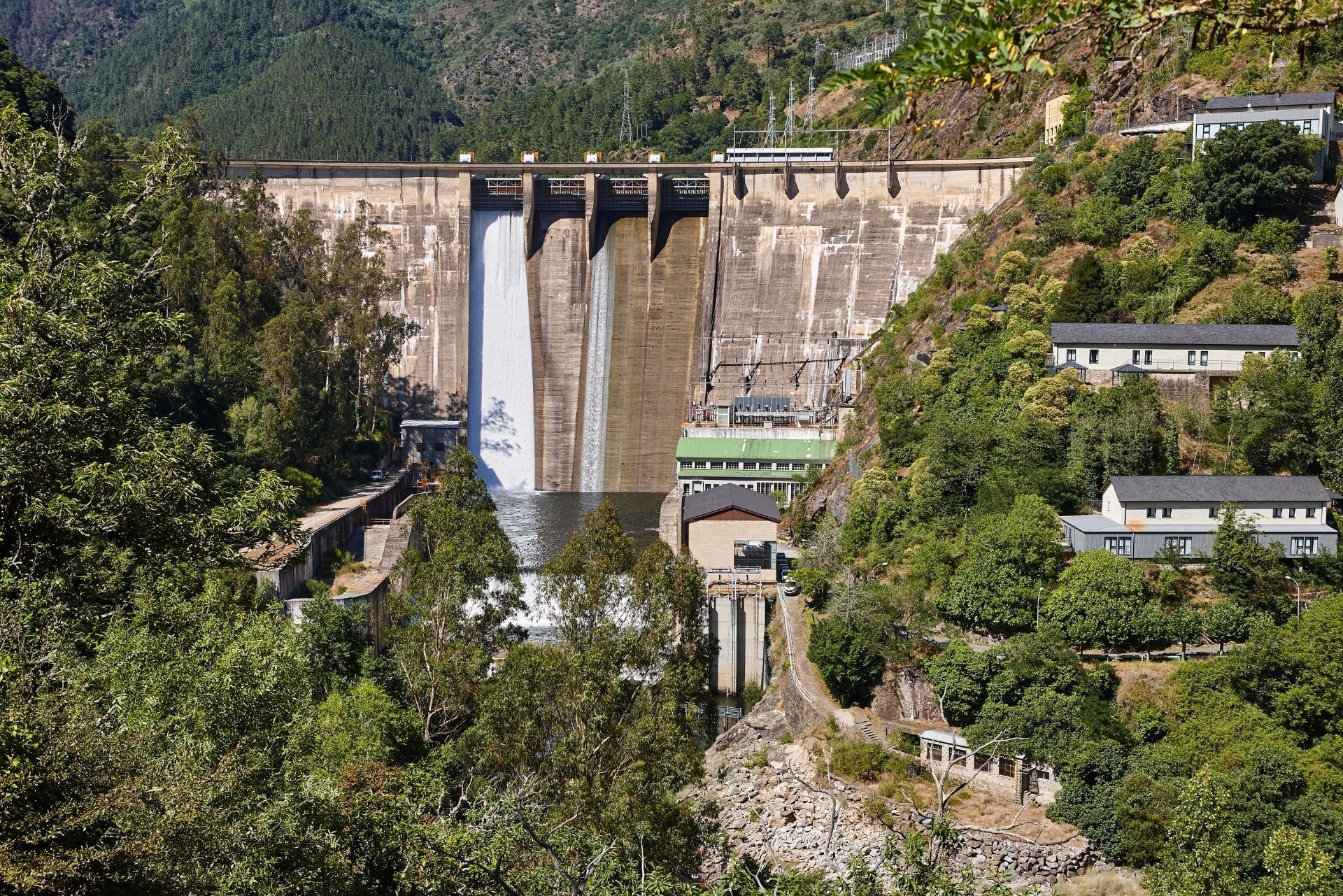
Underwriters care deeply about how old your equipment is and how well you maintain it. A plant running 1960s-era Francis turbines with spotty maintenance records will pay significantly more than a facility with modern Kaplan turbines and a documented preventive maintenance program. Some insurers won't even quote plants with dams over a certain age unless a recent engineering inspection report is available.
Keeping detailed maintenance logs, performing regular vibration analysis on rotating equipment, and investing in condition monitoring systems can all reduce your premiums. Insurers want to see that you're proactive about preventing failures, not just reacting to them.
Environmental and Regulatory Compliance Risks
FERC relicensing, state water quality certifications, fish passage requirements, and minimum flow obligations all create compliance risks that affect your insurance costs. If your plant has a history of regulatory violations or pending enforcement actions, expect higher premiums or coverage restrictions.
The 2026 World Hydropower Outlook emphasizes the growing regulatory complexity around hydropower operations globally. Insurers track these trends closely. Plants that can demonstrate strong compliance histories and proactive environmental management programs are rewarded with better rates.
Geographic Location and Flood History
A plant in a region with a history of extreme flood events will face higher premiums than one in a more stable hydrological area. Insurers look at FEMA flood maps, historical inflow data, and the plant's spillway capacity relative to probable maximum flood estimates. If your dam's spillway can't handle the PMF, that's a red flag that will show up in your premium.
Climate variability is also becoming a bigger factor. Prolonged drought reduces generation and revenue, while extreme precipitation events increase flood risk. Underwriters are incorporating updated climate models into their pricing, so your geographic risk profile may be shifting even if your plant hasn't changed.
Common Questions About Hydroelectric Insurance
What does dam failure liability actually cover?
Dam failure liability covers third-party bodily injury and property damage caused by a dam breach, overtopping, or uncontrolled water release. It typically includes evacuation costs for downstream populations and legal defense expenses. Coverage limits vary widely, but most operators carry at least $25 million to $100 million depending on the dam's hazard classification.
Does insurance pay if the water level is too low to generate power?
Standard business interruption policies don't cover low water levels because drought isn't a "covered peril" in most property policies. However, some specialized hydro policies offer parametric drought coverage that triggers a payout when water inflow drops below a defined threshold. This is a newer product, and availability varies by insurer.
How do I insure a new plant during the construction phase?
You'll need a builder's risk policy during construction, which covers damage to the structure and equipment while it's being built. Some specialized insurers offer integrated policies that transition from construction coverage to operational coverage once the plant is commissioned. This avoids a gap between when your builder's risk expires and your operational policy begins.
Will my policy cover environmental cleanup from oil leaks?
Most standard policies have pollution exclusions that would deny a claim for oil leaking from a transformer or hydraulic system into the waterway. You need a pollution liability endorsement or a standalone environmental impairment liability policy. These cover cleanup costs, third-party claims, and regulatory fines related to pollution events. Given that hydropower plants sit directly on waterways, this coverage is essential.
Is cyber insurance necessary for modern hydro plants?
Yes. Modern hydropower plants rely on SCADA systems, remote monitoring, and automated controls that are all vulnerable to cyberattacks. A successful intrusion could manipulate gate controls, disable safety systems, or shut down generation entirely. Cyber liability insurance covers incident response costs, business interruption from cyber events, and third-party claims if a breach compromises grid stability or downstream safety.
Making the Right Choice for Long-Term Stability
Getting hydropower plant insurance right isn't a one-time decision. It's something you should revisit annually, especially as your equipment ages, regulations change, and climate patterns shift. The cheapest policy is rarely the best one, and the coverage gaps in a standard commercial policy can cost you far more than the premium savings.
Start by getting quotes from at least three insurers who specialize in energy or specifically in hydro. Ask each one to walk you through their exclusions, not just their coverages. The exclusions tell you where you're exposed. Make sure your policy limits reflect current replacement costs, not what your equipment was worth a decade ago.
If you're operating an older facility or planning a modernization project, talk to your insurer before you start work. Changes to your dam, turbines, or control systems can affect your coverage and your premiums, sometimes for the better. A proactive conversation with your underwriter can save you from a denied claim down the road. The investment in proper coverage protects not just your facility, but the communities and ecosystems that depend on the water you manage.
About The Author:
Dax Kastrin
As Founder and Agent at ERM Insurance, I’m committed to helping clients understand and manage risk through clear, straightforward coverage solutions. With professional designations as an Accredited Advisor in Insurance (AAI) and Associate in General Insurance (AINS), I focus on delivering dependable protection and personalized service for every individual and business I work with.
Your Business Insurance Solutions

Workers’ Compensation Insurance
Protect your workers from significant financial losses if they are injured or disabled while performing their duties as an employee.

Cyber Liability Insurance
Safeguard your business against financial losses from data breaches, especially those that involve sensitive customer information and other unforeseen cyber events, like cybercrime.

Directors & Officers Liability
Protect your C-suite officers and board members, as well as the companies they represent if they are the subject of a claim or investigation from their duties.

General Liability Insurance
Guard your business against the cost of claims that can be filed due to bodily injury to a third party, damage to third-party property, lawsuits, and more.

Business Owners Insurance
Reduce the cost of premiums by getting a business owner’s insurance, a coverage plan that combines commercial property insurance and general liability insurance.

Commercial Auto Insurance
Guard your business against financial losses from accidents involving company vehicles. Commercial auto insurance provides for bodily injury liability and property damage.

Commercial Property Insurance
Recover from financial losses involving damage to your physical assets, including furniture, physical building, office space, inventory, landscaping and fencing, signage, and more.

Lessor's Risk Insurance
Get coverage for your rental properties. A lessor’s risk insurance covers financial losses from acts of vandalism, litigation costs for lawsuits, theft of property owned by your tenants, and more.

Product Liability Insurance
Protect your companies from claims made against the goods you provide. This covers injuries caused by malfunctions of products, design defects, and more.
Choose Elemental Risk Management Today
Get a Plan Suited to Your Business
ERM assesses the risks that your company faces, as well as your industry, operations, workforce, and more.
Recover Quickly
With business insurance coverage, you’ll bounce back from adverse events that could have left your business on the brink of bankruptcy.
Avoid Overpaying
Through customized solutions, your business will get adequate coverage without unnecessary costs. We’ll keep premiums cost-effective.
Our Testimonials
Hear from our clients
“We recently changed our business insurance after over 20 years, and we couldn't be happier. We didn't realize how poor the service was, how unresponsive, and slow the service was of our previous carrier. Dax and his team have gone above and beyond to answer every question our business had, to ensure that we had the coverage we needed, and fully understood everything we were getting. Not only did we save money, but we have saved a lot of time with the quick responsiveness of this team. They are exceptional. Would Highly recommend, and provide references."
Laura Harrison
May 2021
"I love working with the ERM crew! They are always super inquisitive and willing to learn/ask questions to provide their clients with the best possible insurance solution. I would definitely recommend them to anyone looking for advice on their current policies and coverage."
Nicole Limpert
May 2021
“Elemental Risk Management has been our insurance agent for 2 years now. They are consistently shopping for us to have the very best quality of coverage, as well as the best rates available. They saved our company over $20,000.00 in premiums our first year doing business with them. They are also quick to respond to any need (COI's, accident reporting, etc.). I recommend the team at ERM very highly!
Ramona Mills
June 2021