Utah Short-Term Rental Owner insurance
8:30am - 5:00pm Mon-Fri
Will Reply in 15min*
Over 180+ commercial clients covered
100% customer satisfaction guaranteed
Over 10 years of business insurance experience
Owning a vacation rental property in Utah puts you at the crossroads of opportunity and risk. Between Park City ski chalets, Moab desert retreats, and Salt Lake City urban getaways, the Beehive State attracts millions of visitors annually. That steady stream of guests creates income potential, but it also exposes you to liability claims, property damage, and coverage gaps your standard homeowners policy won't address. Understanding insurance for Utah short-term rental owners is essential before your first guest checks in.
The stakes are higher than many hosts realize. A guest slips on icy stairs at your Sundance-area cabin and breaks their wrist. A wildfire evacuation forces you to cancel three weeks of peak-season bookings. A renter's dog destroys your custom furniture. These scenarios happen regularly, and without proper coverage, you're personally responsible for every dollar of loss. Utah's unique combination of extreme weather, outdoor recreation risks, and evolving local regulations makes this state particularly challenging for vacation rental owners who rely solely on platform protection or residential insurance policies.
This guide breaks down what Utah short-term rental owners need to know about protecting their investment, from state-specific legal requirements to coverage gaps that catch hosts off guard.
The Intersection of Utah State Laws and Short-Term Rental Coverage
Navigating Utah's SB 107 and Local Zoning Regulations
Utah's Senate Bill 107, passed in 2017, limits how strictly cities can regulate short-term rentals in residential areas. The law prevents outright bans but still allows municipalities to impose licensing requirements, occupancy limits, and safety standards. Salt Lake City requires a business license and annual inspection. Park City has strict caps on rental permits in certain zones. Moab implemented a lottery system for new STR licenses.
These regulations directly affect your insurance needs. Operating without proper permits can void your coverage entirely. If you file a claim and your insurer discovers you were running an unlicensed rental, they can deny the claim and potentially cancel your policy. Before shopping for coverage, confirm your property is legally permitted for short-term rental use in your specific municipality. Keep copies of all licenses and permits with your insurance documents.
Why Homeowners Policies Often Fail Utah Hosts
Standard homeowners insurance assumes you live in the property or rent it to long-term tenants. The moment you list on Airbnb or VRBO, you've changed your property's use classification from residential to commercial. Most homeowners policies contain exclusions for business activities conducted on the premises.
Here's what typically happens: a guest is injured, you file a claim, and your insurer investigates. They discover your Airbnb listing, deny the claim for policy violation, and may cancel your coverage entirely. You're now uninsured, facing a lawsuit, and potentially liable for the guest's medical bills. Some hosts assume their insurer won't find out, but claims adjusters routinely check rental platforms during investigations.


By: Dax Kastrin
Founder and Agent at ERM Insurance
Essential Coverage Components for Utah Vacation Rentals
Commercial General Liability for Guest Injuries
General liability coverage protects you when guests or their visitors are injured on your property. In Utah, where outdoor activities drive much of the tourism industry, injury risks run higher than average. Guests use hot tubs, fire pits, hiking trails, and ski equipment. Each activity creates potential liability.
Most specialized STR policies offer between $300,000 and $1 million in general liability coverage. For properties in high-traffic tourist areas or those with amenities like pools, we recommend at least $1 million. The cost difference between coverage levels is typically modest, often just $100-200 annually, while the protection difference is substantial.
Building and Contents Protection for High-Turnover Use
Vacation rentals experience more wear and tear than owner-occupied homes. Strangers use your appliances, furniture, and fixtures weekly. They don't treat your property with the same care you would. Building coverage protects the structure itself, while contents coverage handles everything inside.
| Coverage Type | What It Protects | Typical Limits |
|---|---|---|
| Building | Structure, roof, foundation, built-in appliances | Replacement cost of home |
| Contents | Furniture, electronics, linens, décor | $25,000-$100,000 |
| Guest Belongings | Visitors' personal property | $2,500-$10,000 |
| Vandalism | Intentional guest damage | Varies by policy |
Pay attention to vandalism and intentional damage provisions. Some policies exclude damage caused deliberately by guests, leaving you responsible for party-related destruction or malicious acts.
Loss of Rental Income Protection
When your property can't host guests due to covered damage, loss of income coverage replaces your rental revenue. A kitchen fire might take three months to repair. A burst pipe during a cold snap could sideline your property for weeks during ski season. Without income protection, you're paying the mortgage while earning nothing.
Utah's peak seasons, winter for ski areas and spring through fall for national parks, make timing critical. A January fire at your Park City condo could cost you $15,000-$25,000 in lost bookings during the most profitable weeks of the year.
Addressing Utah-Specific Risks and Natural Hazards
Winter Sports and Ski Resort Proximity Liability
Properties near Utah's fourteen ski resorts face elevated liability exposure. Guests store expensive equipment, track in snow and ice, and often return after drinking at après-ski events. Icy walkways, steep driveways, and hot tub use after skiing create injury scenarios unique to mountain properties.
Consider requiring guests to sign liability waivers for amenities like hot tubs and fire pits. While waivers don't eliminate your liability entirely, they demonstrate you warned guests about risks and can reduce your exposure in lawsuits. Your insurance policy should specifically cover recreational amenity use, not all do.
Snow removal obligations also matter. If your rental agreement makes you responsible for clearing walkways, you're liable when guests slip on ice you failed to remove. Clarify these responsibilities in your rental contract and insurance policy.
Earthquake and Wildfire Considerations in the Beehive State
Utah sits along the Wasatch Fault, making earthquake coverage worth considering for properties along the Wasatch Front. Standard policies exclude earthquake damage, requiring a separate policy or endorsement. The risk isn't theoretical: geologists estimate a 43% chance of a magnitude 6.75 or greater earthquake along the Wasatch Fault in the next 50 years.
Wildfire risk has increased dramatically across Utah's mountain communities. Properties in the wildland-urban interface may face higher premiums or coverage restrictions. Some insurers won't write policies for homes without defensible space around the structure. If your property is in a fire-prone area, expect underwriters to ask about vegetation clearance, roof materials, and access for fire equipment.

Evaluating Platform-Provided Protection vs. Private Policies
Limitations of Airbnb AirCover and VRBO Liability Insurance
Airbnb's AirCover and VRBO's liability programs provide some protection, but they're not insurance policies you control. They're programs administered by the platforms with significant limitations.
AirCover offers up to $3 million in host liability coverage and $3 million in damage protection. Sounds comprehensive until you read the exclusions. It doesn't cover damage from normal wear and tear, your own negligence in maintaining the property, or incidents involving your personal belongings stored at the rental. Claims require extensive documentation and platform approval, and hosts report inconsistent outcomes.
VRBO's liability insurance provides $1 million in coverage but only applies to bookings made through their platform. If you list on multiple sites or take direct bookings, those guests aren't covered. Neither platform's protection covers your building structure, only the contents and liability.
Filling the Gaps with Specialized STR Insurance Carriers
Dedicated short-term rental insurance fills the gaps platform programs leave open. Companies like Proper, CBIZ, and Safely specialize in vacation rental coverage and understand the unique risks hosts face.
These policies typically bundle general liability, building coverage, contents protection, and loss of income into a single package. Many offer per-booking coverage options for hosts who rent occasionally, or annual policies for full-time rentals. Premiums vary based on location, property value, amenities, and booking volume, but expect to pay $1,500-$4,000 annually for comprehensive coverage on a typical Utah vacation rental.
Steps to Secure the Right Policy for Your Utah Property
Conducting a Property Risk Assessment
Before requesting quotes, document everything about your property that affects risk. Take photos of the structure, amenities, and surrounding area. Note any features that increase liability: pools, hot tubs, fire pits, steep terrain, wildlife proximity. List the property's replacement value and contents worth.
Identify your booking patterns. How many nights annually do you rent? What's your average nightly rate? Do you allow pets or events? These details determine your coverage needs and affect premium calculations.
Comparing Quotes from Utah-Licensed Insurance Brokers
Work with brokers licensed in Utah who understand local regulations and risks. Request quotes from at least three carriers, comparing not just premiums but coverage limits, exclusions, and claims processes.
Ask specific questions: Does the policy cover guest injuries from recreational activities? What's the deductible for weather-related claims? How quickly are claims typically processed? Is there a cap on loss of income payments?
Frequently Asked Questions
How much does handyman insurance cost in Utah? Most solo handymen pay between $500 and $1,500 annually for general liability. Add commercial auto, tools coverage, and workers' comp if you have employees, and total costs typically range from $2,000 to $5,000.
Can I work without insurance if I stay under the $3,000 handyman exemption? Legally, yes. Practically, it's risky. You're personally liable for any damages, and many clients won't hire uninsured contractors regardless of project size.
Do I need workers' comp if I only hire subcontractors? You don't need coverage for properly licensed, insured subcontractors. But verify their coverage: if they're uninsured, Utah law may consider them your employees.
What's the difference between occurrence and claims-made policies? Occurrence policies cover incidents happening during the policy period, even if claims come later. Claims-made policies only cover claims filed while the policy is active. Most contractors prefer occurrence policies.
How quickly can I get coverage?
Many insurers can bind coverage same-day for straightforward risks. Complex operations or those with claims history may take longer for underwriting review.
Making the Right Coverage Decision
Protecting your Utah vacation rental investment requires more than hoping platform programs will cover you when something goes wrong. The combination of Utah's outdoor recreation culture, extreme weather patterns, and evolving local regulations creates risks that demand proper insurance coverage.
Start by confirming your property is legally permitted for short-term rental use. Then assess your specific risks based on location, amenities, and guest activities. Compare quotes from specialized STR insurers, paying close attention to exclusions and claims processes. The right policy costs a fraction of what a single uninsured claim could cost you.
Your vacation rental represents a significant investment of money, time, and effort. Protect it with coverage designed for how you actually use the property, not a residential policy that excludes the very activity generating your income.
About The Author:
Dax Kastrin
As Founder and Agent at ERM Insurance, I’m committed to helping clients understand and manage risk through clear, straightforward coverage solutions. With professional designations as an Accredited Advisor in Insurance (AAI) and Associate in General Insurance (AINS), I focus on delivering dependable protection and personalized service for every individual and business I work with.
Your Business Insurance Solutions

Workers’ Compensation Insurance
Protect your workers from significant financial losses if they are injured or disabled while performing their duties as an employee.

Cyber Liability Insurance
Safeguard your business against financial losses from data breaches, especially those that involve sensitive customer information and other unforeseen cyber events, like cybercrime.

Directors & Officers Liability
Protect your C-suite officers and board members, as well as the companies they represent if they are the subject of a claim or investigation from their duties.

General Liability Insurance
Guard your business against the cost of claims that can be filed due to bodily injury to a third party, damage to third-party property, lawsuits, and more.

Business Owners Insurance
Reduce the cost of premiums by getting a business owner’s insurance, a coverage plan that combines commercial property insurance and general liability insurance.

Commercial Auto Insurance
Guard your business against financial losses from accidents involving company vehicles. Commercial auto insurance provides for bodily injury liability and property damage.

Commercial Property Insurance
Recover from financial losses involving damage to your physical assets, including furniture, physical building, office space, inventory, landscaping and fencing, signage, and more.
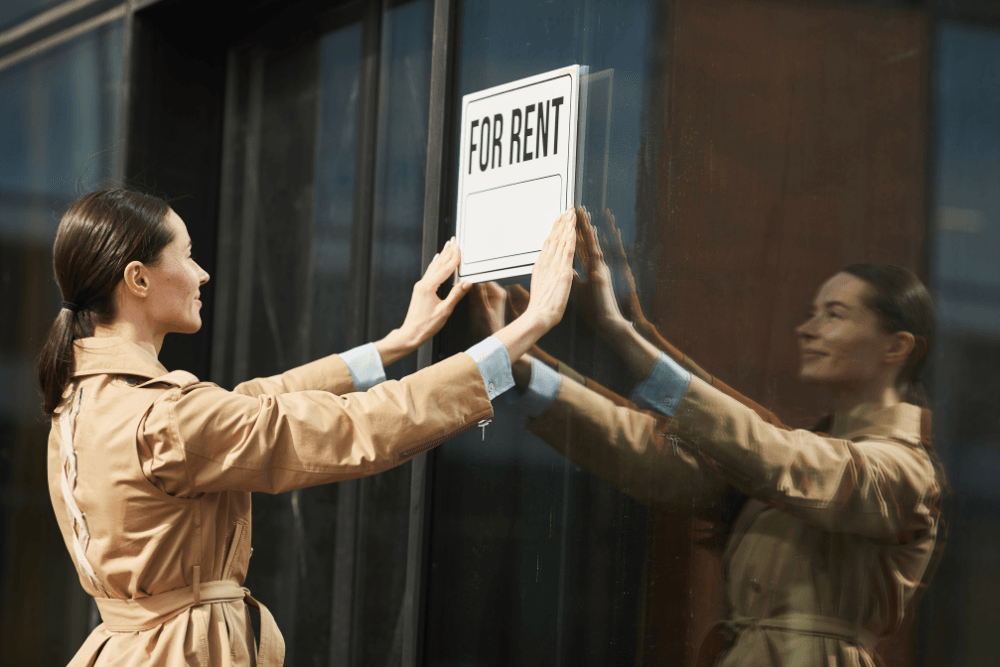
Lessor's Risk Insurance
Get coverage for your rental properties. A lessor’s risk insurance covers financial losses from acts of vandalism, litigation costs for lawsuits, theft of property owned by your tenants, and more.

Product Liability Insurance
Protect your companies from claims made against the goods you provide. This covers injuries caused by malfunctions of products, design defects, and more.
Choose Elemental Risk Management Today
Get a Plan Suited to Your Business
ERM assesses the risks that your company faces, as well as your industry, operations, workforce, and more.
Recover Quickly
With business insurance coverage, you’ll bounce back from adverse events that could have left your business on the brink of bankruptcy.
Avoid Overpaying
Through customized solutions, your business will get adequate coverage without unnecessary costs. We’ll keep premiums cost-effective.
Our Testimonials
Hear from our clients
“We recently changed our business insurance after over 20 years, and we couldn't be happier. We didn't realize how poor the service was, how unresponsive, and slow the service was of our previous carrier. Dax and his team have gone above and beyond to answer every question our business had, to ensure that we had the coverage we needed, and fully understood everything we were getting. Not only did we save money, but we have saved a lot of time with the quick responsiveness of this team. They are exceptional. Would Highly recommend, and provide references."
Laura Harrison
May 2021
"I love working with the ERM crew! They are always super inquisitive and willing to learn/ask questions to provide their clients with the best possible insurance solution. I would definitely recommend them to anyone looking for advice on their current policies and coverage."
Nicole Limpert
May 2021
“Elemental Risk Management has been our insurance agent for 2 years now. They are consistently shopping for us to have the very best quality of coverage, as well as the best rates available. They saved our company over $20,000.00 in premiums our first year doing business with them. They are also quick to respond to any need (COI's, accident reporting, etc.). I recommend the team at ERM very highly!
Ramona Mills
June 2021