Colorado Warehousing & Logistics Centers Insurance
8:30am - 5:00pm Mon-Fri
Will Reply in 15min*
Over 180+ commercial clients covered
100% customer satisfaction guaranteed
Over 10 years of business insurance experience
Colorado's warehouse and
distribution sector has exploded over the past decade, and the insurance questions have grown just as fast. If you're running a fulfillment center near Denver, a
cold storage facility in Colorado Springs, or a
third-party logistics hub along the I-25 corridor, you're sitting on a unique combination of
operational risk, weather exposure, and regulatory requirements that
generic business insurance simply won't cover. Colorado warehousing and logistics centers insurance can be confusing, but understanding your coverage options is the difference between surviving a major loss and shutting your doors. This guide breaks down the specific policies, state requirements, and cost factors that matter most to warehouse operators in this state. We'll cover everything from warehouseman's liability to cyber risk, and we'll show you where Colorado's market differs from the rest of the country. Whether you're renewing an existing program or buying your first commercial policy, the goal here is to give you a clear picture of what you actually need, what you can skip, and where the real coverage gaps tend to hide.
The Evolving Landscape of Colorado Logistics and Risk
Colorado's logistics sector is growing fast, but that growth comes with a shifting risk profile that directly affects your insurance costs and coverage needs. Understanding the local market dynamics helps you buy smarter.
Impact of the Front Range Logistics Boom
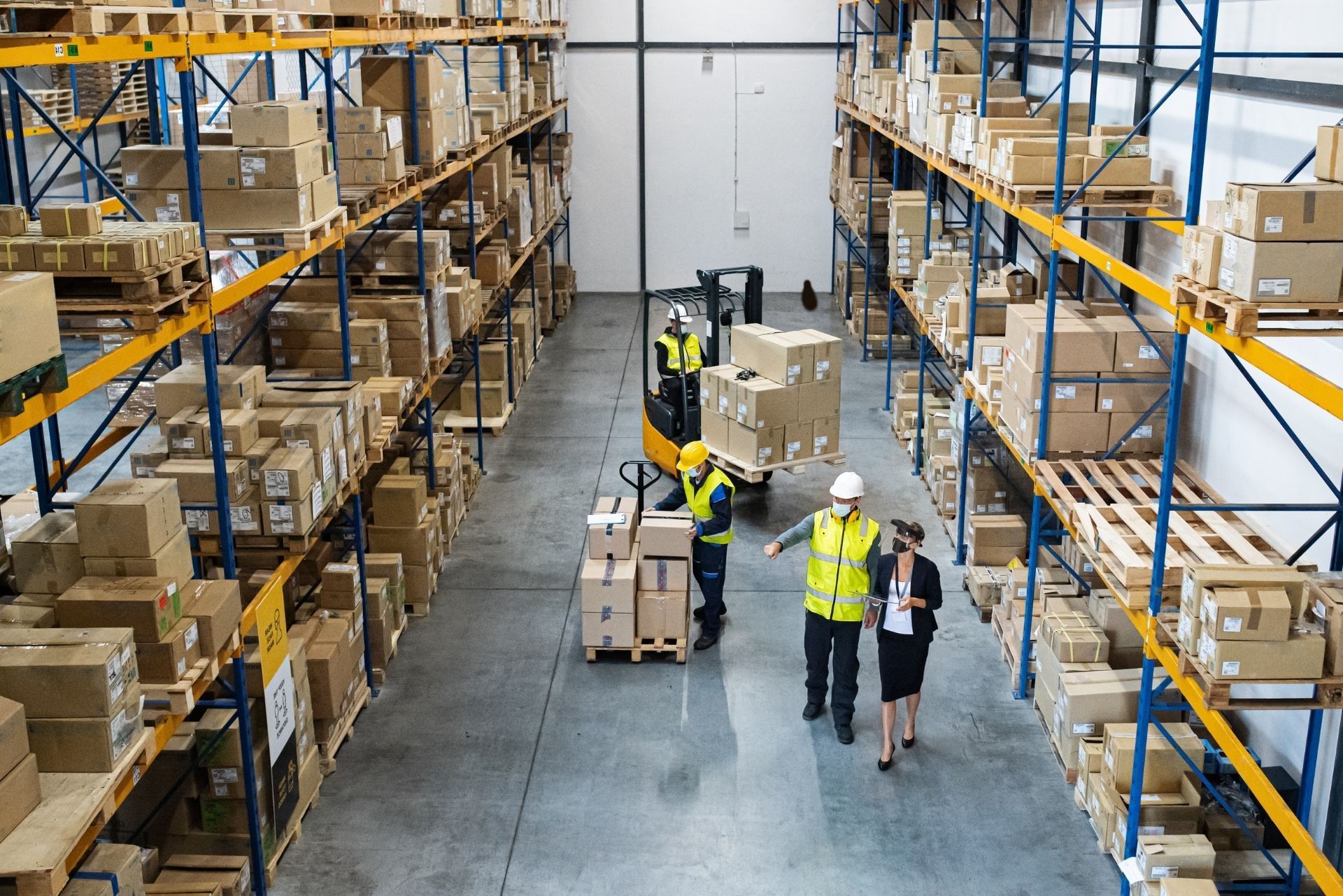
The I-25 corridor between Fort Collins and Pueblo has become one of the hottest distribution markets in the Mountain West. Amazon, FedEx, and dozens of regional 3PL operators have opened massive facilities along the Front Range, driving up property values, labor competition, and insurance exposure. More square footage under roof means more goods in transit, more forklifts in motion, and more slip-and-fall exposure on loading docks.
This boom also means Colorado businesses face above-average insurance costs. General liability coverage in the state costs 19% more than the national average, and warehouse operators typically land on the higher end of that range due to their risk classification. On top of that, Colorado's tariff rate jumped from 3% in 2024 to 21% in 2025, which is increasing the replacement cost of imported goods sitting in your facility. That means your property and cargo coverage limits may need to be adjusted upward just to keep pace.
Regional Environmental Risks: Hail, Wildfires, and Heavy Snow
Colorado's weather is a major factor in insurance pricing. Hail alone accounts for a staggering share of property claims in the state: up to half of homeowners insurance premiums go toward hail and wind damage, and commercial property policies reflect similar pressures. A single severe hailstorm can destroy roofing, skylights, and HVAC units on a 200,000-square-foot warehouse.
Wildfire risk has also expanded into areas that weren't historically considered fire zones. If your facility sits near the urban-wildland interface, expect higher premiums or even difficulty finding coverage. Heavy snow loads in mountain communities present structural concerns, while spring flooding along the South Platte and Arkansas River basins creates additional exposure. These environmental factors make Colorado warehouse insurance distinctly different from what you'd find in, say, Texas or Ohio.

By: Dax Kastrin
Founder and Agent at ERM Insurance
Core Liability Protections for Warehouse Operators
Liability coverage forms the backbone of any warehouse insurance program. Getting this wrong can leave you personally exposed when a customer's goods are damaged or a visitor is injured on your property.
Warehouseman's Legal Liability vs. Bailee's Coverage
These two coverages sound similar but work differently. Warehouseman's legal liability covers you when goods in your care are damaged or destroyed due to your negligence. The key word is negligence: if a forklift operator punctures a pallet of electronics, this policy responds. But if a flood destroys the same goods and you weren't negligent, the claim may be denied.
Bailee's coverage is broader. It protects goods in your custody regardless of fault, covering perils like fire, theft, and certain weather events. For most Colorado warehouse operators, we recommend bailee's coverage because it fills the gaps that warehouseman's legal liability leaves open. The cost difference is usually modest, and the protection is significantly better. A common mistake we see is operators assuming their general liability policy covers stored goods. It doesn't.
General Liability and Premises Security
Your commercial general liability (CGL) policy covers third-party bodily injury and property damage claims. Think: a delivery driver slips on ice outside your loading dock, or a visitor trips over a floor drain. Colorado businesses pay between $30 and $414 monthly for general liability depending on industry risk, and warehousing tends to sit in the middle-to-upper range.
Premises security matters here too. If your facility lacks adequate lighting, cameras, or access controls and someone is assaulted on your property, you could face a negligent security claim. Your CGL policy may cover the judgment, but your premiums will spike at renewal. Investing in security infrastructure pays for itself in both loss prevention and lower insurance costs.
Specialized Property and Cargo Coverages
Beyond liability, warehouse operators need property and cargo policies tailored to how goods move through their facilities. Standard commercial property insurance often falls short.
Inland Marine and Motor Truck Cargo Insurance
Inland marine insurance covers goods in transit over land or temporarily stored at locations that aren't your primary facility. If you're running cross-dock operations or moving inventory between warehouses, this is essential. It fills the gap between your property policy (which covers goods at your location) and the carrier's cargo policy (which may have low limits or restrictive terms).
Motor truck cargo insurance is required if you operate your own fleet. Colorado's commercial auto requirements start at 25/50/15 but can climb to $5 million based on vehicle weight and cargo type. If you're hauling hazardous materials or high-value freight, expect your broker to recommend limits well above the state minimums.
Stock Throughput Policies for End-to-End Protection
A stock throughput policy (STP) is one of the most efficient coverage options for large warehouse operations. It covers goods from the moment they leave the manufacturer through transit, storage, and final delivery, all under a single policy. This eliminates coverage gaps that occur when you're juggling separate property, inland marine, and cargo policies.
STPs are especially valuable if you handle high-value inventory or manage complex supply chains with multiple handoff points. The premium is typically lower than buying each coverage separately, and the claims process is simpler because there's only one insurer involved.
Business Interruption and Supply Chain Contingencies
What happens when a hailstorm tears through your roof and you can't operate for three weeks? Business interruption insurance covers your lost income and ongoing expenses during the downtime. For warehouse operators, this also means covering penalties for missed delivery windows and the cost of rerouting goods to alternative facilities.
Contingent business interruption takes this a step further. If a key supplier or customer suffers a loss that disrupts your operations, this coverage responds. Given the interconnected nature of modern supply chains, this is no longer a luxury policy. It's a practical necessity for any logistics operation with concentrated supplier or customer relationships.
Colorado-Specific Employment and Workforce Requirements
Colorado has specific labor and employment laws that directly affect your insurance obligations. Getting these wrong can result in fines, lawsuits, or both.
Workers' Compensation and Occupational Safety Standards
Colorado requires workers' compensation for virtually every employer, with very few exceptions. Warehouse work is physically demanding, and claims for back injuries, forklift accidents, and repetitive strain are common. Your workers' comp premium is based on your payroll and your experience modification rate (EMR), which reflects your claims history relative to similar businesses.
Here's a scenario that catches operators off guard: you project $500,000 in payroll at the start of the year, but seasonal hiring pushes actual payroll to $750,000. At your premium audit, you'll owe a significant additional premium. Accurate payroll projections and mid-year adjustments prevent these surprises. The Colorado Division of Workers' Compensation oversees compliance, and penalties for operating without coverage are severe.
Employment Practices Liability (EPLI) in the Logistics Sector
EPLI covers claims of wrongful termination, discrimination, harassment, and wage-and-hour violations. Colorado's labor laws tend to be employee-friendly, and the logistics sector's high turnover rate creates frequent opportunities for these claims. A single wrongful termination lawsuit can cost $75,000 to $200,000 in legal fees and settlements, even if the claim lacks merit.
Rising healthcare costs also indirectly affect your total employment risk. As one consulting actuary noted, we're entering a period of
high health care inflation and projected cost increases, which puts pressure on benefits budgets and can lead to disputes with employees over coverage changes. EPLI is a smart investment for any warehouse with more than a handful of employees.
Technological Risks and Cyber Security in Modern Distribution
Modern warehouses run on warehouse management systems (WMS), automated picking technology, and IoT sensors. That technology creates real cyber exposure. A ransomware attack that locks your WMS can halt operations for days, and a data breach exposing customer shipping information triggers notification requirements under Colorado's data privacy laws.
Cyber liability insurance covers breach response costs, business interruption from cyber events, ransomware payments, and regulatory fines. Colorado enacted the Colorado Privacy Act in 2023, which imposes specific obligations on businesses handling personal data. If your facility processes consumer orders with names, addresses, and payment information, you're subject to these requirements. A standalone cyber policy typically costs between $1,000 and $5,000 annually for mid-size operations, and it's one of the fastest-growing coverage lines in the logistics sector.
Insurance costs are rising across the board in Colorado, but there are concrete steps you can take to control your premiums without sacrificing coverage.
Risk Mitigation Through Safety Protocols and Telematics
Insurers reward businesses that actively reduce risk. Here's what moves the needle:
- Install telematics in fleet vehicles to monitor speed, braking, and route compliance
- Implement a formal safety training program with documented completion records
- Maintain fire suppression systems and schedule annual inspections
- Use dock locks, wheel chocks, and trailer restraints to prevent loading accidents
A strong safety record lowers your EMR, which directly reduces workers' comp premiums. Some carriers also offer premium credits for telematics data that demonstrates safe driving patterns.
The Importance of Regular Policy Audits and Asset Valuation
Your insurance program should be reviewed at least once a year, ideally 90 days before renewal. Inventory values fluctuate, equipment gets added or retired, and your operations may have changed in ways that create new exposures or eliminate old ones.
| Audit Focus Area | What to Check | Why It Matters |
|---|---|---|
| Property values | Replacement cost of building and contents | Underinsurance leads to coinsurance penalties |
| Inventory levels | Peak vs. average stock values | Ensures adequate cargo/property limits |
| Payroll projections | Actual vs. estimated payroll | Prevents large audit adjustments |
| Fleet roster | Vehicles added or sold | Keeps auto policy accurate |
| Contractor use | Certificates of insurance on file | Avoids vicarious liability gaps |
Skipping this review is one of the most common and costly mistakes we see among warehouse operators.
Getting the right insurance for a Colorado warehouse or logistics center isn't a one-time decision. It's an ongoing process that should evolve with your business. The combination of weather exposure, rising costs, regulatory requirements, and technological risks makes this state's market particularly complex. Start by requesting quotes from at least three brokers who specialize in logistics and distribution. Ask specifically about warehouseman's liability, stock throughput options, and cyber coverage. Make sure your property valuations reflect current replacement costs, not what you paid five years ago. And schedule that annual policy audit: it's the single most effective way to avoid coverage gaps and premium surprises.
Frequently Asked Questions
Does my landlord's insurance cover goods stored in my leased warehouse? No. Your landlord's policy covers the building structure, not your inventory or operations. You need your own property, cargo, and liability policies.
How much does warehouse insurance cost in Colorado? It varies widely based on square footage, inventory value, and operations. A mid-size facility might pay $15,000 to $50,000 annually across all lines of coverage.
Is workers' compensation required for warehouse temps hired through a staffing agency? The staffing agency typically carries workers' comp for their employees, but you should verify this and get a certificate of insurance. If the agency's coverage lapses, you could be held responsible.
Do I need separate coverage for goods in transit vs. goods in storage? Yes, unless you have a stock throughput policy that covers both. Standard property insurance only covers goods at your listed location.
What's the difference between occurrence and claims-made liability policies?
An occurrence policy covers incidents that happen during the policy period, regardless of when the claim is filed. A claims-made policy only covers claims filed while the policy is active. Most warehouse operators prefer occurrence-based coverage for its broader protection.
About The Author:
Dax Kastrin
As Founder and Agent at ERM Insurance, I’m committed to helping clients understand and manage risk through clear, straightforward coverage solutions. With professional designations as an Accredited Advisor in Insurance (AAI) and Associate in General Insurance (AINS), I focus on delivering dependable protection and personalized service for every individual and business I work with.
Your Business Insurance Solutions

Workers’ Compensation Insurance
Protect your workers from significant financial losses if they are injured or disabled while performing their duties as an employee.

Cyber Liability Insurance
Safeguard your business against financial losses from data breaches, especially those that involve sensitive customer information and other unforeseen cyber events, like cybercrime.

Directors & Officers Liability
Protect your C-suite officers and board members, as well as the companies they represent if they are the subject of a claim or investigation from their duties.

General Liability Insurance
Guard your business against the cost of claims that can be filed due to bodily injury to a third party, damage to third-party property, lawsuits, and more.

Business Owners Insurance
Reduce the cost of premiums by getting a business owner’s insurance, a coverage plan that combines commercial property insurance and general liability insurance.

Commercial Auto Insurance
Guard your business against financial losses from accidents involving company vehicles. Commercial auto insurance provides for bodily injury liability and property damage.

Commercial Property Insurance
Recover from financial losses involving damage to your physical assets, including furniture, physical building, office space, inventory, landscaping and fencing, signage, and more.

Lessor's Risk Insurance
Get coverage for your rental properties. A lessor’s risk insurance covers financial losses from acts of vandalism, litigation costs for lawsuits, theft of property owned by your tenants, and more.

Product Liability Insurance
Protect your companies from claims made against the goods you provide. This covers injuries caused by malfunctions of products, design defects, and more.
Choose Elemental Risk Management Today
Get a Plan Suited to Your Business
ERM assesses the risks that your company faces, as well as your industry, operations, workforce, and more.
Recover Quickly
With business insurance coverage, you’ll bounce back from adverse events that could have left your business on the brink of bankruptcy.
Avoid Overpaying
Through customized solutions, your business will get adequate coverage without unnecessary costs. We’ll keep premiums cost-effective.
Our Testimonials
Hear from our clients
“We recently changed our business insurance after over 20 years, and we couldn't be happier. We didn't realize how poor the service was, how unresponsive, and slow the service was of our previous carrier. Dax and his team have gone above and beyond to answer every question our business had, to ensure that we had the coverage we needed, and fully understood everything we were getting. Not only did we save money, but we have saved a lot of time with the quick responsiveness of this team. They are exceptional. Would Highly recommend, and provide references."
Laura Harrison
May 2021
"I love working with the ERM crew! They are always super inquisitive and willing to learn/ask questions to provide their clients with the best possible insurance solution. I would definitely recommend them to anyone looking for advice on their current policies and coverage."
Nicole Limpert
May 2021
“Elemental Risk Management has been our insurance agent for 2 years now. They are consistently shopping for us to have the very best quality of coverage, as well as the best rates available. They saved our company over $20,000.00 in premiums our first year doing business with them. They are also quick to respond to any need (COI's, accident reporting, etc.). I recommend the team at ERM very highly!
Ramona Mills
June 2021