Asphalt and Paving Contractor Insurance
8:30am - 5:00pm Mon-Fri
Will Reply in 15min*
Over 180+ commercial clients covered
100% customer satisfaction guaranteed
Over 10 years of business insurance experience
A single paving job can put hundreds of thousands of dollars in equipment on a public roadway, expose a crew of ten or more workers to burns from 300°F asphalt, and leave you responsible for every inch of finished surface a client drives on for years. If something goes wrong, a standard business policy won't cover the unique exposures your operation faces. That's why insurance built specifically for asphalt and paving contractors isn't optional: it's the financial backbone of your company.
Premiums aren't getting cheaper, either. General liability costs for contractors in high-risk regions like San Diego have surged 22% year-over-year in early 2026, and the broader construction insurance market is tightening across nearly every line of coverage. Nuclear verdicts, rising material costs, and an uptick in severe weather events are all pushing carriers to reprice risk. If you're running a paving business without the right policies, or without enough coverage, you're betting the company on luck.
This guide breaks down the policies you actually need, the add-ons worth considering, and the practical details that help you buy smarter. Whether you run a two-truck sealcoating crew or a full-scale highway paving operation, the goal is the same: protect your people, your equipment, and your ability to keep bidding on work.
Why Asphalt and Paving Contractors Need Specialized Insurance
Paving work sits at an uncomfortable intersection of heavy equipment, extreme temperatures, public spaces, and tight deadlines. A general contractor's policy might cover a framing crew, but it won't account for the specific ways a paving job can go sideways. Your insurer needs to understand what a screed does, why a hot-mix truck parked on a residential street is a liability magnet, and how a grading error can destroy a $400,000 parking lot.
Specialized coverage also matters for contract compliance. Most municipal and commercial bid packages require specific endorsements, limits, and additional insured language that generic policies can't provide without expensive modifications.
Common Risks in Paving Operations
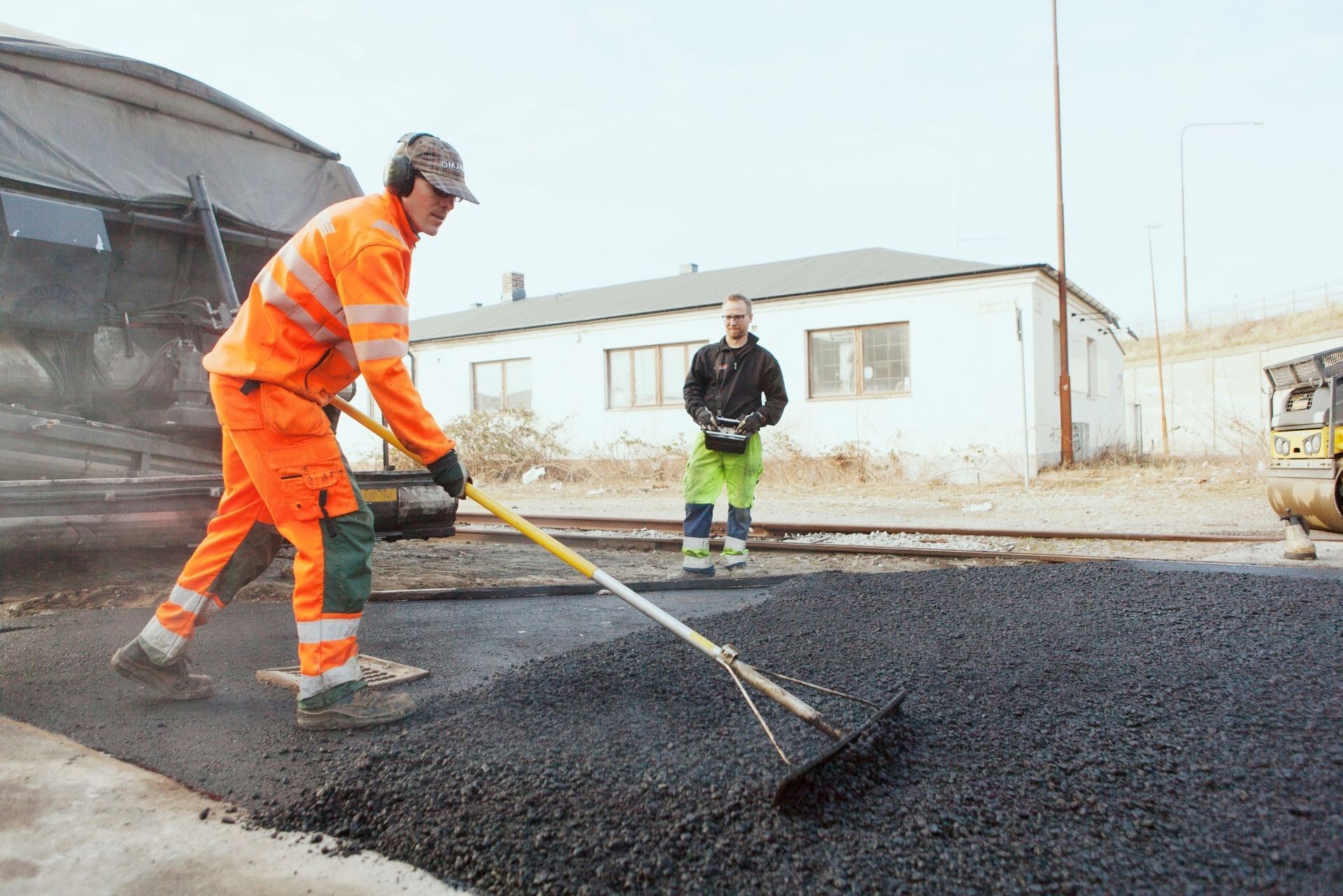
Burns from hot asphalt are the most obvious hazard, but they're far from the only one. Crews work alongside live traffic, operate heavy rollers on soft subgrade near underground utilities, and handle petroleum-based products that can contaminate soil or storm drains. A misaligned grade can send water pooling against a building foundation, triggering a property damage claim months after the job wraps.
Third-party injury claims are another constant threat. Pedestrians, cyclists, and drivers passing through active work zones create exposure that most office-based businesses never face. One struck-by incident can generate a claim well into seven figures.
Protecting Expensive Heavy Machinery
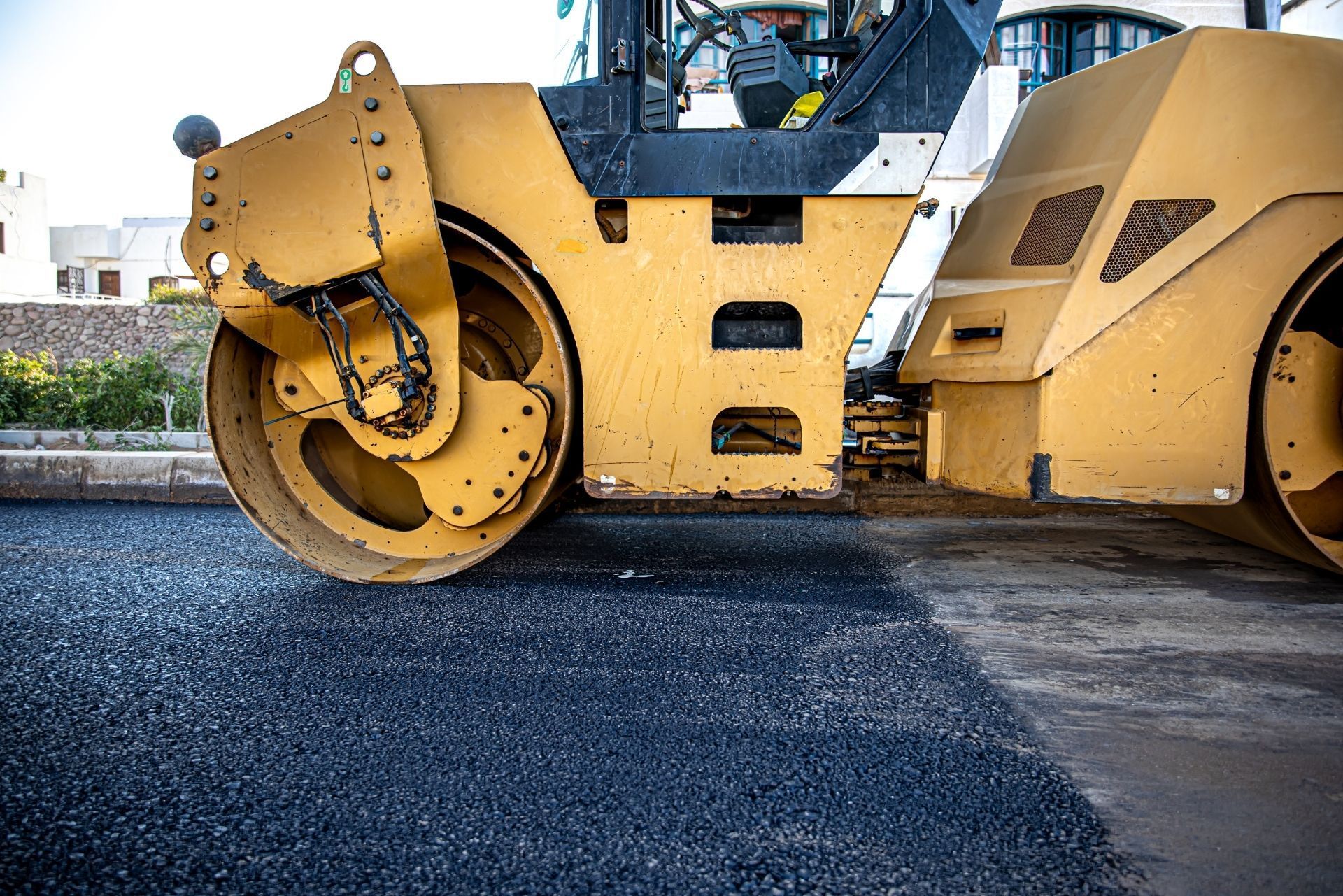
A single asphalt paver can cost $250,000 to $500,000 new. Add a roller, a milling machine, a couple of dump trucks, and a skid steer, and you're looking at a fleet worth over a million dollars. Standard commercial property policies typically exclude mobile equipment used off-premises, which means your most valuable assets might not be covered where they spend most of their time: on the job site.
Equipment breakdown, theft from overnight staging areas, and transport damage are all real risks that require purpose-built coverage.

By: Dax Kastrin
Founder and Agent at ERM Insurance
Core Policies for Every Paving Business
Every paving contractor needs a foundation of three policies before anything else. Think of these as the minimum to legally operate, win contracts, and sleep at night.
General Liability for Property Damage and Injury
Commercial general liability, or CGL, covers third-party bodily injury and property damage claims. If your crew damages a client's irrigation system during grading, or a pedestrian trips over an unmarked trench, CGL responds. Most contracts require $1M per occurrence and $2M aggregate at minimum. The 2026 construction insurance outlook suggests rates will stay firm through the year, so locking in a policy sooner rather than later is smart.
Workers' Compensation for Crew Safety
Workers' comp is mandatory in nearly every state for paving contractors. It covers medical bills and lost wages when an employee is hurt on the job. Paving carries a high experience modification rate because of the burn, strain, and struck-by risks inherent in the work. Accurate payroll reporting matters here: underestimate your numbers, and you'll face a painful premium audit adjustment at year-end.
Commercial Auto and Fleet Coverage
Your dump trucks, material haulers, and crew vehicles need
commercial auto insurance. Personal auto policies exclude vehicles used for business purposes, full stop. If a loaded dump truck rear-ends a car on the way to a job site, your personal policy won't pay a dime. Fleet policies can bundle multiple vehicles under one policy with scheduled equipment and hired/non-owned auto endorsements.
Comparison of Essential Paving Coverages
| Coverage Type | What It Protects | Typical Limits | Required By |
|---|---|---|---|
| General Liability | Third-party injury, property damage | $1M/$2M | Most contracts, leases |
| Workers' Compensation | Employee injuries, lost wages | State statutory limits | State law (most states) |
| Commercial Auto | Owned, hired, non-owned vehicles | $1M combined single limit | State law, contracts |
| Inland Marine | Mobile equipment, tools in transit | Scheduled value per item | Lenders, best practice |
| Umbrella/Excess | Claims exceeding primary limits | $1M-$5M+ | Large commercial bids |
| Pollution Liability | Environmental cleanup, contamination | $1M/$2M | Municipal contracts |
This table gives you a quick snapshot, but every business has different exposures. A residential driveway contractor won't need the same umbrella limits as a firm bidding on DOT highway projects.
Carriers price paving contractor policies based on several factors: annual revenue, payroll, number of employees, fleet size, claims history, and the specific type of paving work you perform. A sealcoating-only operation will typically pay less than a full-service firm that mills, grades, and lays hot mix.
Your experience modification rate, or EMR, plays a major role in workers' comp pricing. An EMR above 1.0 means you've had more claims than average, and your premiums reflect that. Conversely, a strong safety record can push your EMR below 1.0 and save you thousands annually. Typical annual premiums for a small to mid-size paving business range from $5,000 to $15,000 or more depending on the scope of operations and location.
Geography matters too. States with higher litigation costs, more severe weather, or stricter regulatory environments tend to have higher base rates.
Specialized Add-ons for the Asphalt Industry
Beyond core policies, several endorsements and standalone coverages address risks unique to paving work. Skipping these can leave dangerous gaps.
Inland Marine for Mobile Equipment
Inland marine insurance covers equipment and tools while they're in transit or stationed at a job site. Your commercial property policy likely only covers items at your permanent business location. If a $300,000 paver is stolen from an overnight staging area or damaged during transport, inland marine pays for repair or replacement. Schedule your high-value items individually for the best protection.
Pollution Liability for Hot Mix and Chemicals
Hot-mix asphalt, tack coat, diesel fuel, and sealant chemicals all pose contamination risks. A spill into a storm drain or onto a client's property can trigger cleanup costs that general liability policies specifically exclude. Pollution liability fills that gap. Municipal and state DOT contracts increasingly require this coverage as a condition of the bid, and the construction industry trend toward stricter environmental accountability in 2026 makes it harder to skip.
Professional Liability for Design and Grading
If your company provides
grading design, drainage planning, or any advisory services, you're exposed to professional liability claims. A grading plan that causes water to pool against a structure could result in a claim for faulty professional services, something CGL won't cover. Professional liability, sometimes called errors and omissions, protects against these allegations.
What Paving Contractors Ask About Insurance
- How much does insurance for a paving contractor cost? Most small to mid-size operations pay between $5,000 and $15,000 per year for a basic package. Costs rise with revenue, fleet size, and the complexity of work performed.
- Do I need pollution liability if I only do sealcoating? Yes, in most cases. Sealcoat products contain coal tar or asphalt emulsions that can contaminate water and soil. A spill on a commercial property can generate cleanup costs your GL policy won't touch.
- Can I use my personal auto insurance for my work trucks? No. Personal auto policies exclude vehicles used for commercial purposes. Any claim filed while using a personal vehicle for business will almost certainly be denied.
- What's an experience modification rate? Your EMR compares your company's claims history to the industry average. It directly affects your workers' comp premiums. Below 1.0 means fewer claims than average; above 1.0 means more.
- How quickly can I get a certificate of insurance? Most brokers who specialize in contractor insurance can issue a COI within 24 hours of binding a policy. If your broker takes longer than that, it's worth shopping around.
- Does my policy cover subcontractors? Generally, no. Your policy covers your employees and your operations. Subcontractors should carry their own insurance, and you should collect certificates from every sub before they set foot on your job site.
You don't have to accept the first quote you receive. Start by cleaning up your claims history: invest in safety training, enforce PPE requirements, and document everything. A lower EMR translates directly into lower workers' comp costs.
Bundle your policies with a single carrier or broker when possible. Packaging CGL, commercial auto, and inland marine under one program often unlocks multi-policy discounts of 10-15%. Get quotes from at least three brokers, and make sure at least one specializes in construction or paving specifically.
Accurate payroll and revenue projections also help. Overestimate, and you'll overpay upfront. Underestimate, and you'll get hit with a premium audit bill at the end of the policy term. Neither outcome is good for cash flow.
Red Flags to Watch When Choosing a Carrier
Not all insurance carriers understand paving work. Watch for brokers who can't explain the difference between inland marine and commercial property, or who try to sell you a business owner's policy (BOP) as a complete solution. BOPs are designed for low-risk businesses like offices and retail shops: they're rarely adequate for heavy construction.
Be cautious of carriers that take weeks to issue certificates or require excessive documentation for routine endorsements. In paving, you often need a COI with additional insured language within 24-48 hours of winning a bid. A slow carrier can cost you contracts. The
2026 market is seeing tighter underwriting across construction lines, so working with a broker who has strong carrier relationships matters more than ever.
Why Annual Policy Reviews Matter
Your paving business doesn't stay the same year to year, and your insurance shouldn't either. If you've added trucks, hired more crew, expanded into new states, or taken on larger contracts, your coverage needs have changed. An annual review with your broker ensures your limits, endorsements, and scheduled equipment lists are current.
Policy reviews also catch duplicate coverage and outdated endorsements that inflate your premiums. We've seen contractors paying for inland marine on equipment they sold two years earlier simply because no one updated the schedule. Thirty minutes with your broker once a year can save thousands and prevent coverage gaps that only show up during a claim.
How Claims Work for Paving Contractors
When a claim occurs, your first call should be to your broker or carrier's claims line, not to the claimant's attorney. Report incidents immediately, even if you're not sure they'll result in a formal claim. Late reporting is one of the most common reasons carriers deny or reduce payouts.
Document everything at the scene: photos, witness statements, weather conditions, and the status of the work area. For property damage claims, preserve any evidence of the pre-existing condition of the affected area. A well-documented claim file speeds up resolution and protects you if the claimant inflates their damages. Carriers handling construction risks in 2026 are paying closer attention to documentation quality, and thorough records work in your favor.
Making the Right Choice for Your Crew
Insurance for paving contractors isn't a box to check: it's a business decision that affects your ability to bid, hire, and survive a bad day on the job. The right package protects your crew from workplace injuries, shields your company from liability claims, and keeps your equipment covered wherever it goes.
Start with the three core policies: general liability, workers' comp, and commercial auto. Layer on inland marine, pollution liability, and an umbrella policy as your operation grows. Work with a broker who knows construction, get multiple quotes, and review your coverage every year.
Your crew depends on you to keep the business running. The right insurance makes sure one bad claim doesn't shut everything down. If you haven't reviewed your coverage in the past twelve months, now is the time to pick up the phone.
About The Author:
Dax Kastrin
As Founder and Agent at ERM Insurance, I’m committed to helping clients understand and manage risk through clear, straightforward coverage solutions. With professional designations as an Accredited Advisor in Insurance (AAI) and Associate in General Insurance (AINS), I focus on delivering dependable protection and personalized service for every individual and business I work with.
Your Business Insurance Solutions

Workers’ Compensation Insurance
Protect your workers from significant financial losses if they are injured or disabled while performing their duties as an employee.

Cyber Liability Insurance
Safeguard your business against financial losses from data breaches, especially those that involve sensitive customer information and other unforeseen cyber events, like cybercrime.

Directors & Officers Liability
Protect your C-suite officers and board members, as well as the companies they represent if they are the subject of a claim or investigation from their duties.

General Liability Insurance
Guard your business against the cost of claims that can be filed due to bodily injury to a third party, damage to third-party property, lawsuits, and more.

Business Owners Insurance
Reduce the cost of premiums by getting a business owner’s insurance, a coverage plan that combines commercial property insurance and general liability insurance.

Commercial Auto Insurance
Guard your business against financial losses from accidents involving company vehicles. Commercial auto insurance provides for bodily injury liability and property damage.

Commercial Property Insurance
Recover from financial losses involving damage to your physical assets, including furniture, physical building, office space, inventory, landscaping and fencing, signage, and more.

Lessor's Risk Insurance
Get coverage for your rental properties. A lessor’s risk insurance covers financial losses from acts of vandalism, litigation costs for lawsuits, theft of property owned by your tenants, and more.

Product Liability Insurance
Protect your companies from claims made against the goods you provide. This covers injuries caused by malfunctions of products, design defects, and more.
Choose Elemental Risk Management Today
Get a Plan Suited to Your Business
ERM assesses the risks that your company faces, as well as your industry, operations, workforce, and more.
Recover Quickly
With business insurance coverage, you’ll bounce back from adverse events that could have left your business on the brink of bankruptcy.
Avoid Overpaying
Through customized solutions, your business will get adequate coverage without unnecessary costs. We’ll keep premiums cost-effective.
Our Testimonials
Hear from our clients
“We recently changed our business insurance after over 20 years, and we couldn't be happier. We didn't realize how poor the service was, how unresponsive, and slow the service was of our previous carrier. Dax and his team have gone above and beyond to answer every question our business had, to ensure that we had the coverage we needed, and fully understood everything we were getting. Not only did we save money, but we have saved a lot of time with the quick responsiveness of this team. They are exceptional. Would Highly recommend, and provide references."
Laura Harrison
May 2021
"I love working with the ERM crew! They are always super inquisitive and willing to learn/ask questions to provide their clients with the best possible insurance solution. I would definitely recommend them to anyone looking for advice on their current policies and coverage."
Nicole Limpert
May 2021
“Elemental Risk Management has been our insurance agent for 2 years now. They are consistently shopping for us to have the very best quality of coverage, as well as the best rates available. They saved our company over $20,000.00 in premiums our first year doing business with them. They are also quick to respond to any need (COI's, accident reporting, etc.). I recommend the team at ERM very highly!
Ramona Mills
June 2021