Shipping Container Operations Insurance
8:30am - 5:00pm Mon-Fri
Will Reply in 15min*
Over 180+ commercial clients covered
100% customer satisfaction guaranteed
Over 10 years of business insurance experience
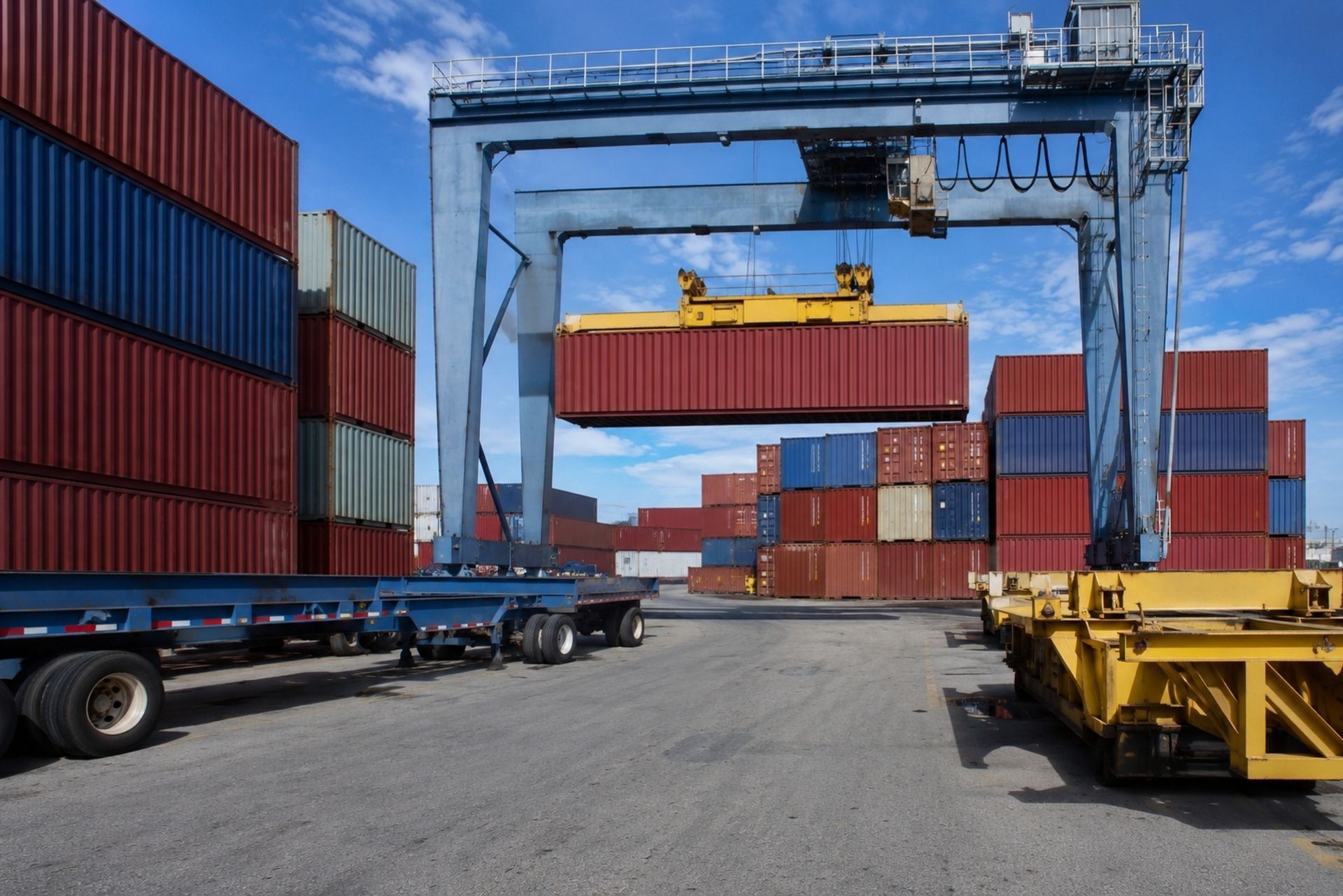
A single container falling from a chassis during a yard transfer can cause $50,000 in damage before anyone has time to react. Stack that on top of cargo claims,
environmental cleanup costs, and third-party injuries, and you're looking at the kind of exposure that can sink a small operation overnight. Insurance for
container operations isn't a luxury line item; it's the financial backbone that keeps your business running after something goes wrong. Whether you're managing a container depot, running intermodal freight, or leasing units across state lines, understanding your coverage options and what they'll cost is the difference between a manageable setback and a catastrophic loss. This guide breaks down the core policies, pricing factors, and specialized endorsements you need to know before your next renewal.
Core Coverage Types for Container Operations
Container businesses face a unique mix of risks that don't fit neatly into a single policy. You're dealing with heavy equipment, valuable cargo, environmental hazards, and constant movement between jurisdictions. That means you'll typically need to layer several policies together to close all your coverage gaps.
General Liability and Property Damage
General liability is your first line of defense against third-party claims. If a visitor trips over a twist lock in your yard, or a container door swings open and strikes a dock worker from another company, this policy responds. Most operations carry at least $1M per occurrence and $2M aggregate, though landlords and port authorities often require higher limits.
Property damage coverage protects your own assets: your yard, office, equipment, and the containers themselves if you own them. One mistake we see frequently is operators assuming their property policy covers containers in transit. It usually doesn't. Containers sitting in your yard are covered, but the moment they're loaded onto a truck or railcar, you've entered a different risk category entirely.
Logistics and Cargo Legal Liability
If you're responsible for goods while they're inside your containers, cargo legal liability is non-negotiable. This policy covers the value of freight that's damaged, destroyed, or lost while in your care, custody, or control. Freight forwarders face particular exposure here, and premiums for forwarder liability coverage can range from $1,200 to over $10,000 annually depending on the commodities handled and annual revenue.
A common gap: assuming your customer's cargo insurance will always apply. Many shippers carry minimal coverage or none at all, and when a claim hits, they'll look to you first.
Pollution and Environmental Risk
Container operations involve diesel equipment, refrigerant gases from reefer units, and occasionally hazardous cargo. A reefer unit leaking refrigerant or a container releasing chemical residue can trigger environmental cleanup obligations that run into six figures. Standard general liability policies almost always exclude pollution events, so you'll need a separate environmental liability endorsement or standalone policy. The 2026 insurance market is paying close attention to these risks, with
new environmental regulations and ESG-related scrutiny pushing premiums higher for operations that can't demonstrate strong containment protocols.

By: Dax Kastrin
Founder and Agent at ERM Insurance
Comparing Container Insurance Tiers
Not every operation needs the same level of protection. A small depot leasing 50 containers locally has a very different risk profile than a logistics company moving thousands of units through international ports. The tier you choose should match your actual exposure, not just your budget.
Comparison Chart: Standard vs. Comprehensive Protection
| Coverage Feature | Standard Tier | Comprehensive Tier |
|---|---|---|
| General Liability | $1M/$2M limits | $2M/$5M+ limits |
| Container Physical Damage | Named perils only | All-risk coverage |
| Cargo Legal Liability | Up to $100K per container | Up to $500K+ per container |
| Pollution Liability | Excluded | Included with sub-limits |
| Business Interruption | Not included | Included |
| Intermodal Equipment | Limited or excluded | Full coverage on/off chassis |
| Annual Premium Range | $2,500 - $8,000 | $10,000 - $50,000+ |
The standard tier works for small, localized operations with low cargo values. Once you're handling high-value goods, operating across multiple states, or working with port authorities that mandate higher limits, you'll need comprehensive protection.
Your premium isn't pulled from thin air. Underwriters evaluate a specific set of variables to calculate your rate, and understanding these factors gives you real negotiating power at renewal time.
Volume and Type of Cargo Handled
An operation moving 200 containers of dry goods per month pays far less than one handling 200 containers of electronics or pharmaceuticals. Cargo value directly affects your cargo liability premium because the insurer's maximum payout per claim is higher. Hazardous materials, temperature-sensitive goods, and high-theft commodities like alcohol or consumer electronics all push rates up. Typical cargo insurance costs start around $400 to $600 per truck annually for basic coverage, but container operations with high-value freight can see those numbers multiply quickly.
Geographic Scope and Transit Routes
Moving containers between two domestic depots in the Midwest is a very different risk than shipping through hurricane-prone Gulf Coast ports or transiting high-piracy zones internationally. Underwriters price for weather exposure, theft rates by region, and the regulatory environment of each jurisdiction you touch. International routes add marine perils, customs complications, and the potential for containers to sit in foreign ports where your control over security is limited.
Claims History and Risk Mitigation Measures
Your loss history over the past three to five years is the single biggest factor in your renewal pricing. A clean record earns you preferred rates. Two or three large claims can push you into surplus lines markets where premiums are significantly higher. Container shipowners are already facing a 15% increase in P&I reinsurance rates for the 2026-27 policy year, so a poor claims history on top of market hardening can make coverage painfully expensive.
On the flip side, documented risk mitigation measures, like GPS tracking on containers, security cameras in your yard, regular equipment inspections, and employee safety training, can earn you meaningful discounts. Bring this documentation to your broker before renewal; don't wait for the underwriter to ask.
Specialized Endorsements for Unique Risks
Standard policies leave gaps that can cost you dearly if you don't address them with targeted endorsements. These add-ons are where experienced operators distinguish themselves from newcomers who learn about coverage gaps the hard way.
Intermodal Equipment Coverage
Containers don't just sit in yards. They ride on chassis, get loaded onto railcars, and transfer between trucks and vessels. Intermodal equipment coverage protects the container and chassis during these transitions, which is exactly when damage most often occurs. Think about a chassis with worn tires blowing out on the highway and dragging a container across the guardrail. Without this endorsement, you could be looking at $15,000 to $30,000 in uninsured repairs.
If you're using interchange agreements with trucking companies, pay close attention to who bears risk during each leg. The interchange agreement may say one thing, but your insurance policy needs to match.
Errors and Omissions for Freight Forwarders
Freight forwarders face professional liability exposure that general liability doesn't touch. If you book the wrong sailing, misclassify cargo on customs documents, or fail to arrange proper insurance for a client's shipment, you could be sued for the resulting financial loss. Errors and omissions (E&O) coverage responds to these claims. The marine insurance market in 2026 is tightening across most lines, making it even more important to secure E&O coverage before capacity shrinks further.
E&O premiums for forwarders typically run between $1,500 and $7,000 annually, depending on your revenue, the volume of shipments you arrange, and whether you handle any government or military freight.
Common Questions About Container Insurance
FAQ: Do I need insurance if I only lease containers?
You're not off the hook just because you don't own the containers. Lease agreements almost always make you responsible for damage while the unit is in your possession. A specialized physical damage policy protects you from repair bills that can run $3,000 to $8,000 per incident, or full replacement costs exceeding $25,000 for a new unit.
FAQ: Does general liability cover the goods inside the container?
No. General liability responds to third-party bodily injury and property damage claims, not cargo loss. You need a separate cargo liability policy to cover the value of goods being transported or stored. This is one of the most common misunderstandings we encounter with new operators.
FAQ: How much does a basic policy cost per year?
Costs vary widely based on your operation's size and risk profile. Small operations with limited volume might see premiums starting around $2,500 to $5,000 annually for a basic package. Larger fleets handling high-value cargo across multiple states or internationally will need custom quotes that can reach $50,000 or more.
FAQ: What happens if a container is lost at sea?
With all-risk coverage, your policy generally pays for the total loss of both the container and its contents, minus your deductible. Without it, you may only be covered for specifically named perils like fire, sinking, or collision. "All-risk" doesn't literally mean every risk is covered, so read your exclusions carefully.
The Bottom Line for Your Business
Insurance for shipping container operations isn't a one-size-fits-all purchase. Your coverage needs to reflect the specific risks you face: the cargo you handle, the routes you use, the equipment you own or lease, and the contracts you sign with partners and customers. Getting this wrong means either overpaying for coverage you don't need or, worse, discovering a gap when a six-figure claim lands on your desk.
Start by auditing your current policies against the coverage types outlined above. Identify where your gaps are, especially around intermodal equipment, pollution liability, and cargo legal liability. Then bring that analysis to a broker who specializes in transportation and logistics, not a generalist who writes mostly auto and homeowners policies.
With reinsurance rates climbing and underwriters scrutinizing container operations more closely than ever, the best time to lock in competitive coverage is before your next loss, not after. Get quotes from at least three specialists, compare not just price but coverage terms, and review your policies annually as your operation grows.
About The Author:
Dax Kastrin
As Founder and Agent at ERM Insurance, I’m committed to helping clients understand and manage risk through clear, straightforward coverage solutions. With professional designations as an Accredited Advisor in Insurance (AAI) and Associate in General Insurance (AINS), I focus on delivering dependable protection and personalized service for every individual and business I work with.
Your Business Insurance Solutions

Workers’ Compensation Insurance
Protect your workers from significant financial losses if they are injured or disabled while performing their duties as an employee.

Cyber Liability Insurance
Safeguard your business against financial losses from data breaches, especially those that involve sensitive customer information and other unforeseen cyber events, like cybercrime.

Directors & Officers Liability
Protect your C-suite officers and board members, as well as the companies they represent if they are the subject of a claim or investigation from their duties.

General Liability Insurance
Guard your business against the cost of claims that can be filed due to bodily injury to a third party, damage to third-party property, lawsuits, and more.

Business Owners Insurance
Reduce the cost of premiums by getting a business owner’s insurance, a coverage plan that combines commercial property insurance and general liability insurance.

Commercial Auto Insurance
Guard your business against financial losses from accidents involving company vehicles. Commercial auto insurance provides for bodily injury liability and property damage.

Commercial Property Insurance
Recover from financial losses involving damage to your physical assets, including furniture, physical building, office space, inventory, landscaping and fencing, signage, and more.

Lessor's Risk Insurance
Get coverage for your rental properties. A lessor’s risk insurance covers financial losses from acts of vandalism, litigation costs for lawsuits, theft of property owned by your tenants, and more.

Product Liability Insurance
Protect your companies from claims made against the goods you provide. This covers injuries caused by malfunctions of products, design defects, and more.
Choose Elemental Risk Management Today
Get a Plan Suited to Your Business
ERM assesses the risks that your company faces, as well as your industry, operations, workforce, and more.
Recover Quickly
With business insurance coverage, you’ll bounce back from adverse events that could have left your business on the brink of bankruptcy.
Avoid Overpaying
Through customized solutions, your business will get adequate coverage without unnecessary costs. We’ll keep premiums cost-effective.
Our Testimonials
Hear from our clients
“We recently changed our business insurance after over 20 years, and we couldn't be happier. We didn't realize how poor the service was, how unresponsive, and slow the service was of our previous carrier. Dax and his team have gone above and beyond to answer every question our business had, to ensure that we had the coverage we needed, and fully understood everything we were getting. Not only did we save money, but we have saved a lot of time with the quick responsiveness of this team. They are exceptional. Would Highly recommend, and provide references."
Laura Harrison
May 2021
"I love working with the ERM crew! They are always super inquisitive and willing to learn/ask questions to provide their clients with the best possible insurance solution. I would definitely recommend them to anyone looking for advice on their current policies and coverage."
Nicole Limpert
May 2021
“Elemental Risk Management has been our insurance agent for 2 years now. They are consistently shopping for us to have the very best quality of coverage, as well as the best rates available. They saved our company over $20,000.00 in premiums our first year doing business with them. They are also quick to respond to any need (COI's, accident reporting, etc.). I recommend the team at ERM very highly!
Ramona Mills
June 2021