Connecticut NEMT Insurance
8:30am - 5:00pm Mon-Fri
Will Reply in 15min*
Over 180+ commercial clients covered
100% customer satisfaction guaranteed
Over 10 years of business insurance experience
Running a non-emergency medical transport operation in Connecticut means carrying the right insurance before your first wheelchair van ever leaves the lot. Between state DOT requirements, Medicaid compliance rules, and the unique risks of transporting medically fragile passengers, the
cost and coverage details for NEMT insurance in Connecticut can get complicated fast. Most new providers underestimate what they need, and that gap between assumption and reality is where costly mistakes happen. Whether you're launching a single-vehicle operation or expanding an established fleet, understanding exactly what your policies should cover, what the state demands, and what drives your premiums up or down will save you from nasty surprises. This guide breaks down the specific insurance requirements, coverage types, cost factors, and common questions that Connecticut NEMT operators face in 2026.
Understanding NEMT Insurance Requirements in Connecticut
Connecticut holds NEMT providers to a higher standard than most general transportation companies. The state treats medical transport as a healthcare-adjacent service, which means your insurance obligations go beyond a standard commercial auto policy. You're not just moving people from point A to point B; you're transporting individuals with medical conditions who may be wheelchair-bound, on oxygen, or recovering from surgery. That elevated duty of care translates directly into stricter insurance mandates.
The Connecticut Department of Transportation and the Department of Social Services both play roles in oversight, depending on whether you're serving private-pay clients, Medicaid beneficiaries, or both. Getting licensed without the proper insurance documentation isn't possible, and operating without it can result in fines, contract termination, or worse.
State-Mandated Minimum Liability Limits
Connecticut requires commercial auto liability coverage for all NEMT vehicles, but the minimums depend on your vehicle capacity. For vehicles carrying fewer than eight passengers, the state typically requires at least $1,500,000 in combined single-limit liability. Larger vehicles or those under federal DOT jurisdiction may need higher limits.
Don't confuse these with personal auto minimums. Connecticut's personal auto requirement is $25,000/$50,000 for bodily injury, which wouldn't come close to covering a claim involving an injured patient. Your commercial policy must name the state as a certificate holder in many cases, and lapses in coverage get reported automatically. One gap in coverage can shut your operation down within days.
DOT and DSS Compliance for Providers
If you're contracting with Connecticut's Medicaid program, the Department of Social Services has its own layer of requirements. Providers must maintain proof of insurance on file, and DSS audits can request documentation at any time. Your vehicles also need to meet DOT inspection standards, and the insurance certificates must match the specific VINs registered to your operation.
Here's where it gets tricky: the Covered CT program provides
$0-cost non-emergency medical transportation for Connecticut residents with household incomes up to 175% of the federal poverty level. If you're a provider serving these beneficiaries, your contracts will specify exact insurance thresholds. Falling below them, even briefly, can disqualify you from the program.

By: Dax Kastrin
Founder and Agent at ERM Insurance
Essential Coverage Types for Non-Emergency Medical Transport
A single commercial auto policy won't protect your NEMT business from every risk you'll face. The nature of the work, physically assisting passengers, operating specialized equipment, entering private homes and medical facilities, creates exposure on multiple fronts. You need a layered insurance strategy that covers both on-road and off-road risks.
Think about it this way: your driver helps a dialysis patient into a wheelchair van, secures the chair with a four-point tie-down system, drives 22 miles to a clinic, and assists the patient back out. In that single trip, you've got commercial auto exposure, professional liability exposure for the securement process, and general liability exposure at the pickup and drop-off locations.
Commercial Auto and Physical Damage
Your commercial auto policy is the foundation. It covers bodily injury and property damage caused by your vehicles while in operation. In Connecticut, this policy must be written specifically for livery or medical transport use; a standard business auto form won't satisfy regulators.
Physical damage coverage, which includes comprehensive and collision, protects your vehicles themselves. This matters because NEMT vehicles aren't cheap. A properly equipped wheelchair-accessible van can cost $50,000 to $85,000. If one of your vehicles gets totaled without physical damage coverage, you're absorbing that loss entirely out of pocket. Most lenders will require this coverage anyway if you've financed your fleet.
General Liability vs. Professional Liability
General liability covers third-party bodily injury and property damage that occurs outside of vehicle operation. Picture your driver slipping on an icy walkway while assisting a patient to the door and accidentally dropping the patient. That claim falls under general liability, not auto.
Professional liability, sometimes called errors and omissions or malpractice coverage in medical transport contexts, covers claims related to the professional service itself. If a patient alleges that improper securement caused an injury, or that your driver failed to follow a
care plan, that's a professional liability claim. Many Connecticut NEMT operators carry $1,000,000/$2,000,000 in general liability and a separate professional liability policy. Skipping either one leaves a real gap.
Comparing Coverage: Basic vs. Comprehensive Packages
Not every NEMT operator needs the same level of coverage, but every operator needs more than the bare minimum. The difference between a basic and comprehensive package often comes down to whether you're covered for the scenarios that actually happen, not just the ones the state requires you to plan for.
A basic package typically satisfies state licensing requirements and not much else. A comprehensive package adds the protections that keep your business solvent after a serious claim. The cost difference between the two is often smaller than people expect, especially when you consider that a single uncovered claim can easily exceed $100,000.
Coverage Comparison Table
| Coverage Type | Basic Package | Comprehensive Package |
|---|---|---|
| Commercial Auto Liability | $1,500,000 CSL | $1,500,000+ CSL |
| Physical Damage (Comp/Collision) | Not included | Included per vehicle |
| General Liability | $500,000/$1,000,000 | $1,000,000/$2,000,000 |
| Professional Liability | Not included | $1,000,000/$2,000,000 |
| Hired & Non-Owned Auto | Not included | Included |
| Medical Payments (MedPay) | $5,000 per person | $10,000-$25,000 per person |
| Uninsured/Underinsured Motorist | State minimum | Higher limits available |
| Workers' Compensation | Required if employees | Required if employees |
The hired and non-owned auto coverage in a comprehensive package is worth highlighting. If a driver ever uses a personal vehicle for any business purpose, even picking up supplies, your standard commercial auto policy won't cover an accident in that vehicle. Hired and non-owned auto fills that gap.
Your annual premium for Connecticut NEMT insurance depends on a mix of factors, some you can control and some you can't. A small operator with two vehicles might pay $8,000 to $14,000 per year for commercial auto alone, while a ten-vehicle fleet could see premiums ranging from $40,000 to $75,000 or more. Those numbers shift based on several variables.
Geography plays a role too. Operating primarily in Hartford, Bridgeport, or New Haven means higher premiums than running routes in rural Litchfield County. Urban areas have more traffic, more accidents, and more expensive claims. Insurers price accordingly.
Vehicle Type and Special Equipment
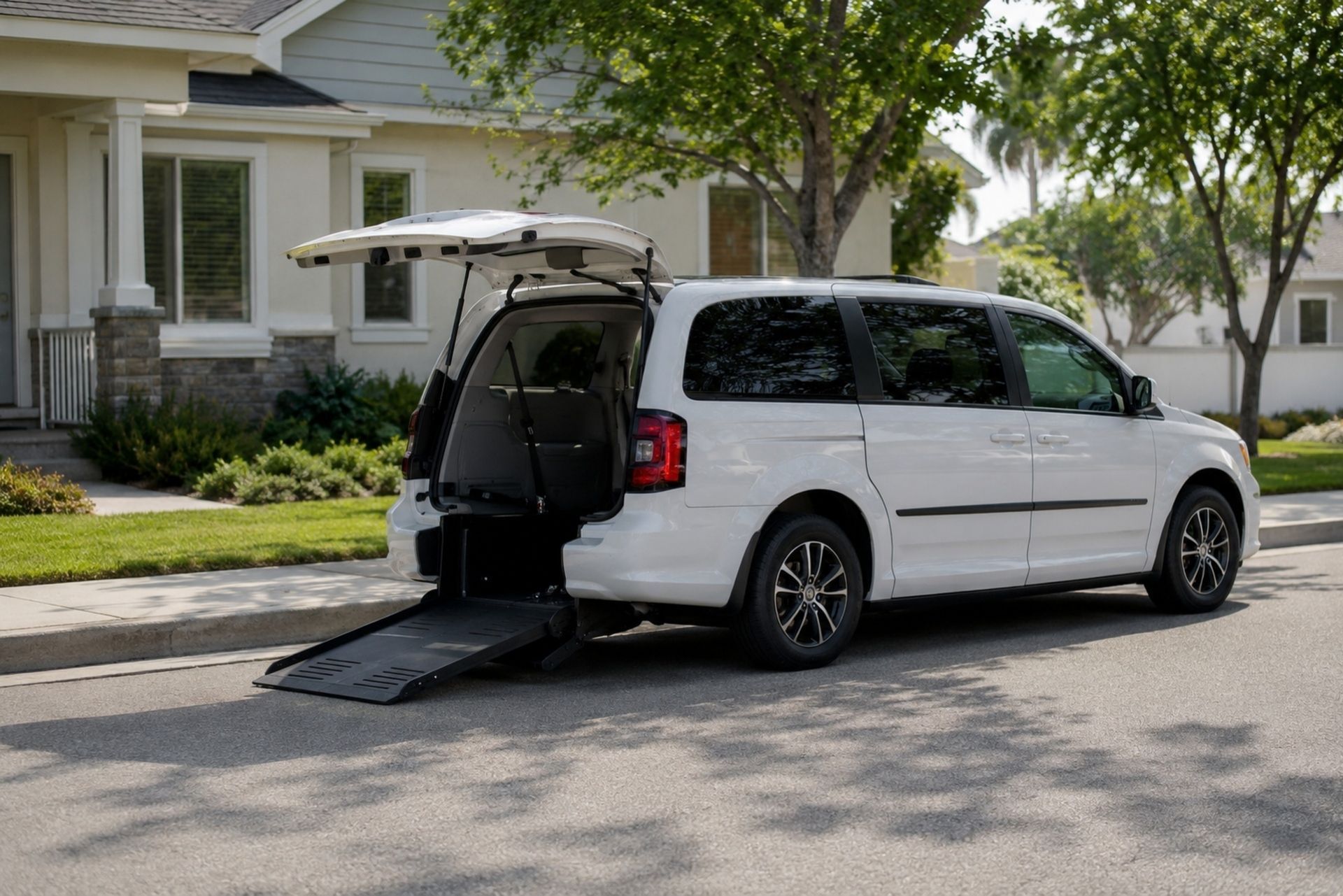
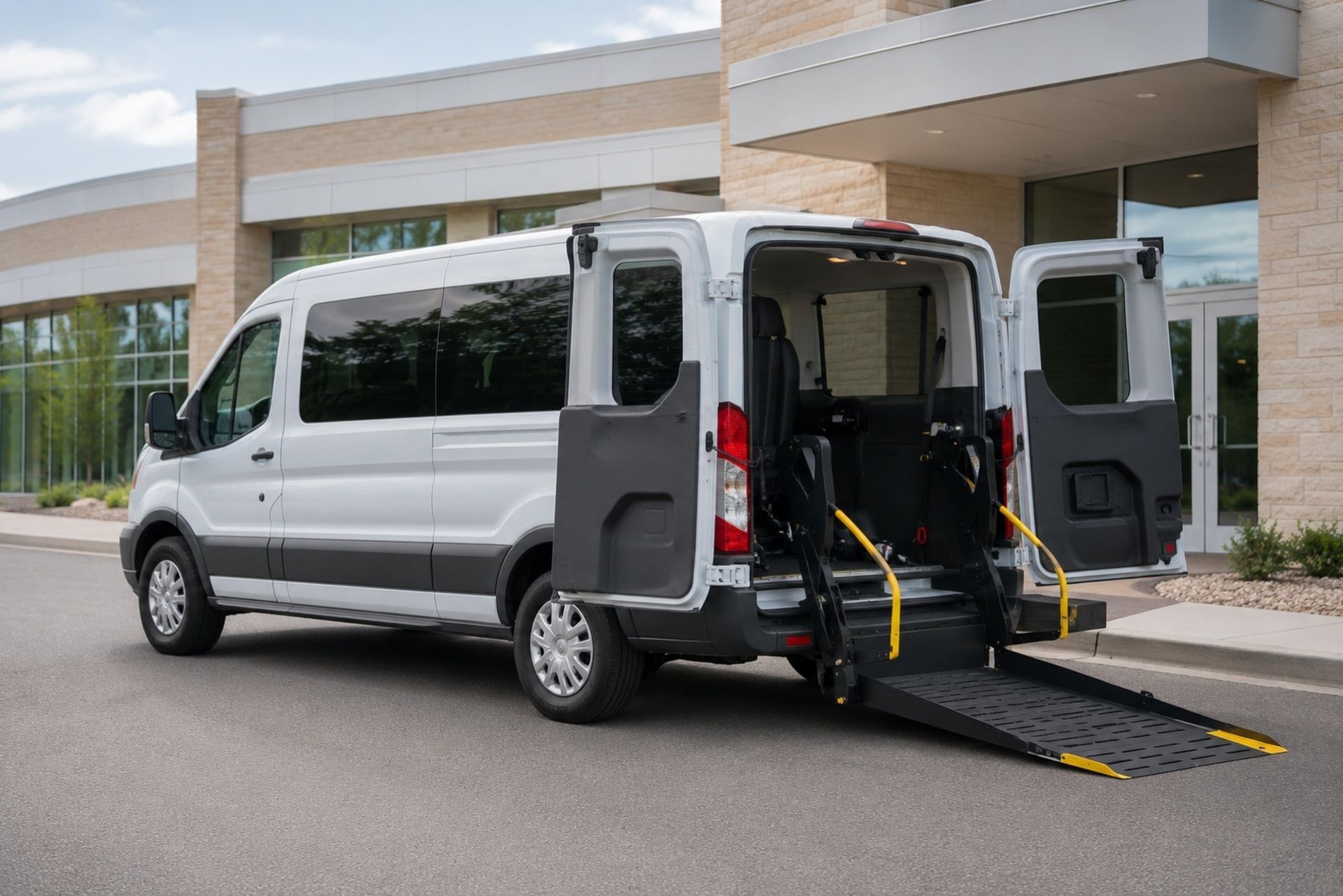
Wheelchair-accessible vehicles cost more to insure than standard sedans or minivans. The reasons are straightforward: they're more expensive to repair, they carry higher-risk passengers, and the specialized equipment (ramps, lifts, securement systems) adds both value and liability exposure.
If your fleet includes stretcher vans, expect even higher premiums. Stretcher transport involves patients who are often more medically fragile, which increases the severity of potential claims. A fleet of sedans doing
ambulatory transport will always be cheaper to insure than a mixed fleet with wheelchair and stretcher vehicles. That said, stretcher and wheelchair transport typically commands higher reimbursement rates, so the insurance cost is part of a larger revenue equation.
Driver History and Experience Levels
Insurers scrutinize your drivers' motor vehicle records closely. A clean MVR with no accidents or violations in the past three to five years is the gold standard. Each at-fault accident or moving violation on a driver's record can increase your per-vehicle premium by 10% to 25%.
Experience matters beyond just driving history. Insurers look favorably on drivers who hold passenger endorsements, have completed defensive driving courses, or have prior NEMT experience. If you're hiring drivers fresh out of CDL school with no medical transport background, your underwriter will factor that into your rate. Some carriers won't even quote a policy if more than 20% of your drivers have recent violations.
Common Questions About Connecticut NEMT Insurance
Insurance questions from NEMT operators tend to follow predictable patterns. The answers, though, aren't always as simple as providers hope. Here are the questions we hear most often from Connecticut operators.
Frequently Asked Questions
Does my personal auto insurance cover me if I use my car for NEMT trips? No. Personal auto policies exclude commercial livery use. If you're transporting passengers for compensation, your personal insurer can deny any claim and potentially cancel your policy. You need a commercial auto policy rated for medical transport.
How quickly can I get proof of insurance for my DSS application? Most commercial insurance agents can issue certificates of insurance within 24 to 48 hours of binding a policy. If you're working with a broker experienced in NEMT, they'll know exactly what DSS and DOT require on the certificate.
Is workers' compensation required for NEMT companies in Connecticut? Yes, if you have employees. Connecticut mandates workers' comp for nearly all employers. Independent contractor arrangements don't eliminate this requirement if the state determines your drivers are misclassified. The penalties for operating without workers' comp include fines up to $50,000 and potential criminal charges.
Can I bundle my NEMT policies to save money? Often, yes. Many carriers offer package policies that combine commercial auto, general liability, and hired/non-owned auto. Bundling can reduce your total premium by 10% to 15% compared to purchasing each policy separately. Not every carrier writes NEMT, though, so your options may be limited.
What happens if my insurance lapses while I'm under a Medicaid contract? The carrier notifies the state, and your provider agreement can be suspended or terminated. Reinstatement isn't guaranteed. Even a one-day lapse creates a gap that some insurers won't backdate, leaving you exposed and potentially locked out of the program.
Do I need coverage for passenger belongings like wheelchairs or oxygen equipment? Your standard commercial auto policy likely doesn't cover passenger property. If a patient's personal wheelchair is damaged during transport, you could be liable. Some policies offer endorsements for passenger property, or your general liability policy may cover it depending on the circumstances.
Making the Right Choice for Your Fleet
Getting NEMT insurance right in Connecticut isn't just about checking boxes for regulators. It's about building a coverage structure that actually protects your business when something goes wrong, because in medical transport, the stakes are higher than in most industries. Your passengers are vulnerable, your vehicles are expensive, and a single serious claim can threaten everything you've built.
Start by getting quotes from at least three agents or brokers who specialize in medical transportation. Generic commercial auto brokers often miss NEMT-specific exposures. Ask each one to explain what's covered and, just as important, what's excluded. Compare the packages side by side using the coverage categories we've outlined here.
Review your policies annually. Your fleet size, service area, driver roster, and contract requirements change over time, and your insurance should keep pace. Connecticut residents with lower incomes can access NEMT through programs like Covered CT, which means demand for qualified providers remains strong heading into 2026 and beyond. The operators who thrive are the ones who treat insurance as a core business investment, not an afterthought. Get your coverage right, keep your documentation current, and you'll be positioned to grow with confidence.
About The Author:
Dax Kastrin
As Founder and Agent at ERM Insurance, I’m committed to helping clients understand and manage risk through clear, straightforward coverage solutions. With professional designations as an Accredited Advisor in Insurance (AAI) and Associate in General Insurance (AINS), I focus on delivering dependable protection and personalized service for every individual and business I work with.
Your Business Insurance Solutions

Workers’ Compensation Insurance
Protect your workers from significant financial losses if they are injured or disabled while performing their duties as an employee.

Cyber Liability Insurance
Safeguard your business against financial losses from data breaches, especially those that involve sensitive customer information and other unforeseen cyber events, like cybercrime.

Directors & Officers Liability
Protect your C-suite officers and board members, as well as the companies they represent if they are the subject of a claim or investigation from their duties.

General Liability Insurance
Guard your business against the cost of claims that can be filed due to bodily injury to a third party, damage to third-party property, lawsuits, and more.

Business Owners Insurance
Reduce the cost of premiums by getting a business owner’s insurance, a coverage plan that combines commercial property insurance and general liability insurance.

Commercial Auto Insurance
Guard your business against financial losses from accidents involving company vehicles. Commercial auto insurance provides for bodily injury liability and property damage.

Commercial Property Insurance
Recover from financial losses involving damage to your physical assets, including furniture, physical building, office space, inventory, landscaping and fencing, signage, and more.

Lessor's Risk Insurance
Get coverage for your rental properties. A lessor’s risk insurance covers financial losses from acts of vandalism, litigation costs for lawsuits, theft of property owned by your tenants, and more.

Product Liability Insurance
Protect your companies from claims made against the goods you provide. This covers injuries caused by malfunctions of products, design defects, and more.
Choose Elemental Risk Management Today
Get a Plan Suited to Your Business
ERM assesses the risks that your company faces, as well as your industry, operations, workforce, and more.
Recover Quickly
With business insurance coverage, you’ll bounce back from adverse events that could have left your business on the brink of bankruptcy.
Avoid Overpaying
Through customized solutions, your business will get adequate coverage without unnecessary costs. We’ll keep premiums cost-effective.
Our Testimonials
Hear from our clients
“We recently changed our business insurance after over 20 years, and we couldn't be happier. We didn't realize how poor the service was, how unresponsive, and slow the service was of our previous carrier. Dax and his team have gone above and beyond to answer every question our business had, to ensure that we had the coverage we needed, and fully understood everything we were getting. Not only did we save money, but we have saved a lot of time with the quick responsiveness of this team. They are exceptional. Would Highly recommend, and provide references."
Laura Harrison
May 2021
"I love working with the ERM crew! They are always super inquisitive and willing to learn/ask questions to provide their clients with the best possible insurance solution. I would definitely recommend them to anyone looking for advice on their current policies and coverage."
Nicole Limpert
May 2021
“Elemental Risk Management has been our insurance agent for 2 years now. They are consistently shopping for us to have the very best quality of coverage, as well as the best rates available. They saved our company over $20,000.00 in premiums our first year doing business with them. They are also quick to respond to any need (COI's, accident reporting, etc.). I recommend the team at ERM very highly!
Ramona Mills
June 2021