Texas Solar Farm Insurance
8:30am - 5:00pm Mon-Fri
Will Reply in 15min*
Over 180+ commercial clients covered
100% customer satisfaction guaranteed
Over 10 years of business insurance experience
Texas sits at the intersection of abundant sunshine and some of the most destructive weather patterns in the country. That combination makes it one of the best states for solar energy production and one of the most expensive to insure. If you own or operate a solar farm here, you already know the sky can shift from clear to catastrophic in under an hour. Hailstones the size of softballs, ice storms that cripple the grid for days, and wildfire smoke that chokes production are all part of doing business in this state.
Getting the right insurance coverage for your Texas solar operation isn't optional: it's a financial survival strategy. Hail alone
accounts for 73% of all financial losses for U.S. solar projects as of mid-2026, and Texas records the highest gross claim amounts nationwide. A single storm can wipe out millions in panel replacements, lost generation revenue, and repair labor. This guide covers the major risk categories you need to understand, from hail damage and winter storms to property coverage, business interruption, equipment breakdown, and liability, so you can build a policy structure that actually protects your investment.
Understanding Solar Farm Risks in the Texas Climate
Texas weather doesn't pick favorites. Whether your array sits in the Permian Basin, the Gulf Coast corridor, or the Panhandle, you're exposed to a rotating cast of natural hazards that can damage equipment, halt production, and trigger expensive claims. Understanding these risks is the first step toward building a policy that won't leave you exposed.
Protecting Against Hail and Wind Damage
Hail is the single biggest insurance concern for Texas solar operators. A severe convective storm can shatter tempered glass panels, bend racking systems, and destroy wiring in minutes. The damage often isn't limited to what you can see: micro-fractures in photovoltaic cells reduce output long after the visible dents are repaired.
Wind compounds the problem. Straight-line winds during supercell thunderstorms can exceed 80 mph, ripping panels from mounts or flipping tracker systems. If your farm uses single-axis trackers, stow functionality matters: a tracker that fails to stow during high winds becomes a sail rather than a shield. Insurers increasingly ask about your stow protocols and wind-speed triggers during the underwriting process.
Addressing Extreme Heat and Fire Hazards
Texas summers routinely push temperatures above 105°F, and sustained heat degrades panel efficiency and stresses inverters. Thermal cycling, the daily expansion and contraction of components, accelerates wear on connections and junction boxes. Over time, this creates failure points that wouldn't exist in milder climates.
Wildfire risk is growing, particularly in Central and West Texas. Smoke alone can reduce solar output by 10-30% during fire season, and an actual fire reaching your site can destroy everything from panels to
substations. Brush management around your perimeter isn't just good practice: many insurers now require documented vegetation management plans as a condition of coverage.

By: Dax Kastrin
Founder and Agent at ERM Insurance
Essential Insurance Coverages for Texas Solar Operations
A single policy rarely covers everything a solar farm needs. Most operators build a layered program with multiple coverage types working together. Here's what that stack typically looks like.
General Liability vs. Professional Liability
General liability (GL) covers third-party bodily injury and property damage. If a delivery driver trips over cable trays at your site or a panel fragment strikes a neighboring property during a storm, GL responds. Texas Senate Bill 1036, effective September 1, 2026, mandates that all registered solar retailers and contractors maintain general liability insurance (https://www.leadersedge.com/p-c/hail-is-falling-losses-arent), though utility-scale projects often need higher limits.
Professional liability is different. It covers errors in design, engineering recommendations, or consulting services. If you're an EPC firm that also operates the farm, you likely need both. If you're strictly an owner-operator, GL plus an umbrella policy may be sufficient. The key distinction: GL covers physical harm, while professional liability covers financial harm caused by your professional advice or services.
Physical Property and Equipment Breakdown
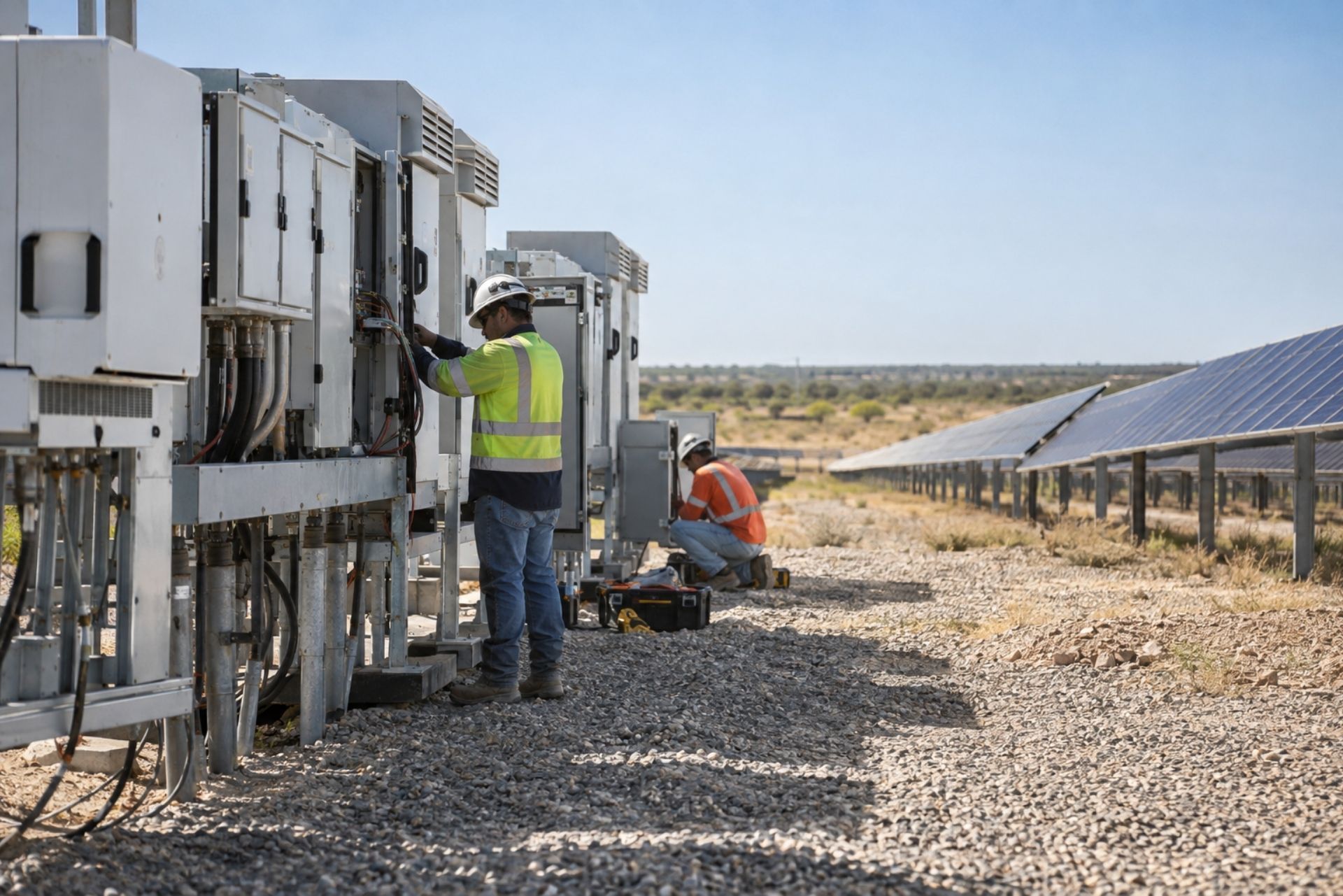
Property coverage protects your physical assets: panels, inverters, transformers, racking, fencing, and buildings. Equipment breakdown (EB) coverage is a separate but critical add-on that covers mechanical and electrical failure not caused by an external event. Think inverter failure from a manufacturing defect or a transformer that overheats due to an internal fault.
Here's where Texas gets tricky. Grid instability during winter storms acts as a "surge multiplier" for electrical damage, meaning even distant lightning strikes during grid stress can cause catastrophic inverter failure. Standard property policies may exclude electrical surge damage, so you need to confirm your EB coverage explicitly includes grid-related surge events. Lenders in 2026 now require separate major maintenance reserves for inverters, treating long-term warranties as soft credit enhancements rather than reliable protection.
Business Interruption and Loss of Revenue
If a covered event knocks your farm offline, business interruption (BI) insurance replaces lost revenue during the repair period. This is particularly important for Texas solar farms because of ERCOT's 2026 regulation NPRR 1328, which introduces a "Generation Firming" obligation with non-compliance penalties reaching up to $60/kW-year. If your farm can't generate during a penalty window, you're losing revenue and potentially paying fines.
BI policies typically have a waiting period (often 24-72 hours) before coverage kicks in. Shorter waiting periods cost more but protect against the kind of multi-day outages that Texas storms frequently cause. Make sure your policy's indemnity period, the maximum time it will pay out, matches realistic repair timelines. Replacing utility-scale inverters can take months if supply chains are strained.
Comparing Solar Insurance Policy Tiers
Not all policies offer the same protection, and the gap between a basic and comprehensive program can be enormous after a major loss event.
Table: Standard vs. Comprehensive Texas Solar Coverage
| Coverage Area | Standard Policy | Comprehensive Policy |
|---|---|---|
| Hail Damage | Covered with high deductible (often 3-5% of insured value) | Lower deductible, may include cosmetic damage |
| Wind Damage | Covered, typically capped at named-storm sub-limits | Full replacement cost, broader named-storm terms |
| Equipment Breakdown | Often excluded or limited | Included with grid-surge and electrical fault coverage |
| Business Interruption | 12-month indemnity | 18+ month indemnity |
| Liability | $1M/$2M GL only | GL + umbrella + environmental liability |
| Construction Phase | Not included | Builder's risk with testing and commissioning |
The 2026 insurance market reflects a sharp split between well-engineered portfolios and catastrophe-exposed assets facing reduced limits and stricter modeling scrutiny. If your farm falls into the higher-risk category, expect to pay more and receive fewer coverage options unless you can demonstrate strong risk mitigation.
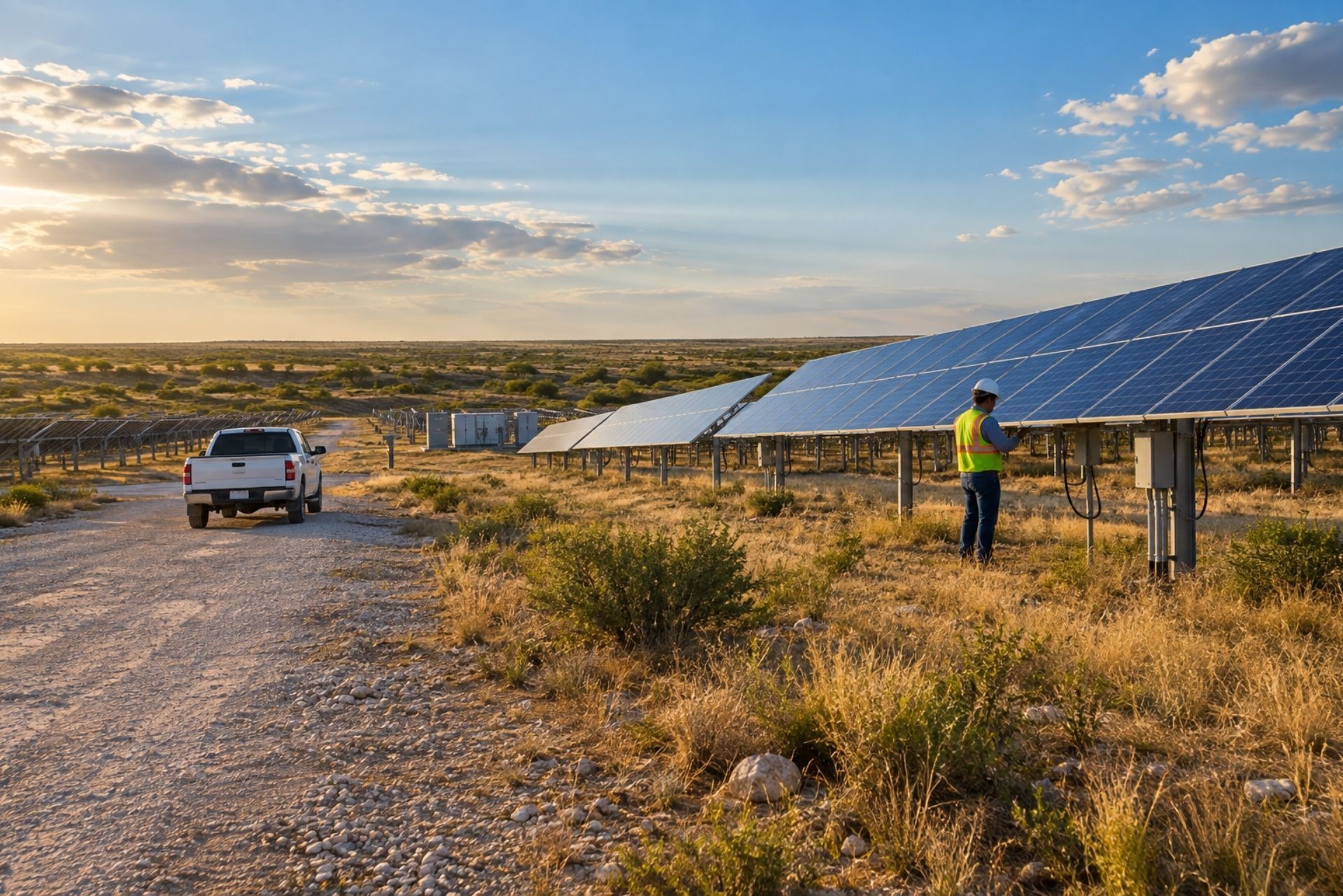
Your premium isn't just a function of your farm's size. Insurers weigh dozens of variables, and understanding the big ones gives you room to negotiate.
Geographic Location and Proximity to the Gulf
A solar farm near Corpus Christi faces hurricane risk that a farm near Lubbock doesn't, but the Lubbock site sits in the heart of Hail Alley. Premiums for solar projects in high-catastrophe zones have risen by as much as 400% over the last five years, while top-tier portfolios in lower-risk areas have actually seen rates soften by 5-20%. Your county's historical weather data plays a direct role in what you'll pay.
Flood zone designation matters too. If your site sits in a FEMA-designated floodplain, expect either a flood exclusion or a significant premium surcharge. Elevating electrical equipment and inverters above base flood elevation can help, both for actual flood protection and for underwriting favorability.
Technology Choices and Tracking Systems
Fixed-tilt systems are generally cheaper to insure than single-axis trackers because they have fewer moving parts and less wind exposure. That said, trackers with reliable hail-stow capability can actually earn premium discounts because they reduce panel exposure during storms. The key is proving your stow system works: insurers want maintenance logs, response-time data, and firmware update records.
Panel selection matters too. Modules with higher hail impact ratings (tested to withstand larger hailstones at higher velocities) can lower your property premium. If you're still in the design phase, choosing panels rated for 45mm hail at terminal velocity versus the standard 25mm can pay for itself through insurance savings over the project's life.
Common Questions About Texas Solar Insurance
FAQ: Does my policy cover hail damage automatically?
Most property policies cover hail, but the deductible is the catch. Insurers have moved toward percentage-based deductibles of 3–5% of Total Insured Value (TIV) for utility-scale solar farms in 2026 (https://www.leadersedge.com/p-c/hail-is-falling-losses-arent). On a $50M farm, that's $1.5M-$2.5M out of pocket before coverage kicks in. Always check whether cosmetic damage (cracked glass that doesn't yet affect output) is included or excluded.
FAQ: How much liability coverage do I need for a utility-scale farm?
Utility-scale operators typically carry a "layered stack" of liability coverage totaling $5M to $10M to meet the requirements of project owners and Power Purchase Agreements (PPAs) (https://www.leadersedge.com/p-c/hail-is-falling-losses-arent). Your PPA counterparty and lender will likely dictate minimum requirements. Don't assume $1M/$2M is enough: a single serious injury or a fire that spreads to neighboring property can exceed those limits quickly.
FAQ: Will insurance pay if the grid goes down and I can't sell power?
It depends on your business interruption policy's trigger. Most BI policies require physical damage to your property as the triggering event. If ERCOT curtails your output or the grid fails without damaging your equipment, a standard BI policy won't respond. You'd need contingent business interruption or a specific grid-failure endorsement, and those are hard to find in Texas right now.
FAQ: Is environmental liability included in a standard policy?
No. Standard GL and property policies typically exclude pollution and environmental cleanup costs. If your site uses battery energy storage systems (BESS) with lithium-ion chemistry, you should carry a separate environmental liability policy. A thermal runaway event can release toxic gases and require hazmat response that a standard policy won't cover.
FAQ: Do I need special coverage for the construction phase?
Yes. Builder's risk insurance covers your project during construction, including materials in transit, on-site storage, and installation. It typically transitions to a permanent property policy at commercial operation. As of September 1, 2026, Texas Senate Bill 1036 requires all solar sellers to carry specific insurance coverage and register with the state, adding another compliance layer to your construction-phase planning.
What This Means for Your Business
Texas solar insurance in 2026 is a market that rewards preparation and punishes complacency. The operators who maintain detailed data rooms, invest in hail-resistant technology, and carry layered coverage programs are getting better terms. Those who treat insurance as an afterthought are finding fewer carriers willing to write their risk, and paying dramatically more when they do find one.
Your next step should be an honest assessment of your current coverage gaps. Pull out your policy and check your hail deductible, your BI waiting period, and whether equipment breakdown includes grid-surge events. If you're carrying a standard policy on a farm in a high-cat zone, you're likely underinsured for the risks Texas actually presents.
Talk to a broker who specializes in
renewable energy, not a generalist who writes solar as a side product. The difference in coverage quality and premium efficiency can be substantial. And review your policy annually: the Texas insurance market is shifting fast, and what was adequate last year may leave you exposed this year.
About The Author:
Dax Kastrin
As Founder and Agent at ERM Insurance, I’m committed to helping clients understand and manage risk through clear, straightforward coverage solutions. With professional designations as an Accredited Advisor in Insurance (AAI) and Associate in General Insurance (AINS), I focus on delivering dependable protection and personalized service for every individual and business I work with.
Your Business Insurance Solutions

Workers’ Compensation Insurance
Protect your workers from significant financial losses if they are injured or disabled while performing their duties as an employee.

Cyber Liability Insurance
Safeguard your business against financial losses from data breaches, especially those that involve sensitive customer information and other unforeseen cyber events, like cybercrime.

Directors & Officers Liability
Protect your C-suite officers and board members, as well as the companies they represent if they are the subject of a claim or investigation from their duties.

General Liability Insurance
Guard your business against the cost of claims that can be filed due to bodily injury to a third party, damage to third-party property, lawsuits, and more.

Business Owners Insurance
Reduce the cost of premiums by getting a business owner’s insurance, a coverage plan that combines commercial property insurance and general liability insurance.

Commercial Auto Insurance
Guard your business against financial losses from accidents involving company vehicles. Commercial auto insurance provides for bodily injury liability and property damage.

Commercial Property Insurance
Recover from financial losses involving damage to your physical assets, including furniture, physical building, office space, inventory, landscaping and fencing, signage, and more.

Lessor's Risk Insurance
Get coverage for your rental properties. A lessor’s risk insurance covers financial losses from acts of vandalism, litigation costs for lawsuits, theft of property owned by your tenants, and more.

Product Liability Insurance
Protect your companies from claims made against the goods you provide. This covers injuries caused by malfunctions of products, design defects, and more.
Choose Elemental Risk Management Today
Get a Plan Suited to Your Business
ERM assesses the risks that your company faces, as well as your industry, operations, workforce, and more.
Recover Quickly
With business insurance coverage, you’ll bounce back from adverse events that could have left your business on the brink of bankruptcy.
Avoid Overpaying
Through customized solutions, your business will get adequate coverage without unnecessary costs. We’ll keep premiums cost-effective.
Our Testimonials
Hear from our clients
“We recently changed our business insurance after over 20 years, and we couldn't be happier. We didn't realize how poor the service was, how unresponsive, and slow the service was of our previous carrier. Dax and his team have gone above and beyond to answer every question our business had, to ensure that we had the coverage we needed, and fully understood everything we were getting. Not only did we save money, but we have saved a lot of time with the quick responsiveness of this team. They are exceptional. Would Highly recommend, and provide references."
Laura Harrison
May 2021
"I love working with the ERM crew! They are always super inquisitive and willing to learn/ask questions to provide their clients with the best possible insurance solution. I would definitely recommend them to anyone looking for advice on their current policies and coverage."
Nicole Limpert
May 2021
“Elemental Risk Management has been our insurance agent for 2 years now. They are consistently shopping for us to have the very best quality of coverage, as well as the best rates available. They saved our company over $20,000.00 in premiums our first year doing business with them. They are also quick to respond to any need (COI's, accident reporting, etc.). I recommend the team at ERM very highly!
Ramona Mills
June 2021