Texas Excavation & Grading Contractor Insurance
8:30am - 5:00pm Mon-Fri
Will Reply in 15min*
Over 180+ commercial clients covered
100% customer satisfaction guaranteed
Over 10 years of business insurance experience
A construction site is a bustling ecosystem of heavy machinery, skilled labor, and the unpredictable forces of nature. Contractors face challenges every day that can lead to severe injuries or costly property damage. Insurance tailored for excavation and grading projects provides vital protection. These types of policies serve as a safety net, ensuring that contractors can focus on their projects without the constant worry of unforeseen incidents. For anyone involved in these critical operations, understanding the nuances of insurance coverage is essential. Explore trusted insights from sources like
Contractorcover to grasp the real-world value of proper policy protection.
The High Stakes of Excavation and Grading
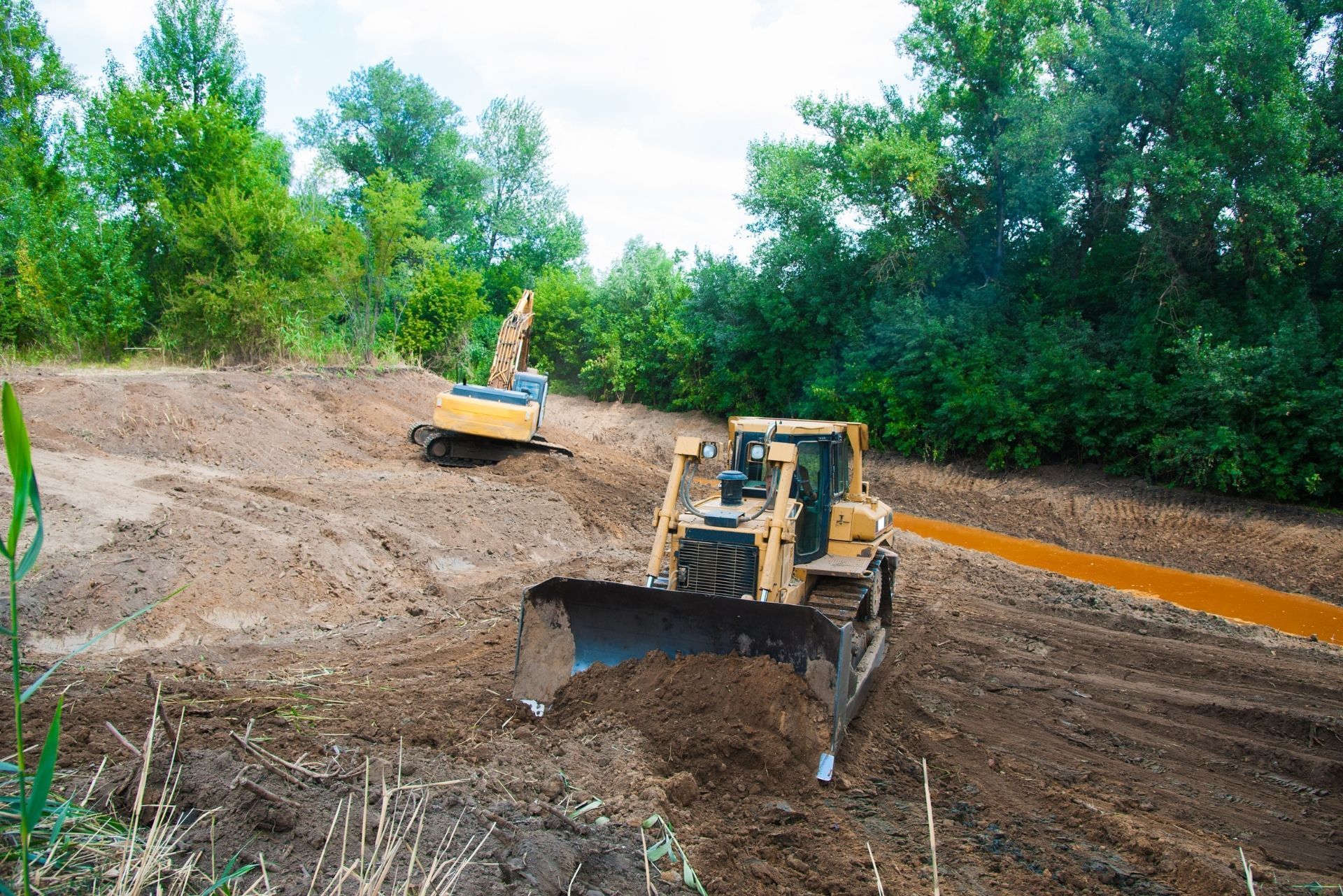
In Texas, construction work is synonymous with both opportunity and risk. Every project begins with demolition and excavation, vital first steps that create the foundation for major development. As noted by experts at EIS-Texas, rapid growth in Texas means that each new development brings a fresh set of challenges which can quickly escalate into dangerous situations. The dense interplay between old infrastructure and new builds requires an intricate understanding of risk management and safety protocols.
The environment is fraught with hazards that can lead to severe injuries and fatalities on the job. A stark statistic indicates that construction accounted for 20% of all workplace fatalities nationally in 2024, with 1,069 deaths recorded (McKay Law). This risk is compounded on excavation sites, where heavy-duty machinery, unstable ground conditions, and the unpredictable nature of weather create an environment where errors can have dire consequences.
Given the inherent perils, having robust insurance protection is not just a regulatory requirement-it is an operational necessity. Insurance policies for excavation and grading contractors are designed specifically to address these risks, offering financial security and legal defense in the event of an incident that disrupts the smooth running of operations.

By: Dax Kastrin
Founder and Agent at ERM Insurance
Why Specialized Insurance Matters for Excavation Contractors
Excavation and grading work place contractors in a unique position. The work is intensive, dynamic, and frequently exposed to external risks like severe weather. One notable point is that excavation and grading contractors are almost always required to have insurance due to the high risk of both injury and property damage, as emphasized by Contractorcover. This requirement exists to protect all stakeholders-from crew members to project owners-ensuring that any mishaps do not result in financial paralysis for involved parties.
This specialized insurance covers a range of areas, including liability claims, property damage, and worker injuries. It is customized to fit the multifaceted demands of excavation projects where heavy machinery and intense labor intersect. Without adequate insurance, contractors may face substantial out-of-pocket costs and prolonged legal battles if an incident occurs on site.
In short, specialized insurance is critical not only to meet legal requirements but also to provide a layer of security that helps contractors maintain a stable operational flow. A well-structured policy provides peace of mind, allowing a firm to invest confidently in new projects and technologies, knowing that they are prepared for unforeseeable disruptions.
Understanding the Coverage: What Does It Include?
Comprehensive policies for excavation and grading contractors cover several essential risk factors. They typically include general liability insurance, which protects against claims arising from bodily injury or property damage. This is particularly crucial given that Texas led the nation in fatal crane injuries in 2024, with the highest workplace fatality rate in the country, according to data from McKay Law.
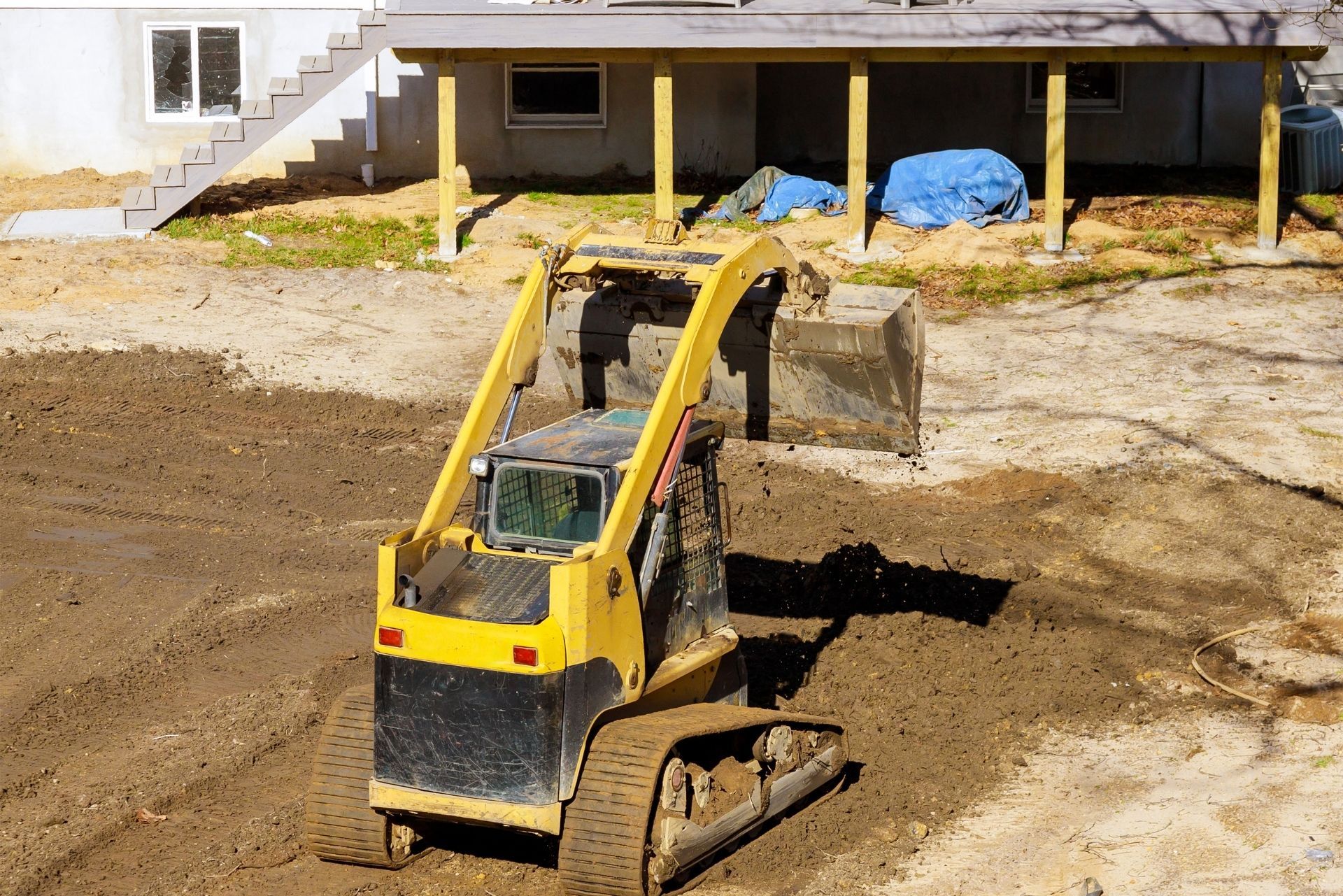
General liability coverage is the first line of defense when facing costly lawsuits or claims. Additionally, many policies incorporate equipment coverage to safeguard expensive machinery from damage. With heavy equipment being fundamental to excavation work, any malfunction or accident could potentially lead to significant operational downtime and financial losses.
A comprehensive policy may also feature pollution liability and professional liability coverages. For example, if an excavation project inadvertently disrupts underground utilities or causes environmental damage, these aspects of a policy will help manage the resulting claims. Contractors must read the fine print in each policy to understand the extent and limitations of the coverages offered.
Weather-Related Risks and Catastrophe Claims
Texas frequently faces extreme weather, and recent trends illustrate a growing concern. In Q2 2024, the state experienced a substantial 45% increase in wind and hail assignments compared to Q2 2023, impacting both catastrophe and non-catastrophe claims equally (Verisk Property). Such adverse weather conditions can significantly damage excavation sites. Trees might be uprooted, scaffolding can collapse, and heavy winds can shift unsecured materials.
Coverage designed to deal with wind and hail damage becomes integral, especially since Q3 2024 saw wind and hail losses dominate property insurance claims in Texas, accounting for over 58% of all claims (Verisk Property). Even contractors that take every possible precaution may find themselves needing to activate such coverage after a storm.
Weather-related risks highlight the dynamic challenges that modern contractors face. With robust coverage in place, a contractor can recuperate from a storm-induced setback more quickly, resuming work without significant financial strain.
The Impact of Natural Disasters on the Construction Labor Market
Natural disasters can have lasting impacts on construction labor markets, influencing both wages and project demands. A study estimated that Hurricane Harvey led to a 7.2% increase in average wages in Texas construction labor markets two quarters after the event, with effects persisting for the next two years (arXiv). Such a boost in wages reflects not only the increased demand for labor post-disaster but also the premium placed on safety and specialized skills in recovery efforts.
This surge in wages is a double-edged sword. While higher wages can attract more qualified professionals and improve overall project quality, they also increase a contractor’s liability and work costs. Contractors must ensure their insurance policies are comprehensive enough to cover any damages or claims that can arise when higher wages are reflective of higher operational standards.
Contractors operating in the wake of natural disasters often face extended timelines and increased scrutiny from both local authorities and insurance providers. Therefore, having tailored insurance that can acclimate to these fluctuations in the labor market becomes imperative to manage both risks and labor costs efficiently.
Risk Management on the Ground: Best Practices for Contractors
Effective risk management goes hand in hand with comprehensive insurance coverage. Texas excavation and grading contractors are encouraged to implement a multi-faceted approach to safety. This includes thorough site assessments, regular maintenance of equipment, and continuous workforce training. Safety protocols should be an everyday conversation, especially when the construction site comprises heavy machinery, unstable terrains, and unpredictable weather.
Contractors should also conduct regular reviews of their insurance policies, ensuring that their coverage meets the latest industry standards and reflects any changes to project scopes or labor demands. The rapid pace of development in Texas calls for revisiting insurance strategies more frequently than in more stable environments. Early engagement with risk management professionals can reduce the chances that a small incident escalates into a major claim.
Besides revisiting policies, contractors should develop a system of self-inspection and compliance checks. Documenting potential hazards and addressing them promptly can significantly lower the risk of workplace accidents. Participation in safety programs and industry workshops further elevates awareness and preparedness among crew members. This proactive approach not only minimizes risk but also reinforces the contractor's reputation for excellence within the industry.
Meeting Regulatory Requirements and Legal Implications
Texas construction laws impose several regulatory requirements intended to protect workers and the general public. Excavation and grading projects fall under these mandates, necessitating specific coverages as part of compliance. Strong regulatory frameworks underscore the importance of securing proper insurance, particularly in a sector known for its high-risk environment. Contractors who fail to maintain adequate coverage may not only suffer financially but also face significant legal consequences.
One of the more critical regulations involves the requirement for crane operators and heavy machinery handlers to have specialized safety coverage. Texas, for example, holds the unfortunate record for the highest workplace fatality rate in the country, with fatal crane injuries being particularly prevalent (McKay Law). Such regulations are designed to ensure that there is compensation available in the event of an accident. Adhering to these standards is not just about following the law-it is about protecting lives and livelihoods.
Legal implications extend to disputes over liability in the event of accidents. Detailed documentation, proactive safety measures, and comprehensive insurance can be crucial in defending against claims. Contractors who invest in the right policies often find themselves better positioned during litigation or settlement discussions, protecting both their financial stability and professional reputation.
Cost Considerations and Premium Breakdown
Determining the cost of excavation and grading contractor insurance involves several factors. The scale of operations, the type of equipment used, and the history of claims all play a role in the premium breakdown. In Texas, where construction projects are extensive and often involve substantial contracts, premiums may seem steep initially. However, these costs are an investment in long-term security and operational reliability.
Among the factors that shape premiums are the project's risk level and geographic location. An area prone to severe weather and high wind and hail incidents, such as many parts of Texas, will naturally incur higher premiums. In Q2 2024, there was a notable 45% increase in weather-related claims (Verisk Property), influencing how insurers assess risk in regions with volatile climates.
Additionally, a contractor’s past performance influences future costs. Projects with a history of safety compliance and documented best practices tend to be rewarded with more favorable rates. Insurance providers consider these factors when tailoring policies-meaning that good risk management practices can lower premiums and improve coverage conditions over time.
How to Choose the Right Insurance Partner
Choosing the right insurance provider is as critical as selecting the right policy. The ideal partner understands the unique challenges faced by excavation and grading contractors. Providers who specialize in construction or specifically in heavy machinery operations offer tailored services that cover the broad spectrum of risks present on excavation sites. Look for companies with extensive experience in handling complex claims and navigating the evolving regulatory environment.
It is essential to compare policy details, customer service reviews, and the providers' claim-handling history. Contractors should look for insurers who have successfully navigated large-scale projects similar to their own. Engaging with established providers helps build long-term relationships, ensuring that policies can evolve alongside the contractor's business objectives and emerging industry challenges.
Recommendations from trusted sources, for example, insights from
EIS-Texas, reinforce the value of aligning with specialized insurers. These providers understand that the stakes on every project are high and that tailored support is instrumental in mitigating risk, protecting assets, and ensuring regulatory compliance.
Charting the Path: Coverage Comparison Table
The following table provides a side-by-side comparison of basic versus extended coverage options for excavation and grading projects. This chart highlights key differences that can help contractors determine which policy best suits their needs:
| Coverage Type | Basic Coverage | Extended Coverage |
|---|---|---|
| General Liability | Covers bodily injury and property damage claims from routine operations. | Includes general liability with added protection for high-risk machinery operations. |
| Equipment Coverage | Covers damage to standard equipment.nover tenants | Broader coverage, including specialized machinery and breakdown recovery. |
| Weather-Related Damage | May offer limited coverage for wind or hail damage. | Comprehensive protection against various weather events, including wind, hail, and extreme storms. |
| Pollution and Environmental Liability | Basic coverage may have limited structure. | Extensive coverage includes claims related to environmental damage and pollution cleanup. |
| Legal Defense and Litigation Expenses | Standard legal support in low-risk situations. | Enhanced resources and legal defense, crucial for high-profile claims and litigation. |
This table is designed to simplify the comparison between insurance options, ensuring that contractors can make informed decisions about the coverage that best meets their operational risks and financial constraints.
The Financial Impact on Texas Construction
Texas construction projects are not only engineering feats but also significant financial undertakings. Since mid-2022, the construction industry in Texas has seen $289 billion in contracts, representing 16.5% of all U.S. nonresidential construction (McKay Law). This considerable investment underscores the importance of comprehensive insurance coverage. When a project is backed by such substantial financial commitments, even a minor setback can have ripple effects on the overall viability of an endeavor.
Investments in advanced technology, skilled labor, and premium infrastructure require a safety net that is as robust as it is flexible. The financial solidity provided by proper insurance ensures that contractors can secure the backing necessary from investors and clients alike. With heightened expectations placed on project efficiency and completion standards, a comprehensive policy becomes not just an expense, but an investment in stability and long-term success.
Insurance is designed to absorb the shock of unexpected events, thereby protecting project margins and preserving investor confidence. When the unexpected happens, such as an equipment malfunction during a critical phase or large-scale weather disruptions, these policies help bridge the gap until operations can resume at full pace.
Maximizing Safety Through Training and Technology
Improving safety is integral to reducing risks and managing insurance premiums. Leading contractors in Texas are increasingly investing in advanced training programs and modern technology to minimize on-site hazards. Regular workshops not only enhance crew performance but also emphasize the importance of safety protocols on the job site. Practical training sessions on equipment handling, emergency responses, and fall prevention techniques reduce the likelihood of claims, thereby reinforcing an organization’s profile with insurers.
Adopting new technologies, such as drones for aerial site assessment or automated monitoring systems, adds an extra layer of security to projects. These technologies provide real-time data on site conditions, helping project managers respond proactively to potential hazards. In many cases, robust surveillance and monitoring systems can also help in documenting safety compliance, a factor that can positively influence insurance premiums.
Investments in safety training and technology not only reduce the inherent risk in complex projects but also help contractors look more attractive to both insurers and clients. A proven commitment to safety and best practices fosters a culture of risk awareness that extends across all levels of the organization.
Real-World Claims: Lessons Learned from the Field
The stories of past claims often serve as valuable lessons for the construction community. Incidents on excavation sites reveal that even with safety protocols in place, unexpected conditions can lead to serious injuries or property damage. For instance, crane operations remain one of the most perilous aspects of construction in Texas-a state that led in fatal crane injuries in 2024 (McKay Law). Such accidents have prompted deeper discussions on the need for enhanced training, better equipment, and insurance that covers a broad scope of incident scenarios.
Case studies have shown that contractors who maintained up-to-date policies and engaged in regular safety audits were better positioned to manage the fallout from serious incidents. A proactive approach to risk management-backed by comprehensive coverages-has often come down to one underlying factor: preparation. When a claim arises, a contractor with a solid policy and a culture of safety finds it easier to navigate the complexities of compensation, legal defense, and recovery.
By studying past claims and sharing best practices, the construction community continues to evolve, steadily reducing the frequency and severity of incidents on the job site. A culture of learning and adaptation is critical for meeting the high stakes of modern excavation and grading projects.
Frequently Asked Questions
Q: Why is specialized insurance necessary for excavation and grading contractors?
A: Specialized insurance addresses the unique risks of heavy machinery, unstable ground, and severe weather. This coverage is designed to meet legal requirements and protect contractors from high-cost claims in case of accidents.
Q: What makes weather-related coverage important for contractors in Texas?
A: Texas faces frequent extreme weather. Policies with enhanced weather-related provisions safeguard projects from wind, hail, and storm damage, minimizing financial and operational disruptions.
Q: How can effective risk management influence insurance premiums?
A: Contractors who adopt best practices, such as regular safety training and proactive equipment maintenance, may benefit from lower premiums due to reduced overall risk profiles.
Q: What are the main components of a comprehensive policy for excavation and grading?
A: A robust policy typically includes general liability, equipment coverage, weather damage protection, pollution liability, and legal defense coverage tailored to the complexities of construction work.
Q: Is there a difference between basic and extended coverage options?
A: Yes, extended coverage options generally offer broader protection against high-risk events, including severe weather and environmental damage, compared to more limited basic policies.
Q: How do natural disasters impact contractor insurance policies?
A: Natural disasters, such as hurricanes, can lead to a surge in claims and affect premiums. Policies are designed to adjust coverage parameters to account for increased risks during and after such events.
The Future of Contractor Insurance in a Changing Environment
As project demands and environmental stresses continue to evolve, so too must the policies that protect excavation and grading contractors. With construction in Texas surging at unprecedented speeds, industry stakeholders anticipate rapid changes in the insurance landscape. An increased emphasis on advanced technology, data analytics, and proactive risk management will likely redefine how policies are underwritten in the coming years.
Insurers are becoming more adept at predicting weather patterns and assessing site-specific risks through data-driven insights. This shift allows for more accurate pricing of premiums and the development of policies that better reflect the real-world conditions on the ground. Contractors can expect a more dynamic relationship with insurers, one that adapts to both immediate and long-term challenges.
Moreover, rising awareness of workplace safety and regulatory changes will prompt both insurers and contractors to invest in training and innovative monitoring systems. This partnership will likely lead to a safer construction environment and more stable operational foundations for all involved parties. The future, though fraught with challenges, holds promise for those who actively engage in improving safety and risk management on all fronts.
Wrapping Things Up
Excavation and grading contractors have a host of risks to contend with daily. With Texas experiencing a significant push in construction activities, the need for detailed, comprehensive insurance is more critical than ever. From protecting valuable equipment to covering liability claims, specialized policies offer contractors a financial buffer against the inevitable mishaps that occur on high-risk sites.
The ever-changing environment-marked by extreme weather events, evolving construction practices, and increased regulatory demands-requires insurance that keeps pace with these challenges. By investing in tailored solutions and proactive risk management strategies, contractors not only safeguard their operations but also enhance their competitive edge in a booming market.
Understanding the ins and outs of contractor insurance is key to avoiding costly mistakes. In a state as dynamic as Texas, securing the right policy means more than just legal compliance; it is a strategic move for long-term financial health and operational sustainability. Whether you are just starting in excavation and grading or leading a large operation, knowing your coverage and continuously optimizing your risk management strategies should be at the forefront of your business planning.
Final Insights
The landscape for excavation and grading contractors is complex and multifaceted. With a robust construction market backed by substantial projects, ensuring comprehensive insurance is not a luxury-it is a necessity. From mitigating weather-related risks to addressing legal and regulatory exigencies, specialized insurance coverage acts as a critical pillar for success in the sector.
Each Texas construction project is a testament to the industry's resilience and ambition. As contractors seek to build faster and safer, having insurance that reflects the high stakes of their work becomes integral. Detailed policies provide the assurance needed to tackle each project with confidence.
As the sector evolves, the emphasis on data, technology, and proactive risk management will continue to reshape the insurance landscape. The insights drawn from recent statistics and expert observations serve as a roadmap for future improvements. For those involved in excavation and grading, keeping abreast of these developments is not just recommended-it is essential for surviving and thriving in an increasingly challenging environment.
Looking Ahead: Preparing for the Unexpected
The path to continued success in Texas construction hinges on preparedness and adaptability. Contractors must continuously evaluate their risk profiles and update insurance policies to reflect the latest operational realities. With the construction industry confronting both traditional and emerging challenges, such as technological disruptions and changing environmental conditions, a forward-looking approach to insurance becomes a pivotal component of resilience.
Risk is inherent in every construction project, but the degree of risk can be managed through systematic safety protocols, constant upskilling of the workforce, and the integration of advanced monitoring technologies. Each of these steps contributes to not only reducing claims but also enhancing overall project performance. Once a sound insurance policy is in place, it reduces the burden on contractors to navigate the complexities of legal claims and financial setbacks.
Preparing for the unexpected means engaging with partners who understand the unique demands of the industry. As construction projects grow in scale and intensity, professionals who align their practices with the best in risk management will emerge stronger. Keeping safety at the forefront, while continually revising insurance and operational plans, is the way forward in minimizing disruptions and maximizing the return on investments.
Future-Proofing Your Business
Business longevity in the excavation and grading sector depends on the ability to adapt. With Texas construction continuing to surge-$289 billion in contracts since mid-2022 reflecting 16.5% of all U.S. nonresidential construction (McKay Law)-businesses must consider more than just physical and financial risks. Future-proofing requires a blend of technology, employee training, and strategic insurance planning.
Insurance is at the intersection of these varied challenges, and staying informed about changes in regulatory standards or emerging natural hazards will make a significant difference. A proactive insurance strategy is one that evolves with the expanding scope of construction projects. As safety standards and project sizes continue to grow, so too will the need for policies that keep pace with this change.
For any contractor operating in this rapidly shifting landscape, the smartest investments are those that mitigate risks, protect workforce well-being, and enable business continuity. This comprehensive strategy ensures that even when faced with unpredictable challenges, operations can continue to thrive.
Common Misunderstandings About Contractor Insurance
Many in the excavation and grading industry mistakenly believe that a one-size-fits-all policy can address all potential risks. However, each project is unique, involving different types and amounts of risks. For example, contractors in Texas encounter a mix of high wind, hail damage, and intense on-site operations that require tailored coverage options. An in-depth evaluation of specific operational needs leads to more accurate policy pricing and proactive risk management.
Another common misunderstanding is that basic coverage is sufficient. While basic policies might cover standard liability claims, they do not adequately protect against the high-impact challenges that can occur on an excavation site. Extended coverage, though costing more upfront, pays dividends in time of actual emergencies, ensuring that financial liabilities do not overwhelm a contractor’s business.
Addressing misunderstandings through clear communication and knowledgeable discussions with insurance providers is essential. Contractors who invest time in understanding the specifics of their policies tend to experience fewer discrepancies during claims, resulting in smoother operational continuity and less stress during potential disputes.
The construction industry, particularly in a dynamic market like Texas, is continuously evolving. Legislative changes, emerging technologies, and shifts in labor market dynamics require contractors to remain alert to new challenges. Staying informed means regular consultations with insurance experts and participation in industry workshops where best practices are shared.
Adapting insurance strategies to meet new risks is paramount. A contractor might find that periodic reassessments of their policies in light of recent natural disasters or changes in state regulations lead to better-tailored coverage. This proactive approach not only safeguards against potential threats but also positions the business to navigate competitive pressures effectively.
Regularly consulting sources like
arXiv studies on labor market trends and weather impact analyses ensures that contractors have current data at their fingertips. Such data-driven insights form the bedrock of informed decision-making in both policy selection and business expansion strategies.
Wrapping It All Up
Texas excavation and grading contractors operate in an environment where the stakes are extraordinarily high. With significant investments driving the industry forward and a backdrop of extreme weather events and rigorous safety regulations, comprehensive insurance is not optional-it is critical. The complex interplay of machinery, labor, and weather necessitates an insurance approach that evolves alongside industry challenges.
From reducing risk through best practices to making informed comparisons between basic and extended coverage options, understanding the finer details of contractor insurance can be the determining factor between operational success and costly setbacks. Strategic insurance planning is both a shield and a strategic asset that supports long-term growth and stability.
For contractors in Texas planning ambitious projects, embracing comprehensive risk management and proactive insurance strategies ensures that when challenges arise, they are well-prepared to handle them without significant disruption to their operations. A well-informed approach to policy selection is a keystone of building and sustaining business success in a competitive and fast-paced industry.
Final Thoughts
As the construction environment in Texas continues to evolve, excavation and grading contractors must prioritize understanding the nuances of their insurance policies. Comprehensive coverage protects vital assets, covers liabilities, and cushions the financial impact of unexpected site incidents. With significant industry contracts and rigorous regulatory demands, having the right insurance strategy is more than just protection-it is a competitive advantage.
Investing in specialized insurance for excavation and grading projects means investing in peace of mind. By aligning operational practices with the latest advancements in safety and risk management, contractors secure a more resilient future. Choosing a policy that integrates weather-related coverage, equipment protection, and legal defense ultimately supports the longevity and success of each project.
For anyone involved in this critical area of construction, staying informed, seeking expert guidance, and continuously adapting risk management practices are the cornerstones of operational success and long-term viability.
About The Author:
Dax Kastrin
As Founder and Agent at ERM Insurance, I’m committed to helping clients understand and manage risk through clear, straightforward coverage solutions. With professional designations as an Accredited Advisor in Insurance (AAI) and Associate in General Insurance (AINS), I focus on delivering dependable protection and personalized service for every individual and business I work with.
Your Business Insurance Solutions

Workers’ Compensation Insurance
Protect your workers from significant financial losses if they are injured or disabled while performing their duties as an employee.

Cyber Liability Insurance
Safeguard your business against financial losses from data breaches, especially those that involve sensitive customer information and other unforeseen cyber events, like cybercrime.

Directors & Officers Liability
Protect your C-suite officers and board members, as well as the companies they represent if they are the subject of a claim or investigation from their duties.

General Liability Insurance
Guard your business against the cost of claims that can be filed due to bodily injury to a third party, damage to third-party property, lawsuits, and more.

Business Owners Insurance
Reduce the cost of premiums by getting a business owner’s insurance, a coverage plan that combines commercial property insurance and general liability insurance.

Commercial Auto Insurance
Guard your business against financial losses from accidents involving company vehicles. Commercial auto insurance provides for bodily injury liability and property damage.

Commercial Property Insurance
Recover from financial losses involving damage to your physical assets, including furniture, physical building, office space, inventory, landscaping and fencing, signage, and more.

Lessor's Risk Insurance
Get coverage for your rental properties. A lessor’s risk insurance covers financial losses from acts of vandalism, litigation costs for lawsuits, theft of property owned by your tenants, and more.

Product Liability Insurance
Protect your companies from claims made against the goods you provide. This covers injuries caused by malfunctions of products, design defects, and more.
Choose Elemental Risk Management Today
Get a Plan Suited to Your Business
ERM assesses the risks that your company faces, as well as your industry, operations, workforce, and more.
Recover Quickly
With business insurance coverage, you’ll bounce back from adverse events that could have left your business on the brink of bankruptcy.
Avoid Overpaying
Through customized solutions, your business will get adequate coverage without unnecessary costs. We’ll keep premiums cost-effective.
Our Testimonials
Hear from our clients
“We recently changed our business insurance after over 20 years, and we couldn't be happier. We didn't realize how poor the service was, how unresponsive, and slow the service was of our previous carrier. Dax and his team have gone above and beyond to answer every question our business had, to ensure that we had the coverage we needed, and fully understood everything we were getting. Not only did we save money, but we have saved a lot of time with the quick responsiveness of this team. They are exceptional. Would Highly recommend, and provide references."
Laura Harrison
May 2021
"I love working with the ERM crew! They are always super inquisitive and willing to learn/ask questions to provide their clients with the best possible insurance solution. I would definitely recommend them to anyone looking for advice on their current policies and coverage."
Nicole Limpert
May 2021
“Elemental Risk Management has been our insurance agent for 2 years now. They are consistently shopping for us to have the very best quality of coverage, as well as the best rates available. They saved our company over $20,000.00 in premiums our first year doing business with them. They are also quick to respond to any need (COI's, accident reporting, etc.). I recommend the team at ERM very highly!
Ramona Mills
June 2021