Florida Mixed-Use Building LRO Insurance
8:30am - 5:00pm Mon-Fri
Will Reply in 15min*
Over 180+ commercial clients covered
100% customer satisfaction guaranteed
Over 10 years of business insurance experience
Owning a mixed-use building in Florida means juggling two worlds under one roof. You've got
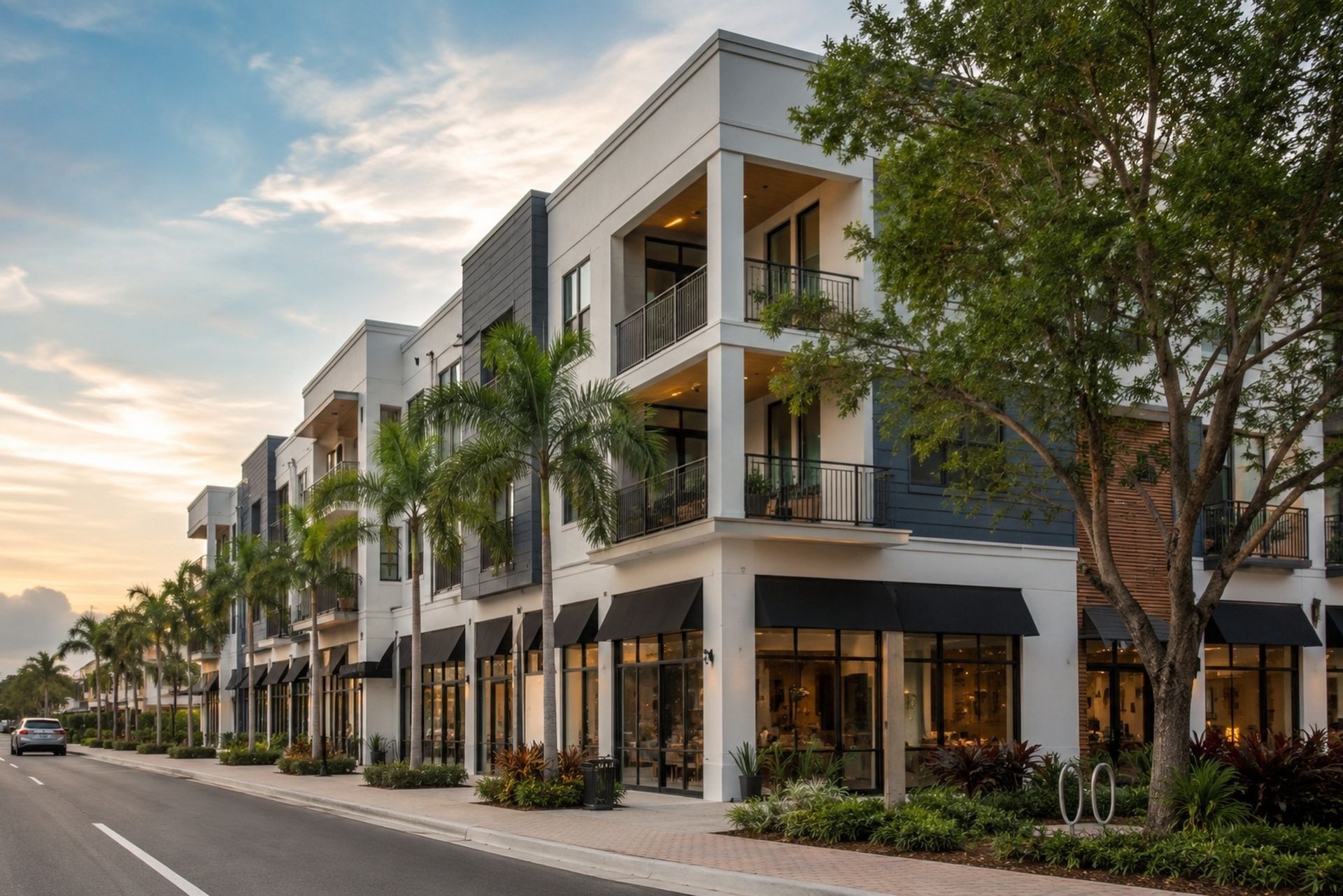
residential tenants upstairs expecting quiet enjoyment and commercial tenants downstairs running restaurants, salons, or retail shops. Each occupancy type carries its own liability profile, and standard property insurance rarely accounts for the overlap. That's where Lessor's Risk Only (LRO) insurance becomes essential for Florida mixed-use building owners. LRO policies are designed specifically for landlords who don't operate the businesses inside their buildings but still face real exposure from tenant activities, weather events, and property damage claims. Florida's insurance market has shifted considerably in recent years, and the state's property insurance sector
reported a net underwriting gain of $206.7 million with a combined ratio of 93.1 in the most recent reporting period, signaling some stabilization after years of turbulence. Still, mixed-use properties present unique underwriting challenges that require specialized coverage. If you own one of these hybrid buildings, understanding your LRO policy inside and out isn't optional. It's a financial necessity.
Understanding LRO Insurance for Florida Mixed-Use Properties
Defining Lessor's Risk Only (LRO) Coverage
LRO insurance is a landlord-specific policy that covers property owners who lease space to tenants but don't conduct business operations themselves. Think of it as a stripped-down commercial package tailored to your role as a passive owner. You're not running the coffee shop on the ground floor, but you still own the walls, the roof, and the common areas surrounding it.
A standard LRO policy typically bundles general liability, building coverage, and loss of rental income into a single package. Your liability portion responds when someone slips on a wet lobby floor or trips over a cracked sidewalk outside your building. The property portion covers the structure itself, including the electrical, plumbing, and HVAC systems. Loss of rental income kicks in if a covered event, like a fire or windstorm, makes units uninhabitable and tenants stop paying rent.
One common mistake landlords make is assuming their LRO policy covers tenant improvements or tenant-owned equipment. It doesn't. Your policy protects the building shell and your financial interest as the owner. Tenants need their own policies for their inventory, fixtures, and business liability.
The Hybrid Nature of Florida Mixed-Use Assets
Mixed-use buildings create a coverage puzzle because residential and commercial spaces carry different risk profiles. A ground-floor restaurant with a commercial kitchen poses fire and grease-trap risks that a second-floor apartment doesn't. Meanwhile, residential tenants bring slip-and-fall exposure in hallways, stairwells, and parking areas.
Florida's building codes treat these occupancy types differently too. Commercial spaces often require higher fire suppression standards, ADA compliance, and separate egress routes. Your insurer evaluates all of these factors when pricing your LRO policy, and the mix of tenants you choose directly affects your premium.
The real challenge is that most standard
commercial property policies aren't built for this hybrid structure. They're designed for single-use buildings. An LRO policy written for mixed-use properties accounts for the interplay between residential and commercial exposures, giving you a single policy that addresses both.

By: Dax Kastrin
Founder and Agent at ERM Insurance
Core Coverage Components for Mixed-Use Landlords
General Liability and Tenant-Related Risks
Your general liability coverage is the backbone of any LRO policy. It protects you when a third party, whether a tenant, their customer, or a delivery driver, gets injured on your property. For mixed-use buildings, this exposure multiplies because commercial tenants draw foot traffic that residential-only buildings don't see.
Imagine a customer visiting your ground-floor retail tenant slips on a rain-soaked entrance mat. That injured person isn't going to sue the tenant first. They're coming after you, the building owner. A typical LRO general liability limit starts at $1 million per occurrence with a $2 million aggregate, though buildings with high-traffic commercial tenants often need higher limits.
Here's a scenario that catches landlords off guard: a tenant's employee is injured due to a building defect, like a faulty handrail or an electrical issue in the walls. Your tenant's workers' compensation covers their employee, but their carrier may subrogate against you for the building defect. Your LRO liability coverage responds to that claim.
Commercial Property and Business Income Protection
The property coverage portion of your LRO policy protects the physical structure at replacement cost or actual cash value, depending on your policy terms. Replacement cost is almost always the better option because Florida construction costs have risen sharply. Rebuilding a mixed-use structure after a major loss can easily exceed $250 per square foot in coastal markets.
Business income coverage, sometimes called loss of rents, is a component many landlords undervalue. If a fire damages three commercial units and four apartments, you could lose $15,000 to $30,000 per month in rental income while repairs take six to twelve months. Your policy should cover that gap, but only if your limits are set correctly. We recommend calculating your total annual rental income and insuring at least 12 months of it.
| Coverage Component | What It Protects | Typical Limits |
|---|---|---|
| General Liability | Third-party bodily injury and property damage | $1M per occurrence / $2M aggregate |
| Building Coverage | Structure, systems, common areas | Replacement cost value |
| Loss of Rents | Rental income during covered repairs | 12 months of gross rental income |
| Medical Payments | Minor injuries without a lawsuit | $5,000 - $10,000 per person |
Florida-Specific Risk Factors and Requirements
Windstorm, Hurricane, and Flood Considerations
Florida's geography makes windstorm and hurricane coverage a critical piece of any mixed-use LRO policy. Most standard policies exclude wind damage in coastal counties, which means you'll need a separate windstorm policy through a private carrier or Citizens Property Insurance Corporation. Your wind deductible is typically 2% to 5% of the building's insured value, so on a $3 million building, you could be responsible for $60,000 to $150,000 before coverage kicks in.
Flood insurance is a separate policy entirely. Standard LRO policies exclude flood damage, and if your building sits in a FEMA-designated flood zone, your lender will require a National Flood Insurance Program (NFIP) policy or a private flood alternative. Even buildings outside high-risk zones get flooded. Roughly
25% of all flood claims come from properties outside designated flood zones, which makes flood coverage worth considering regardless of your zone classification.
State Mandates and Ordinance or Law Coverage
Florida has specific requirements that affect how you rebuild after a loss. If your building was constructed under older codes and suffers significant damage, the local building department may require you to bring the entire structure up to current code during repairs. This can add 20% to 40% to your rebuilding costs, and your standard property coverage won't pay for the upgrades.
That's where ordinance or law coverage comes in. This endorsement pays for the increased cost of construction required by updated building codes. For older mixed-use buildings in Florida, especially those built before the 2002 Florida Building Code overhaul, this coverage is essential. Without it, you'd pay the code-upgrade costs out of pocket.
Florida also requires landlords to maintain certain minimum insurance coverages depending on the municipality. Some cities mandate minimum liability limits for buildings with commercial tenants, so check your local ordinances.
Underwriting Criteria for Mixed-Use LRO Policies
The Impact of Residential vs. Commercial Occupancy Ratios
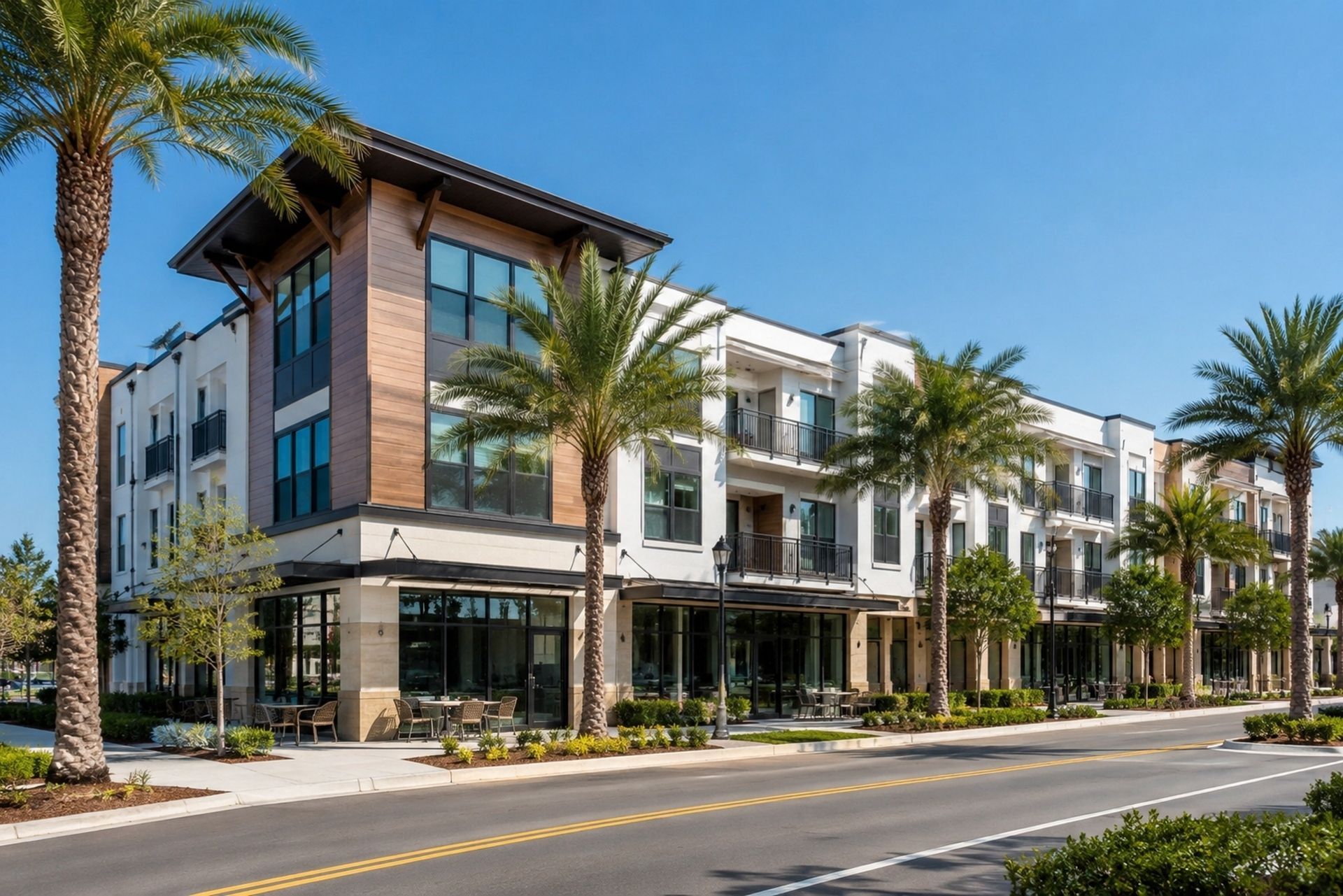
Underwriters look closely at the percentage split between residential and commercial square footage. A building that's 80% residential and 20% commercial is viewed very differently from one that's 50/50. Higher commercial occupancy generally means higher premiums because commercial tenants bring more liability exposure, more foot traffic, and more complex operations.
The type of commercial tenant matters just as much as the ratio. A professional office suite is low-risk. A bar or nightclub is high-risk. Underwriters assign occupancy codes to each tenant type, and those codes directly influence your rate. If you're planning to lease ground-floor space, knowing which tenant types will keep your premiums manageable can save you thousands annually.
Evaluating High-Risk Commercial Tenants
Certain tenant types trigger automatic rate increases or even coverage exclusions. Restaurants with deep fryers, bars serving alcohol, vape shops, and cannabis dispensaries all fall into higher-risk categories. Some insurers won't write LRO policies for buildings with these tenants at all.
If you do lease to a high-risk tenant, expect your insurer to require specific safeguards: commercial-grade fire suppression in the kitchen, liquor liability coverage carried by the tenant, and possibly higher building coverage limits. One practical step is to require a minimum of $1 million in commercial general liability from every tenant and have yourself named as an additional insured on their policy. This gives you a direct line of defense if a claim arises from their operations.
Implementing Strict Tenant Insurance Requirements
The single most effective way to reduce your own exposure is requiring every tenant, residential and commercial, to carry their own insurance. For commercial tenants, require a minimum of $1 million in general liability and name yourself as an additional insured. For residential tenants, require renters insurance with at least $100,000 in liability coverage.
Build these requirements into your lease agreements and verify compliance annually. Many property management platforms now offer automated insurance tracking, so you'll know immediately if a tenant's policy lapses. A building where 100% of tenants carry active insurance is far less risky to underwrite, and insurers reward that with lower premiums.
Safety Protocols and Building Maintenance Standards
Regular maintenance isn't just good property management. It's a premium reduction strategy. Insurers look at the age and condition of your roof, electrical systems, plumbing, and HVAC when pricing your policy. A building with a roof older than 15 years will face significantly higher rates, and some carriers won't insure it at all.
Keep documented records of all inspections, repairs, and upgrades. Install security cameras in common areas, maintain adequate lighting in parking lots and stairwells, and ensure fire extinguishers and alarms are inspected annually. These steps reduce both your claim frequency and your premium at renewal. Florida's
insurance reforms have helped stabilize the market, but individual building conditions still drive your specific rate.
Securing the Right Mixed-Use Policy in the Florida Market
Finding the right LRO policy for a Florida mixed-use building takes more than grabbing the cheapest quote online. You need a broker or agent who understands mixed-use underwriting and can place your coverage with a carrier that's financially stable and experienced in this niche. Ask about their AM Best rating, their claims handling process, and whether they've written similar mixed-use risks in your county.
Get at least three quotes, and compare them on more than just premium. Look at the wind deductible, the ordinance or law sublimit, and whether loss of rents coverage is included or optional. A policy that's $2,000 cheaper but excludes ordinance or law coverage could cost you $200,000 after a major storm.
Review your policy annually, especially after adding new tenants or making building improvements. Your coverage needs will shift as your tenant mix changes, and staying ahead of those changes keeps you properly protected. The Florida market for mixed-use building owners is more stable than it was three years ago, but the right LRO insurance policy remains your most important financial safeguard.
Frequently Asked Questions
Does LRO insurance cover my tenants' personal property or business equipment? No. LRO policies only cover the building structure, common areas, and your financial interests as the landlord. Tenants need their own renters or commercial property policies.
Do I need separate flood and windstorm policies in Florida? Usually, yes. Most LRO policies exclude flood entirely and may exclude windstorm in coastal counties. You'll likely need standalone policies for both.
Can my tenant's insurance claim affect my LRO premium? Not directly, but if a tenant's insurer subrogates against you for a building defect, that claim hits your policy and could increase your renewal rate.
What happens if a tenant lets their insurance lapse? You absorb the additional risk. If that tenant causes a loss, your LRO policy may respond, but your premium could increase at renewal. Automated tracking tools help prevent lapses.
How does tenant type affect my LRO premium?
High-risk tenants like restaurants and bars increase your rate significantly. Low-risk tenants like offices or professional services keep premiums lower.
About The Author:
Dax Kastrin
As Founder and Agent at ERM Insurance, I’m committed to helping clients understand and manage risk through clear, straightforward coverage solutions. With professional designations as an Accredited Advisor in Insurance (AAI) and Associate in General Insurance (AINS), I focus on delivering dependable protection and personalized service for every individual and business I work with.
Your Business Insurance Solutions

Workers’ Compensation Insurance
Protect your workers from significant financial losses if they are injured or disabled while performing their duties as an employee.

Cyber Liability Insurance
Safeguard your business against financial losses from data breaches, especially those that involve sensitive customer information and other unforeseen cyber events, like cybercrime.

Directors & Officers Liability
Protect your C-suite officers and board members, as well as the companies they represent if they are the subject of a claim or investigation from their duties.

General Liability Insurance
Guard your business against the cost of claims that can be filed due to bodily injury to a third party, damage to third-party property, lawsuits, and more.

Business Owners Insurance
Reduce the cost of premiums by getting a business owner’s insurance, a coverage plan that combines commercial property insurance and general liability insurance.

Commercial Auto Insurance
Guard your business against financial losses from accidents involving company vehicles. Commercial auto insurance provides for bodily injury liability and property damage.

Commercial Property Insurance
Recover from financial losses involving damage to your physical assets, including furniture, physical building, office space, inventory, landscaping and fencing, signage, and more.
Lessor's Risk Insurance
Get coverage for your rental properties. A lessor’s risk insurance covers financial losses from acts of vandalism, litigation costs for lawsuits, theft of property owned by your tenants, and more.

Product Liability Insurance
Protect your companies from claims made against the goods you provide. This covers injuries caused by malfunctions of products, design defects, and more.
Choose Elemental Risk Management Today
Get a Plan Suited to Your Business
ERM assesses the risks that your company faces, as well as your industry, operations, workforce, and more.
Recover Quickly
With business insurance coverage, you’ll bounce back from adverse events that could have left your business on the brink of bankruptcy.
Avoid Overpaying
Through customized solutions, your business will get adequate coverage without unnecessary costs. We’ll keep premiums cost-effective.
Our Testimonials
Hear from our clients
“We recently changed our business insurance after over 20 years, and we couldn't be happier. We didn't realize how poor the service was, how unresponsive, and slow the service was of our previous carrier. Dax and his team have gone above and beyond to answer every question our business had, to ensure that we had the coverage we needed, and fully understood everything we were getting. Not only did we save money, but we have saved a lot of time with the quick responsiveness of this team. They are exceptional. Would Highly recommend, and provide references."
Laura Harrison
May 2021
"I love working with the ERM crew! They are always super inquisitive and willing to learn/ask questions to provide their clients with the best possible insurance solution. I would definitely recommend them to anyone looking for advice on their current policies and coverage."
Nicole Limpert
May 2021
“Elemental Risk Management has been our insurance agent for 2 years now. They are consistently shopping for us to have the very best quality of coverage, as well as the best rates available. They saved our company over $20,000.00 in premiums our first year doing business with them. They are also quick to respond to any need (COI's, accident reporting, etc.). I recommend the team at ERM very highly!
Ramona Mills
June 2021