Auto Dealer Bond in NM, UT, and TX
8:30am - 5:00pm Mon-Fri
Will Reply in 15min*
Over 180+ commercial clients covered
100% customer satisfaction guaranteed
Over 10 years of business insurance experience
Opening a dealership in the Southwest means dealing with a stack of state paperwork, and the surety bond requirement trips up more first-time dealers than almost anything else. Whether you're planning to
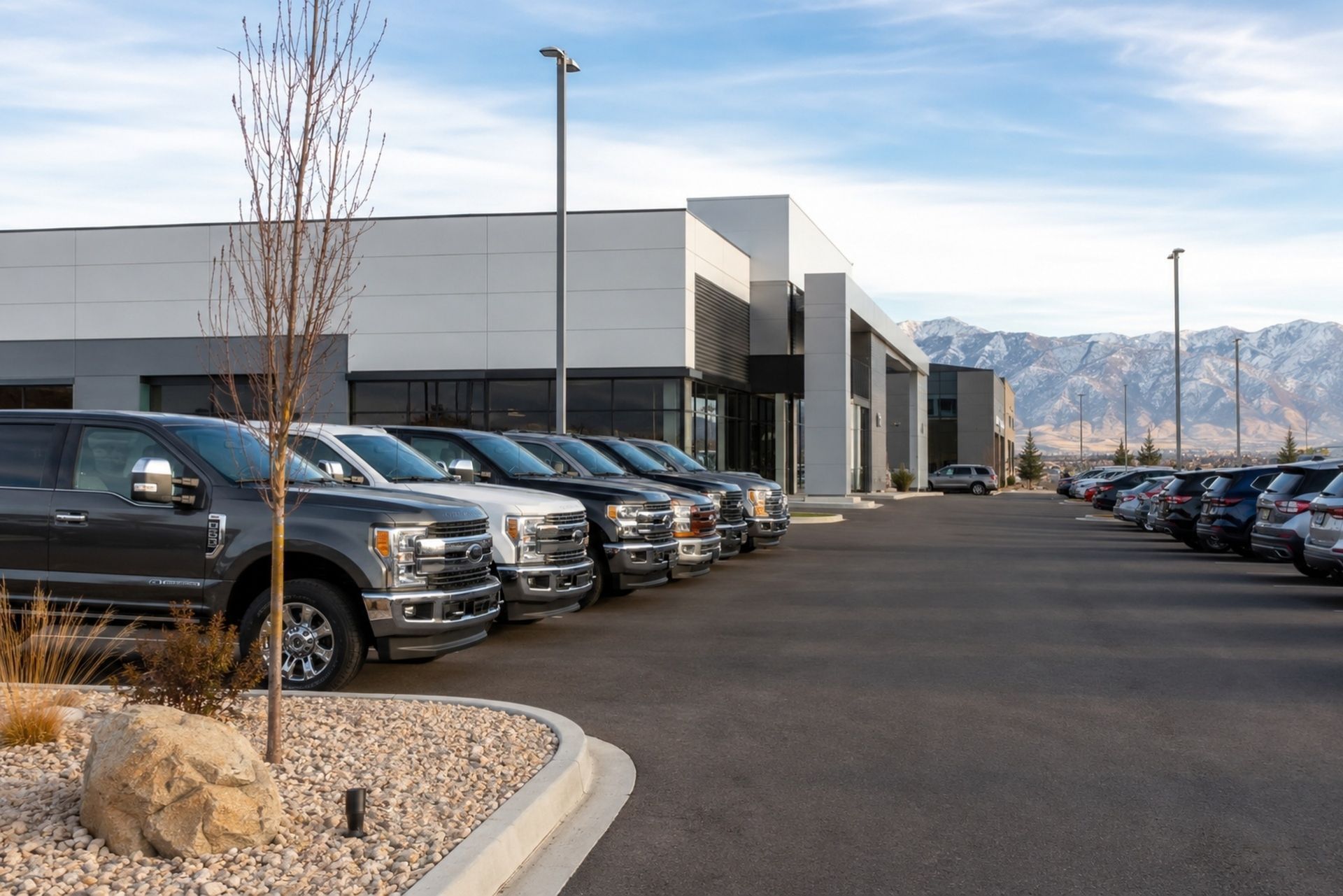
sell used trucks off a
small lot in Albuquerque or run a
franchise operation in Houston, your state won't issue a license until you've secured the right bond at the right amount. The cost and coverage details for auto dealer bonds in NM, Utah, and Texas vary more than you'd expect, even though these three states share a border region. Bond amounts range from $25,000 to $50,000 depending on the state, and premiums swing wildly based on your credit profile and business history. Getting this wrong can delay your opening by weeks or cost you thousands more than necessary. We've helped dealers across all three states sort through these requirements, and the differences are worth understanding before you commit. This guide breaks down what each state demands, what you'll actually pay, how coverage works, and the factors that push your premium up or down. If you're comparing options across state lines or just trying to budget accurately for a single location, the details here will save you time and money.
Understanding Auto Dealer Bonds in the Southwest
Surety bonds for auto dealers function differently than most people assume. They aren't a fee you pay and forget about. They're a three-party agreement involving you (the dealer), the state (the obligee), and the surety company (the guarantor). The state sets the bond amount, the surety company underwrites your risk, and you pay a premium that's a fraction of the total bond value. If a customer or the state files a valid claim against your bond, the surety pays out, but you're on the hook to reimburse them.
Why States Require Motor Vehicle Dealer Bonds
States require dealer bonds to protect consumers from fraud, misrepresentation, and financial harm. If a dealer sells a car with a forged title, rolls back an odometer, or collects taxes from a buyer and never remits them to the state, the bond provides a financial remedy. Without bonds, consumers would have to sue individual dealers, many of whom might not have assets to cover a judgment. The bond guarantees a pool of money exists to make victims whole. New Mexico, Utah, and Texas all treat the bond as a non-negotiable licensing requirement. You can't open your doors without one, and letting it lapse can trigger immediate license suspension.
The Difference Between Insurance and Surety Bonds
A common mistake is treating your dealer bond like an
insurance policy. Insurance protects you from losses. A surety bond protects others from your actions. If a claim is paid on your bond, the surety company will come after you for reimbursement, a process called indemnification. Think of it as a guaranteed line of credit the state holds on your behalf. Your general liability or
garage keeper's insurance covers property damage, injuries, and similar risks. Your surety bond covers regulatory and consumer protection obligations. You need both, and they don't overlap.

By: Dax Kastrin
Founder and Agent at ERM Insurance
State-Specific Bond Amounts and Requirements
Each state sets its own bond amount and renewal cycle. The differences between NM, Utah, and Texas are significant enough that dealers operating in multiple states need separate bonds for each.
New Mexico: MVD Licensing and Bond Tiers
New Mexico requires a $25,000 surety bond for most motor vehicle dealers. The bond must be filed with the Motor Vehicle Division (MVD) as part of your dealer license application. New Mexico's bond amount hasn't changed recently, making it one of the more affordable states in the region for new dealers. The MVD bond requirement applies to both new and used vehicle dealers, including wholesale and retail operations. Renewals are annual, and you'll need to keep your bond active for the entire duration of your license. Letting it expire, even briefly, puts your license at risk.
Utah: Motor Vehicle Enforcement Division (MVED) Rules
Utah's Motor Vehicle Enforcement Division requires a $75,000 bond for new and used motor vehicle dealers as of 2026. That's triple what New Mexico requires and significantly higher than many surrounding states. Utah also mandates that dealers maintain a physical business location that meets specific zoning and display requirements. The bond must name the MVED as the obligee, and the surety company must be authorized to do business in Utah. Dealers selling motorcycles, RVs, or small trailers may face different bond amounts depending on their license class. Utah's higher bond amount means premiums will be proportionally larger, even for applicants with excellent credit.
Texas: DMV Requirements for GDN Holders
Texas auto dealer bonds for 2026
remain at $50,000 for a two-year term, with premiums for well-qualified applicants typically starting around 1% to 3% of the bond amount. The Texas Department of Motor Vehicles (TxDMV) requires this bond for all General Distinguishing Number (GDN) holders, which includes
independent, franchise, and wholesale dealers. Texas has been updating its dealer licensing process through the
WebDealer system, and recent legislative changes have tightened compliance expectations. The two-year bond term is unusual compared to most states and means you're paying for 24 months of coverage upfront. That can be a budgeting advantage since you're not dealing with annual renewals, but the initial outlay is higher.
Comparison of Dealer Bond Requirements by State
Here's a side-by-side look at how these three states stack up:
| Requirement | New Mexico | Utah | Texas |
|---|---|---|---|
| Bond Amount | $25,000 | $75,000 | $50,000 |
| Bond Term | 1 year | 1 year | 2 years |
| Licensing Agency | MVD | MVED | TxDMV |
| Estimated Premium (good credit) | $250 - $750/yr | $750 - $2,250/yr | $500 - $1,500/2 yrs |
| Estimated Premium (poor credit) | $2,500 - $5,000/yr | $7,500 - $15,000/yr | $5,000 - $10,000/2 yrs |
| Applies To | New & used dealers | New & used dealers | All GDN holders |
The premium ranges above are estimates based on typical underwriting. Your actual cost depends on the factors covered in the next section. Notice how Utah's $75,000 requirement makes it the most expensive state for dealers with credit challenges.
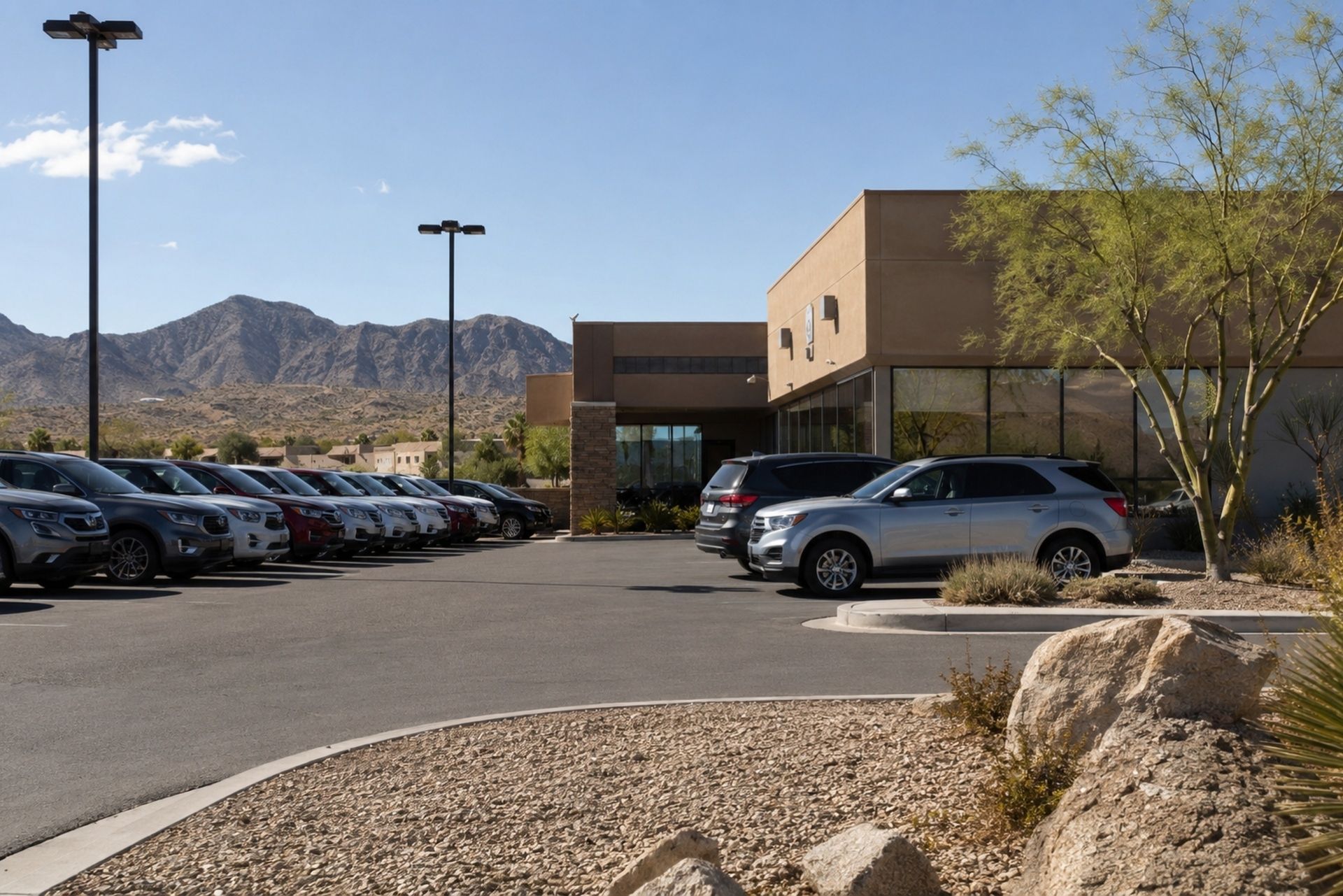
Your bond amount is set by the state, but your premium is set by the surety company. Two dealers in the same state can pay vastly different amounts for identical bond coverage.
Credit Scores and Financial History
Credit score is the single biggest factor in your premium calculation. Dealers with scores above 700 typically qualify for premiums between 1% and 3% of the bond amount. Scores below 600 can push premiums to 10% or even 20%. A bankruptcy, tax lien, or judgment on your record will flag you as high risk. Some surety companies specialize in bad-credit bonds, but you'll pay significantly more. If your credit is borderline, improving your score by even 30 to 50 points before applying can save you hundreds or thousands of dollars.
Experience and Business Longevity
A dealer who's been licensed for five years with a clean record is a much lower risk than someone applying for their first license. Surety companies look at your industry experience, any prior bond claims, and the financial stability of your business. If you've had a claim paid on a previous bond, expect higher premiums or difficulty finding a surety willing to write your bond at all. New dealers without industry experience sometimes need to provide additional financial documentation, personal guarantees, or collateral. Building a track record of clean operations for two to three years can significantly reduce your renewal premiums.
What Your Dealer Bond Actually Covers
Your bond doesn't cover everything. It has a specific, limited scope tied to your obligations as a licensed dealer.
Protection Against Title Fraud and Misrepresentation
The most common claims against dealer bonds involve title issues. Selling a vehicle with a salvage title without disclosure, failing to transfer title within the required timeframe, or selling a car you don't actually hold clear title to can all trigger claims. Odometer fraud and misrepresenting a vehicle's condition are also covered. If a customer buys a car from your lot and later discovers you lied about its history, they can file a claim against your bond to recover their losses. The bond amount is the maximum payout, not a per-claim limit, so multiple claims can drain your bond quickly.
Compliance with State Tax and Fee Payments
Dealers collect sales tax, title fees, and registration fees from buyers. Those funds belong to the state, and failing to remit them is a serious violation. Your bond covers this obligation. If you collect $3,000 in sales tax from customers over several months and never send it to the state, the state can file a claim against your bond to recover those funds. Texas has been
increasing enforcement around dealer compliance in recent years, and both New Mexico and Utah take tax remittance failures seriously. This is one of the fastest ways to lose your license and face a bond claim simultaneously.
Common Questions About Dealer Bonds
How long does it take to get a dealer bond? Most surety companies can issue a bond within 24 to 48 hours once your application is complete. High-risk applicants may take longer due to additional underwriting review.
Can I get a dealer bond with bad credit? Yes, but you'll pay more. Expect premiums of 10% to 20% of the bond amount. Some surety companies focus specifically on high-risk applicants.
What happens if someone files a claim against my bond? The surety company investigates the claim. If it's valid, they pay the claimant up to the bond amount. You then owe the surety company that money back.
Do I need separate bonds for each state? Yes. If you operate dealerships in both Texas and New Mexico, you need a separate bond for each state, filed with each state's licensing agency.
Can my bond be canceled? The surety company can cancel your bond with written notice, usually 30 to 60 days. If your bond is canceled, your dealer license becomes invalid until you secure a replacement.
Does my bond cover customer injuries on my lot? No. That's what general liability insurance covers. Your surety bond only covers financial harm from regulatory violations and fraud.
Are wholesale dealers required to carry the same bond? In all three states, wholesale-only dealers must carry a surety bond. The amount may differ in Utah depending on your license class, but Texas and New Mexico apply the same bond amount to wholesale and retail dealers.
Making the Right Choice for Your Dealership
Choosing the right surety bond comes down to understanding your state's requirements and shopping for the best premium based on your financial profile. New Mexico offers the lowest barrier at $25,000, Texas sits in the middle at $50,000 with a two-year term, and Utah demands the most at $75,000. Your credit score drives your premium more than any other factor, so addressing credit issues before applying is one of the smartest moves you can make.
Don't treat the bond as just another checkbox on your licensing application. It's a financial obligation that follows you throughout your career as a dealer. A single claim can raise your premiums for years or make it difficult to find a surety company willing to back you. Keep your title work clean, remit taxes on time, and maintain honest sales practices. The bond is there to protect consumers, but running a compliant operation protects you from ever having to deal with a claim in the first place.
If you're comparing dealer bond costs across NM, Utah, and Texas, get quotes from at least three surety companies. Rates vary, and some companies offer better terms for specific states or risk profiles. The
Texas Independent Automobile Dealers Association is a solid resource for Texas-specific guidance, and your state's licensing agency can confirm current bond amounts before you apply.
About The Author:
Dax Kastrin
As Founder and Agent at ERM Insurance, I’m committed to helping clients understand and manage risk through clear, straightforward coverage solutions. With professional designations as an Accredited Advisor in Insurance (AAI) and Associate in General Insurance (AINS), I focus on delivering dependable protection and personalized service for every individual and business I work with.
Your Business Insurance Solutions

Workers’ Compensation Insurance
Protect your workers from significant financial losses if they are injured or disabled while performing their duties as an employee.

Cyber Liability Insurance
Safeguard your business against financial losses from data breaches, especially those that involve sensitive customer information and other unforeseen cyber events, like cybercrime.

Directors & Officers Liability
Protect your C-suite officers and board members, as well as the companies they represent if they are the subject of a claim or investigation from their duties.

General Liability Insurance
Guard your business against the cost of claims that can be filed due to bodily injury to a third party, damage to third-party property, lawsuits, and more.

Business Owners Insurance
Reduce the cost of premiums by getting a business owner’s insurance, a coverage plan that combines commercial property insurance and general liability insurance.

Commercial Auto Insurance
Guard your business against financial losses from accidents involving company vehicles. Commercial auto insurance provides for bodily injury liability and property damage.

Commercial Property Insurance
Recover from financial losses involving damage to your physical assets, including furniture, physical building, office space, inventory, landscaping and fencing, signage, and more.
Lessor's Risk Insurance
Get coverage for your rental properties. A lessor’s risk insurance covers financial losses from acts of vandalism, litigation costs for lawsuits, theft of property owned by your tenants, and more.

Product Liability Insurance
Protect your companies from claims made against the goods you provide. This covers injuries caused by malfunctions of products, design defects, and more.
Choose Elemental Risk Management Today
Get a Plan Suited to Your Business
ERM assesses the risks that your company faces, as well as your industry, operations, workforce, and more.
Recover Quickly
With business insurance coverage, you’ll bounce back from adverse events that could have left your business on the brink of bankruptcy.
Avoid Overpaying
Through customized solutions, your business will get adequate coverage without unnecessary costs. We’ll keep premiums cost-effective.
Our Testimonials
Hear from our clients
“We recently changed our business insurance after over 20 years, and we couldn't be happier. We didn't realize how poor the service was, how unresponsive, and slow the service was of our previous carrier. Dax and his team have gone above and beyond to answer every question our business had, to ensure that we had the coverage we needed, and fully understood everything we were getting. Not only did we save money, but we have saved a lot of time with the quick responsiveness of this team. They are exceptional. Would Highly recommend, and provide references."
Laura Harrison
May 2021
"I love working with the ERM crew! They are always super inquisitive and willing to learn/ask questions to provide their clients with the best possible insurance solution. I would definitely recommend them to anyone looking for advice on their current policies and coverage."
Nicole Limpert
May 2021
“Elemental Risk Management has been our insurance agent for 2 years now. They are consistently shopping for us to have the very best quality of coverage, as well as the best rates available. They saved our company over $20,000.00 in premiums our first year doing business with them. They are also quick to respond to any need (COI's, accident reporting, etc.). I recommend the team at ERM very highly!
Ramona Mills
June 2021