Texas Low-Voltage & Security System Installer Insurance
8:30am - 5:00pm Mon-Fri
Will Reply in 15min*
Over 180+ commercial clients covered
100% customer satisfaction guaranteed
Over 10 years of business insurance experience
A security installation mishap or an unexpected weather surge can quickly turn a low-voltage system installation into a costly predicament. With Texas home and business owners increasingly relying on smart security solutions, installers are under pressure to balance efficient service with risk management. This article explains the nuances of insurance coverage for low-voltage and security system installers.
Recent trends have shown that failure to adequately cover for potential liability may expose installers to significant financial risks. Data from industry studies illustrate how even a minor error can lead to major claims. Readers can explore detailed industry insights on the
Texas Security Alarm Services industry size to see the economic landscape driving these challenges.
Understanding the Risks Faced by Low-Voltage & Security System Installers
Working with sophisticated electronics and integrated systems brings its share of hazards. From installation errors to liability issues with DIY components, installers face multifaceted risks. As Texas continues to expand its security service market, understanding these hazards helps both new and seasoned professionals plan ahead.
Incidents involving faulty installation can lead to equipment failures or even legal disputes over data loss. In some cases, an improperly connected system might even trigger false alarms or miss security breaches, causing property loss for the end users. The rise in smart infrastructure is a double-edged sword: while it enhances security, it also introduces new vulnerabilities that require careful management.
Experts in the field advise that comprehensive insurance coverage tailored to the unique needs of security system installers is essential. This coverage protects against property damage, theft, accidental damage during installations, and even potential litigation issues arising from errors or system failures.


By: Dax Kastrin
Founder and Agent at ERM Insurance
Key Insurance Coverage Options for Installers
General Liability and Professional Liability Insurance
General liability insurance is a mainstay for any service provider. It covers third-party bodily injury, property damage, and less frequently, legal defense costs. For security system installers, general liability is the first line of defense.
Professional liability insurance, sometimes called errors and omissions (E&O) insurance, offers protection for claims arising from professional service mistakes. Given the sensitive nature of low-voltage and smart security systems, even small errors can result in significant claims. Installer professionals are advised to secure professional liability insurance to mitigate losses from any installation-related mistakes.
Experts recommend combining both types of coverage to create a robust protection plan. This dual approach is especially critical when the installation incorporates new technology integrations, where there is risk associated with data handling or system control errors.
Equipment and Property Coverage
Installers' tools and equipment represent significant capital investments. Specific policies can provide coverage not only for business property but also for on-site equipment. When the work involves high-end security technology, equipment breakdown can disrupt service schedules and generate considerable financial loss.
Incorporating equipment coverage within the broader insurance plan ensures that damages induced by unexpected surges, such as lightning strikes, are addressed promptly. For instance, Texas reported a notable number of lightning-related claims that burdened property owners financially. Lightning claims have been exceptionally high in Texas, which only underscores the need for robust equipment coverage.
By combining property and equipment coverage, installers can rest assured that both their operational assets and the integrity of client systems are protected during unpredictable weather events or accidental physical damage.
The Financial Implications of Insurance Costs
Insurance costs for low-voltage and security system installers are influenced by several factors. These include the scope of services provided, the complexity of integrated systems, and the geographic location of operations. Texas, with its dynamic climate and evolving security market, presents unique cost considerations.
For example, Texas is home to a thriving security alarm services industry that is projected to reach significant revenue milestones in the next few years. The financial scale of this sector adds pressure on claim resolutions and necessitates better risk management practices.Industry projections like these inform insurers when calculating premiums.
The cost components include base premiums, deductibles, and any specialty endorsements. As installers handle both physical installations and technological integrations, insurance providers may require additional endorsements to cover potential liabilities that are unique to smart and interconnected systems. A careful review of the policy specifics is crucial to ensure that it meets all the operational requirements of a business.
Factors Influencing Premium Costs
Several factors contribute to premium costs for installers in Texas. First, the size and scope of the business play a significant role. Small outfits may receive relatively lower rates compared to larger enterprises with a wide-ranging portfolio of contracts.
Operational history is another heavy influencer. Installers with a track record of careful system integration, a history of few claims, and robust safety protocols typically receive more favorable premiums. The type of installations performed, especially when integrating high-risk DIY components into professional systems, can lead to increased premiums.
Insurers now scrutinize the use of DIY security systems in professional settings, noting that these systems may present additional liability risks. Insurers have signaled caution regarding installers who rely heavily on customer-supplied components, often raising questions about coverage limits if a system fails due to amateur installation practices. This insight is supported by opinions on potential liability risks when mixing DIY systems into professional operations (liability risks with DIY systems).
Impact of Market Conditions
Market conditions in Texas have undergone notable shifts. While the demand for integrated security solutions is rising, there has also been volatility in the insurance market, particularly related to homeowner policies. Recently, Texas saw a significant increase in non-renewal rates for homeowners insurance during a three-year period. This trend highlights how market dynamics can influence the underwriting procedures and cost structures associated with various lines of insurance coverage.
When homeowners face difficulties renewing their policies, there is also an increased appetite among insurance providers to ensure that any associated security system installations are thoroughly covered. The interplay between homeowners insurance and low-voltage installer coverage becomes evident: both sectors must adapt to emerging risks and evolving claim patterns. Such interactions inevitably affect premium mathematics and policy structures.
Installers operating in both residential and commercial spaces are thus advised to stay abreast of the market movements and adjust their risk management practices accordingly.
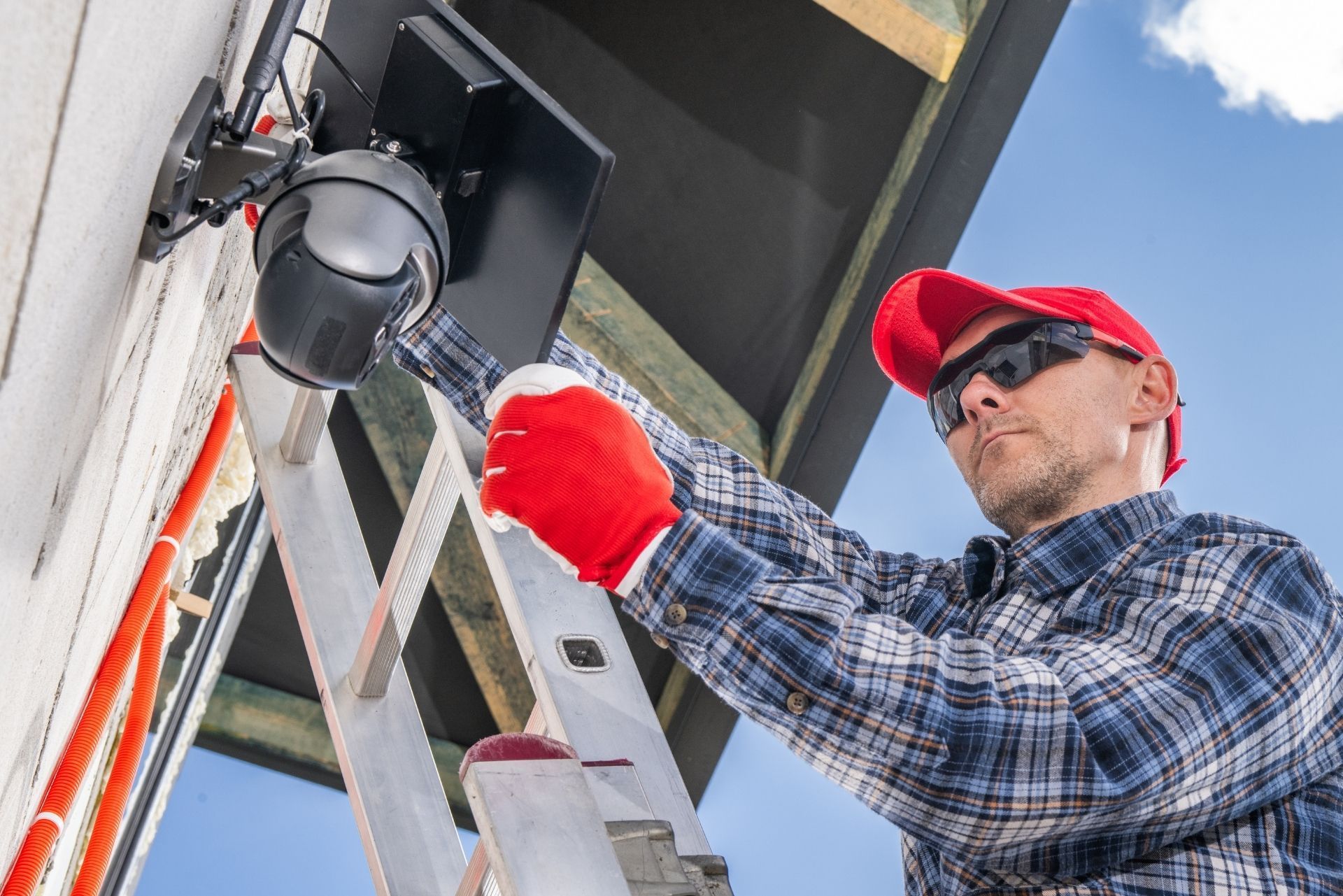
Smart security systems that incorporate low-voltage installations are on the rise in Texas. These systems offer an unparalleled level of automation and remote monitoring, yet they demand equally sophisticated insurance coverage. Beyond covering typical installation mishaps, policies now increasingly account for cyber risks, data breaches, and the integration of networked devices.
For example, emerging trends in technology repair and integration services have led to insurance products tailored specifically to protect against data loss and cyber interruptions. This is particularly important because smart security systems depend heavily on data processing and remote functionality. Technology repair insurance can serve as a critical backstop for service providers and installers alike.
Adopting state-of-the-art technology in security installations means that providers not only need to focus on physical protections but also consider vulnerabilities in digital communication. Adapting insurance policies to cover these modern risks is a necessary evolution in the industry.
Adapting Policies for Smart Technology
Insurance policies that once covered only mechanical and accidental damage are now being updated to address the risks associated with smart systems. Providers are taking a closer look at the security of data interfaces and the potential for cyberattacks. For security system installers, it is essential to understand that policy modifications may lead to either increased premiums or more specific exclusions.
For instance, liability coverage may require specific endorsements that account for digital liabilities. In practice, an installer may experience an unexpected data breach following an installation error, thus facing claims for both property damage and a breach of privacy. Such situations have prompted insurers to evolve their coverage frameworks to better address these modern risks.
By evaluating the technological nuances of their services, installers can work closely with insurers to craft policies that mirror the complexity of their installations. This custom approach can help minimize potential liability exposure while also keeping the costs manageable.
Smart System Impact on Claim Frequency and Amount
Communities in areas such as the Dallas-Fort Worth region have reported an interesting trend. Areas where more than half of the homes have smart security systems have experienced a significant property crime reduction over a two-year period. Such findings, noted in a study on smart security systems in DFW, underscore the effectiveness of these systems.
For installers, this trend translates into fewer claims related to property damages and security breaches when their systems function optimally. However, it also means that successful installations must maintain stringent quality controls, as any deviation might lead to costly overruns or legal actions. Insurers are increasingly looking at claims data to adapt their rate structures accordingly.
The investment in smart technologies appears to be paying dividends both in enhancing security outcomes and in reducing the frequency of property-related claims. This trend may ultimately influence the overall insurance landscape in Texas.
Insurance Coverage in the Expanding Telecommunications Sector
The telecommunications industry in Texas is surging ahead, partially fueled by the race to deploy 5G networks and fiber optics enhancements. With such rapid technological deployments, telecommunications contractors have a host of insurance requirements tailored not only for their infrastructure endeavors but also for the safety of the communities they serve.
While the primary focus here is on low-voltage and security system installations, similarities in risk management underscore the interplay between telecommunications and security systems. Both industries must navigate complex liability terrain and rapidly changing technology landscapes. Installing a fiber-optic cable or setting up a smart alarm system involves similar risks in terms of equipment damage or installation errors.
Insurance products in the telecommunications space are evolving. They now address both physical and digital risks, aligning closely with the challenges faced by security system installers. More information on this growing market can be found in recent discussions about telecommunications contractor insurance in Texas.
Bridging the Gap Between Telecommunications and Security
Telecommunications and security system technologies overlap in many areas, particularly as homes and businesses become integrated hubs of smart technology. Insurance providers are increasingly recognizing that the risks in these two fields intersect. For example, an installation error in fiber infrastructure might not only cause service disruption but could also compromise connected security systems.
Insurers are now more inclined to offer bundled endorsements that cover both fields, especially for contractors who provide comprehensive solutions. This holistic view of installation risk is becoming more common as both sectors grow in complexity and interdependence.
Ultimately, the adapted coverage models help mitigate potential financial losses across both domains, supporting a more seamless operation for installers who straddle these overlapping industries.
Risk Management Strategies for Installers
While obtaining the right insurance coverage is crucial, proactive risk management plays an equally important role in safeguarding a business. Effective risk management begins even before a system is installed. Detailed project assessments, regular equipment maintenance, and meticulous installation practices are all integral to reducing overall risk exposure.
A practical approach toward risk management involves regular training sessions, where teams are updated on the latest installation practices and safety standards. Periodic audits of installed systems can help identify potential compliance issues early enough before they become serious liabilities.
Additionally, installers must document every step of an installation. Documentation serves as evidence in the eventuality of a claim dispute and can significantly reduce legal challenges. Staying proactive with risk assessment can prove to be as cost-effective as purchasing comprehensive insurance coverage.
Emergency Preparedness and Response
Texas weather is notorious for its sudden changes and extreme conditions. Lightning strikes, torrential rains, or even storms can cause unexpected damages to installations. Having a robust insurance plan is one aspect, but being prepared for emergencies is another.
Emergency response training and simplified communication protocols with insurers help installers quickly handle unexpected incidents. Both internal preparations and a clear, pre-established line of communication with insurers can streamline the claims process in the event of a disaster.
Regular drills and updates on safety protocols further enable installation teams to mitigate risks, even in periods of extreme weather. Preparation coupled with the right insurance forms a powerful defense against external disruptions.
Emerging Trends and Future Outlook
Innovation in security systems shows no sign of slowing, especially as more homeowners and businesses pivot to smart technologies. With these evolving solutions come new insurance challenges. The future will likely see more customized policies that address niche areas such as data integrity, cyber intrusions, and even integration with other smart home devices.
Recent market reports indicate that Texas accounts for over 11% of homeowners' insurance premiums nationwide, positioning it as the second-largest property and casualty insurance market in the country (Texas homeowners' insurance market).
Industry professionals predict that this robust insurance market will continue to adapt alongside advancements in low-voltage and security technologies. As claims related to lightning and other natural phenomena remain high, alongside the emergent digital risks, the insurance products will reflect more comprehensive coverages in the near future.
Preparing for the Next Wave of Technological Change
The rate of technological change in low-voltage installations means that the risk landscape is continuously evolving. Installers are encouraged to maintain an ongoing dialogue with their insurance providers to update and fine-tune coverage options as new technologies roll out.
Regular policy reviews are key. As new methodologies-and new types of claims-emerge, so too must the insurance coverage adapt. Ensuring that policies remain aligned with current operational practices means that instalment teams can continue focusing on quality service without the distraction of unforeseen liabilities.
This proactive approach not only protects installers but also builds better trust with clients, who increasingly invest in smart security systems that demand the highest levels of reliability and support.
The Evolving Relationship Between Installers and Insurers
Successful installers in Texas are those who establish a strong working relationship with their insurance providers. By cultivating transparency and open lines of communication, installers can ensure that policy details truly reflect on-the-ground realities.
Insurance providers increasingly lean on real-world installation data to set premiums and policy limits. As installers provide feedback on policy performance during claims, insurers can fine-tune coverage options that better reflect the challenges of modern installation practices.
Looking ahead, a mutually beneficial relationship between installers and insurers will herald more flexible, adaptive products that align with the rapid technological advances in the security arena.
Frequently Asked Questions
These questions address common concerns by security system installers and offer straightforward insights into insurance coverage and risk management practices.
Q: What primary types of insurance do low-voltage installers need?
A: Installers typically require general liability insurance, professional liability (errors and omissions) insurance, and equipment/property coverage to manage risks associated with installation mishaps and equipment failure.
Q: How do insurance providers view DIY security systems in professional installations?
A: Insurers often view DIY systems as adding additional liability risks when integrated into professional setups, which might lead to higher premiums or specific policy exclusions. Learn more about liability risks associated with DIY systems.
Q: Are there specific endorsements for technology integration and cyber risks?
A: Yes, many insurance providers offer specialized endorsements that cover risks related to technology repair, data breaches, and integration errors. These endorsements help protect installers from digital liabilities that accompany modern smart systems.
Q: How do market trends in Texas affect insurance coverage costs?
A: The dynamic market in Texas, marked by significant industry growth and rising homeowners' insurance non-renewal rates, can lead insurers to adjust premium structures tied to risk evaluations and claim frequency. This is particularly true in areas with high claims for natural events such as lightning strikes.
Q: What role does emergency preparedness play in reducing insurance claims?
A: Proactive emergency response and risk management, including regular training and documentation, significantly minimize the occurrence of claims. Well-prepared installations can often manage or prevent incidents that might otherwise result in major financial losses.
Wrapping Things Up
Ensuring comprehensive insurance coverage for low-voltage and security system installers in Texas means addressing both longstanding risks and emerging challenges. As smart technologies evolve and operating environments become more complex, policies must adapt to include provisions for everything from equipment damage to cyber incidents. Texas, as a vibrant market with significant claims related to extreme weather and increasing security integrations, serves as a clear example of the need for tailored insurance products.
Regular policy reviews, increased emergency preparedness, and proactive engagement with insurers can help installers manage the multifaceted risks of modern installations. Industry insights and market trends, such as the evolving homeowners' insurance climate and the projected growth of the security alarm services market (industry projections), underscore the importance of remaining agile in risk management.
By staying informed and adapting to technological changes, Texas installers can continue to provide reliable security services while keeping potential liabilities in check. Conversations with trusted insurance providers and a focus on comprehensive coverage remain the best strategies to ensure stability over the coming years. As Texas continues to lead in both innovative security integrations and robust insurance markets, the future looks promising for professionals who balance technology, risk, and customer trust in equal measure.
Texas homeowners' insurance market trends further emphasize these dynamics.
About The Author:
Dax Kastrin
As Founder and Agent at ERM Insurance, I’m committed to helping clients understand and manage risk through clear, straightforward coverage solutions. With professional designations as an Accredited Advisor in Insurance (AAI) and Associate in General Insurance (AINS), I focus on delivering dependable protection and personalized service for every individual and business I work with.
Your Business Insurance Solutions

Workers’ Compensation Insurance
Protect your workers from significant financial losses if they are injured or disabled while performing their duties as an employee.

Cyber Liability Insurance
Safeguard your business against financial losses from data breaches, especially those that involve sensitive customer information and other unforeseen cyber events, like cybercrime.

Directors & Officers Liability
Protect your C-suite officers and board members, as well as the companies they represent if they are the subject of a claim or investigation from their duties.

General Liability Insurance
Guard your business against the cost of claims that can be filed due to bodily injury to a third party, damage to third-party property, lawsuits, and more.

Business Owners Insurance
Reduce the cost of premiums by getting a business owner’s insurance, a coverage plan that combines commercial property insurance and general liability insurance.

Commercial Auto Insurance
Guard your business against financial losses from accidents involving company vehicles. Commercial auto insurance provides for bodily injury liability and property damage.

Commercial Property Insurance
Recover from financial losses involving damage to your physical assets, including furniture, physical building, office space, inventory, landscaping and fencing, signage, and more.

Lessor's Risk Insurance
Get coverage for your rental properties. A lessor’s risk insurance covers financial losses from acts of vandalism, litigation costs for lawsuits, theft of property owned by your tenants, and more.

Product Liability Insurance
Protect your companies from claims made against the goods you provide. This covers injuries caused by malfunctions of products, design defects, and more.
Choose Elemental Risk Management Today
Get a Plan Suited to Your Business
ERM assesses the risks that your company faces, as well as your industry, operations, workforce, and more.
Recover Quickly
With business insurance coverage, you’ll bounce back from adverse events that could have left your business on the brink of bankruptcy.
Avoid Overpaying
Through customized solutions, your business will get adequate coverage without unnecessary costs. We’ll keep premiums cost-effective.
Our Testimonials
Hear from our clients
“We recently changed our business insurance after over 20 years, and we couldn't be happier. We didn't realize how poor the service was, how unresponsive, and slow the service was of our previous carrier. Dax and his team have gone above and beyond to answer every question our business had, to ensure that we had the coverage we needed, and fully understood everything we were getting. Not only did we save money, but we have saved a lot of time with the quick responsiveness of this team. They are exceptional. Would Highly recommend, and provide references."
Laura Harrison
May 2021
"I love working with the ERM crew! They are always super inquisitive and willing to learn/ask questions to provide their clients with the best possible insurance solution. I would definitely recommend them to anyone looking for advice on their current policies and coverage."
Nicole Limpert
May 2021
“Elemental Risk Management has been our insurance agent for 2 years now. They are consistently shopping for us to have the very best quality of coverage, as well as the best rates available. They saved our company over $20,000.00 in premiums our first year doing business with them. They are also quick to respond to any need (COI's, accident reporting, etc.). I recommend the team at ERM very highly!
Ramona Mills
June 2021