Colorado Hot Shot & Owner-Operator Trucking Insurance
8:30am - 5:00pm Mon-Fri
Will Reply in 15min*
Over 180+ commercial clients covered
100% customer satisfaction guaranteed
Over 10 years of business insurance experience
Running a hot shot rig or an owner-operator truck across Colorado means dealing with steep mountain grades, unpredictable winter storms, and freight that doesn't wait for perfect conditions.
Your insurance has to keep up with all of it. Whether you're hauling expedited loads on a flatbed or running a Class 8 truck under your own authority, the coverage you carry isn't just a legal checkbox. It's the financial backbone of your operation. This overview of Colorado hot shot and owner-operator trucking insurance breaks down the policies, state requirements, and cost factors that matter most to independent truckers working in one of the country's most demanding driving environments. Getting this right protects your truck, your cargo, and your livelihood. If you're new to running your own authority or you're shopping for better rates, understanding what Colorado specifically demands from you is the first step. Premiums, filing requirements, and risk profiles here differ from flat-state operations in ways that directly hit your wallet. The information below is built around real regulatory details, common coverage gaps we see independent truckers fall into, and practical strategies for keeping costs manageable without leaving yourself exposed.
Understanding Colorado Trucking Insurance Fundamentals
Insurance for independent truckers in Colorado isn't one-size-fits-all. The type of rig you run, the freight you carry, and the routes you drive all shape the policies you need. Colorado also imposes state-specific rules that go beyond federal minimums, and ignoring those details can result in fines, authority revocation, or denied claims. Before comparing quotes, you need a clear picture of how your operation fits into the state's regulatory framework.
Distinction Between Hot Shot and Standard Owner-Operator Coverage
Hot shot operators typically run Class 3 through Class 5 trucks with flatbed or gooseneck trailers, hauling time-sensitive or smaller loads. Standard owner-operators usually drive Class 8 semi-trucks pulling full-size trailers. This distinction matters for insurance because underwriters assess risk differently for each setup. Hot shot rigs often carry lower liability limits but face unique exposures around non-traditional cargo types and lighter-duty equipment. A Class 5 truck pulling a 40-foot gooseneck doesn't get rated the same way as a Peterbilt hauling 40,000 pounds of steel. Your policy structure, premium, and available endorsements shift based on which category you fall into.
Colorado State-Specific Minimum Liability Requirements
Colorado requires a minimum of $750,000 in
primary auto liability for most for-hire interstate carriers, matching the federal floor. However, hauling hazardous materials pushes that minimum to $1,000,000 or even $5,000,000 depending on the commodity class. The state's general weight limit for trucks sits at
85,000 pounds, which is 5,000 pounds above the federal standard, so heavier loads are common here, and heavier loads mean higher liability exposure. If you're operating purely intrastate, Colorado's PUC sets its own authority and insurance thresholds. Don't assume federal minimums are your only obligation.

By: Dax Kastrin
Founder and Agent at ERM Insurance
Building the right policy means layering several coverage types together. The best approach, as one industry guideline puts it, is a correctly rated package built around $750,000 to $1,000,000 in auto liability plus cargo and equipment protection matched to your actual operating radius and commodities. Skipping a layer to save a few hundred dollars a year can cost you tens of thousands when a claim hits.
Primary Auto Liability and Motor Truck Cargo Insurance
Primary auto liability covers bodily injury and
property damage you cause to others in an accident. It's the foundation of every
commercial trucking policy.
Motor truck cargo insurance protects the freight you're hauling if it's damaged, destroyed, or stolen while in your care. Most brokers and shippers require cargo coverage between $100,000 and $250,000 before they'll tender a load. Here's a quick comparison of these two core policies:
| Coverage Type | What It Protects | Typical Limits | Required By |
|---|---|---|---|
| Primary Auto Liability | Third-party injury/property damage | $750,000 - $1,000,000 | FMCSA / Colorado PUC |
| Motor Truck Cargo | Freight in your possession | $100,000 - $250,000 | Brokers / Shippers |
Physical Damage and Bobtail/Non-Trucking Liability
Physical damage coverage pays to repair or replace your own truck and trailer after a collision, theft, fire, or weather event. If you're financing or leasing your rig, your lender will require this. Bobtail insurance, sometimes called non-trucking liability, covers you when you're driving without a trailer or off-dispatch. Picture this: you drop a load in Denver and drive to a truck stop for the night. If you cause an accident during that deadhead move, your primary liability policy tied to your motor carrier authority likely won't respond. That's where bobtail coverage fills the gap.
Paperwork isn't glamorous, but missing a filing can shut your operation down overnight. Both federal and Colorado state agencies require proof of insurance before you can legally haul freight.
FMCSA Requirements: Form BMC-91X and MCS-90
If you hold interstate operating authority, your insurance company must file a Form BMC-91X with the FMCSA on your behalf. This form proves you carry the required minimum liability coverage. The MCS-90 endorsement is a separate but related requirement: it's attached to your policy and guarantees the insurer will pay claims involving environmental restoration or public liability, even if the specific incident isn't otherwise covered by your policy terms. Your insurer can then come after you for reimbursement, so the MCS-90 isn't free protection. It's a public safety mechanism, not a coverage expansion.
Intrastate Colorado Authority (Form E Filings)
Truckers operating solely within Colorado need authority from the Colorado Public Utilities Commission. The PUC requires a Form E filing from your insurer, which serves a similar function to the federal BMC-91X but applies to intrastate operations. If your Form E lapses because of a missed premium payment or a policy cancellation, the PUC can suspend your authority within days. Reinstatement takes time and often requires a new filing, which means downtime with no revenue.
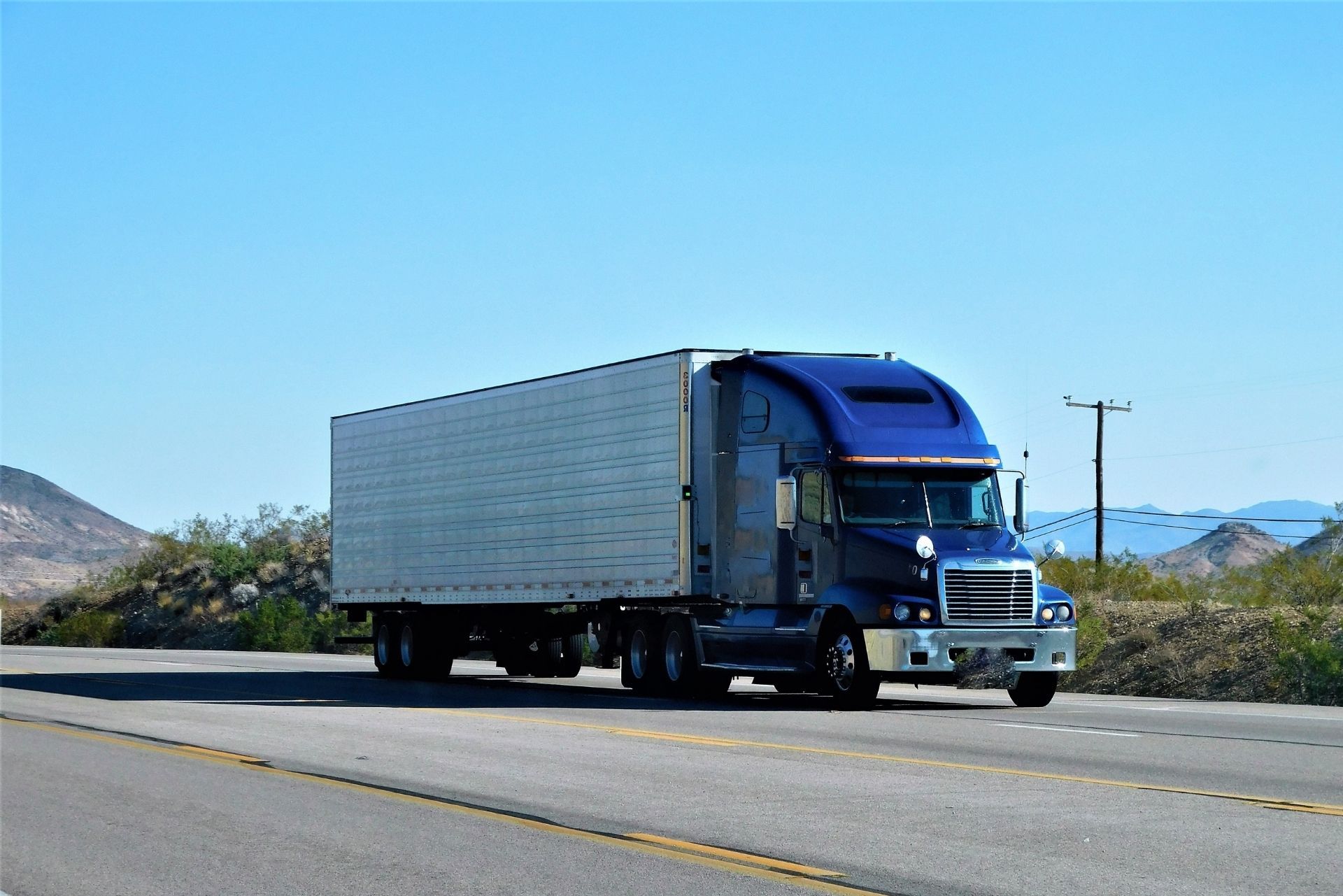
Hot shot trucking insurance premiums can range from $7,000 to $12,000 per unit annually, and Colorado-specific factors often push costs toward the higher end of that range. Understanding what drives your premium helps you make smarter decisions about routes, equipment, and risk management.
Impact of Mountain Driving and Winter Weather Conditions
Colorado's mountain passes, including I-70 through the Eisenhower Tunnel corridor and US-550 over Red Mountain Pass, are among the most hazardous commercial routes in the country. Underwriters know this. If your operating radius includes mountain corridors, expect higher premiums. Colorado's chain law compounds the risk: commercial vehicles must carry and use chains during designated traction conditions, and a statewide fine of $500 plus a $157 surcharge applies for noncompliance. A chain law violation on your record signals risk to insurers, and it can inflate your rates at renewal.
CDL Experience and Safety Fitness Categories (SFC)
Your driving history is the single biggest factor in your premium. Insurers look at years of CDL experience, accident history, and violations. Most carriers want at least two years of verifiable CDL experience before they'll write a policy at standard rates. Drivers with less than a year of experience often face surcharges of 20% to 40%. Your FMCSA safety fitness rating also matters. An "unsatisfactory" rating can make you nearly uninsurable in the standard market, while a "satisfactory" or unrated status keeps more options open.
Specialized Risk Management for Hot Shot Operators
Hot shot trucking carries risks that standard long-haul operations don't always share. The cargo is different, the equipment is lighter, and the timelines are tighter. Your insurance needs to reflect those realities.
Securing Non-Traditional Cargo and Expedited Freight
Hot shot operators frequently haul oilfield equipment, construction materials, auto parts, or other specialized freight that doesn't fit neatly into standard cargo categories. If your cargo policy lists "general commodities" but you're hauling pipe for a drilling operation, you could face a denied claim. Make sure your cargo insurance specifically names the commodity types you regularly transport. Expedited freight adds another wrinkle: tighter delivery windows mean more pressure to drive in marginal conditions. With truck freight volumes expected to grow by 1.6% in 2025, demand for hot shot services is climbing, and so is the exposure.
Trailer Interchange and Rental Equipment Coverage
If you pull trailers owned by someone else, whether through a trailer interchange agreement or a rental, your standard physical damage policy probably won't cover that equipment. Trailer interchange insurance fills this gap, covering damage to a trailer you've agreed to haul under a written interchange agreement. Rental equipment coverage works similarly for short-term trailer or equipment rentals. A common mistake we see is an owner-operator assuming their policy covers any trailer they hook up to. It doesn't. Check your policy declarations page, and if you regularly swap trailers, add the appropriate endorsement before you hook up.
Strategies for Reducing Commercial Insurance Costs
Lowering your premium doesn't mean cutting coverage. Start by increasing your deductibles if you have enough cash reserves to handle a $2,500 or $5,000 out-of-pocket hit on a physical damage claim. Higher deductibles can drop your annual premium by 10% to 15%. Install a dash cam and ELD system. Many insurers offer discounts for telematics data that shows safe driving behavior. Bundle your policies with a single insurer when possible, as packaging auto liability, cargo, and physical damage together often triggers a multi-policy discount.
Get at least three quotes every renewal cycle. Rates vary widely between carriers, and the cheapest option last year might not be the cheapest this year. Work with a broker who specializes in trucking, not a generalist agency that also writes homeowners and auto policies. A trucking-focused broker understands endorsements, filing requirements, and which carriers are actually competitive in Colorado.
Review your policy annually. If your operating radius has changed, your commodity mix has shifted, or you've added a second truck, your policy needs to reflect that. Inaccurate information on your application doesn't just risk a denied claim; it can trigger a premium audit adjustment that hits you with an unexpected bill at year's end.
Frequently Asked Questions
Do I need separate insurance for hot shot trucking versus a standard semi? Yes. Hot shot rigs are rated differently based on vehicle class, trailer type, and cargo. Policies aren't interchangeable between a Class 5 pickup and a Class 8 tractor.
What happens if my Form E filing lapses in Colorado? The PUC can suspend your intrastate authority. You won't be able to legally haul freight until a new filing is accepted, which can take days or weeks.
Is bobtail insurance required by law? It's not federally mandated, but many lease agreements and motor carriers require it. Even if it's not required, driving without a trailer and without coverage is a serious financial risk.
Can I use my personal auto insurance for hot shot hauling? No. Personal auto policies exclude commercial use. If you're hauling freight for hire, you need a commercial policy. A personal insurer will deny any claim tied to business operations.
How do mountain routes affect my insurance rates? Insurers charge more for operators whose radius includes Colorado mountain passes due to higher accident frequency, weather-related claims, and chain law compliance risks.
Making the Right Choice for Your Operation
Your insurance policy is only as good as its fit with your actual operation. A Colorado hot shot or owner-operator trucking insurance package should match your routes, your cargo, your equipment, and your risk tolerance. Don't buy the cheapest policy you can find and hope for the best. Buy the policy that will actually pay when something goes wrong on Loveland Pass in January. Talk to a specialized trucking insurance broker, get multiple quotes, and read your declarations page before you sign. The right coverage keeps you on the road and in business.
About The Author:
Dax Kastrin
As Founder and Agent at ERM Insurance, I’m committed to helping clients understand and manage risk through clear, straightforward coverage solutions. With professional designations as an Accredited Advisor in Insurance (AAI) and Associate in General Insurance (AINS), I focus on delivering dependable protection and personalized service for every individual and business I work with.
Your Business Insurance Solutions

Workers’ Compensation Insurance
Protect your workers from significant financial losses if they are injured or disabled while performing their duties as an employee.

Cyber Liability Insurance
Safeguard your business against financial losses from data breaches, especially those that involve sensitive customer information and other unforeseen cyber events, like cybercrime.

Directors & Officers Liability
Protect your C-suite officers and board members, as well as the companies they represent if they are the subject of a claim or investigation from their duties.

General Liability Insurance
Guard your business against the cost of claims that can be filed due to bodily injury to a third party, damage to third-party property, lawsuits, and more.

Business Owners Insurance
Reduce the cost of premiums by getting a business owner’s insurance, a coverage plan that combines commercial property insurance and general liability insurance.

Commercial Auto Insurance
Guard your business against financial losses from accidents involving company vehicles. Commercial auto insurance provides for bodily injury liability and property damage.

Commercial Property Insurance
Recover from financial losses involving damage to your physical assets, including furniture, physical building, office space, inventory, landscaping and fencing, signage, and more.

Lessor's Risk Insurance
Get coverage for your rental properties. A lessor’s risk insurance covers financial losses from acts of vandalism, litigation costs for lawsuits, theft of property owned by your tenants, and more.

Product Liability Insurance
Protect your companies from claims made against the goods you provide. This covers injuries caused by malfunctions of products, design defects, and more.
Choose Elemental Risk Management Today
Get a Plan Suited to Your Business
ERM assesses the risks that your company faces, as well as your industry, operations, workforce, and more.
Recover Quickly
With business insurance coverage, you’ll bounce back from adverse events that could have left your business on the brink of bankruptcy.
Avoid Overpaying
Through customized solutions, your business will get adequate coverage without unnecessary costs. We’ll keep premiums cost-effective.
Our Testimonials
Hear from our clients
“We recently changed our business insurance after over 20 years, and we couldn't be happier. We didn't realize how poor the service was, how unresponsive, and slow the service was of our previous carrier. Dax and his team have gone above and beyond to answer every question our business had, to ensure that we had the coverage we needed, and fully understood everything we were getting. Not only did we save money, but we have saved a lot of time with the quick responsiveness of this team. They are exceptional. Would Highly recommend, and provide references."
Laura Harrison
May 2021
"I love working with the ERM crew! They are always super inquisitive and willing to learn/ask questions to provide their clients with the best possible insurance solution. I would definitely recommend them to anyone looking for advice on their current policies and coverage."
Nicole Limpert
May 2021
“Elemental Risk Management has been our insurance agent for 2 years now. They are consistently shopping for us to have the very best quality of coverage, as well as the best rates available. They saved our company over $20,000.00 in premiums our first year doing business with them. They are also quick to respond to any need (COI's, accident reporting, etc.). I recommend the team at ERM very highly!
Ramona Mills
June 2021