California General Liability Insurance
8:30am - 5:00pm Mon-Fri
Will Reply in 15min*
Over 180+ commercial clients covered
100% customer satisfaction guaranteed
Over 10 years of business insurance experience
A single slip-and-fall at your job site, a cracked window during a delivery, or a client's laptop destroyed by a spilled coffee: these are the kinds of everyday incidents that can cost a California business thousands of dollars in a matter of hours. General liability insurance exists to absorb that financial shock, and in a state where nuclear verdicts and social inflation continue to push claim costs higher, carrying the right policy isn't optional for most business owners. Whether you run a landscaping crew in Riverside or a consulting firm in San Francisco, understanding your coverage limits, knowing who qualifies as an additional insured, and recognizing what your policy won't cover can mean the difference between a minor inconvenience and a business-ending lawsuit. This guide breaks down everything California business owners need to know about GL insurance in 2026, from the protections built into a standard policy to the real-world costs you should expect to pay.
The Essentials of California General Liability Insurance
A general liability policy is the foundation of commercial insurance for most California businesses. It protects you when a third party, someone who isn't your employee, suffers an injury or property loss connected to your business operations. The standard policy form used across the industry is the ISO CGL (Commercial General Liability) form, and while carriers can modify it, the core structure stays consistent.
Your policy kicks in to pay for legal defense costs, settlements, and court judgments. That's a critical detail many business owners overlook: even if a claim against you is baseless, your insurer still covers the cost of hiring an attorney and fighting it. Defense costs alone can run $10,000 to $50,000 or more before a case ever reaches trial.
Core Protections: Bodily Injury and Property Damage
Bodily injury coverage applies when someone is physically hurt because of your business activities or on your premises. A customer who trips over a power cord in your retail store, a passerby struck by debris from your construction site, or a client who slips on a freshly mopped floor in your office all fall under this category.
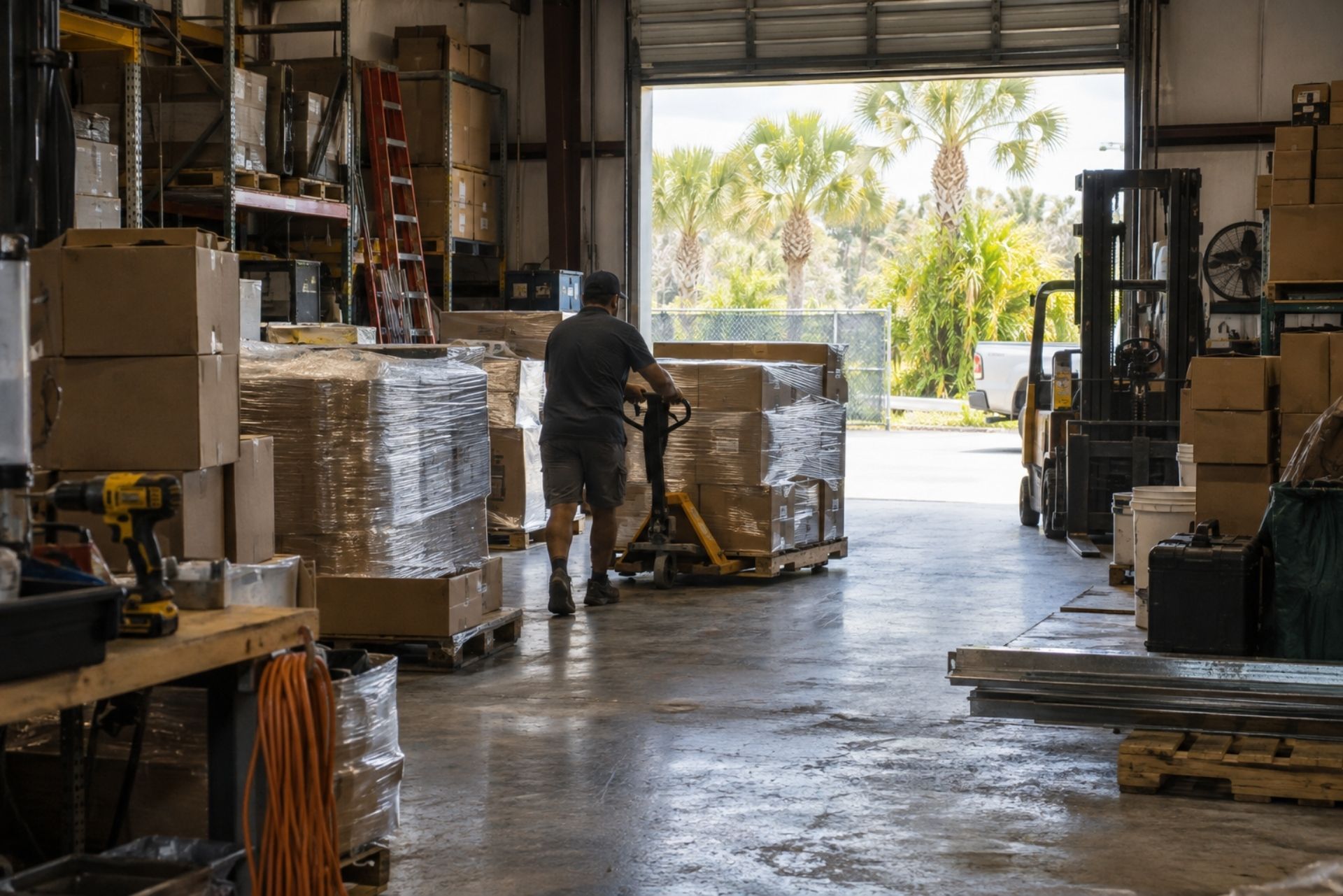
Property damage coverage works the same way but for physical things. If your plumber accidentally floods a client's finished basement, or your moving crew drops a $3,000 television, the GL policy responds. The key requirement is that the damage must be caused by an "occurrence," which the policy defines as an accident, including continuous or repeated exposure to conditions.
Personal and Advertising Injury Coverage
This is the part of GL insurance that most business owners don't know they have until they need it. Personal and advertising injury coverage protects against claims like libel, slander, false arrest, wrongful eviction, and copyright infringement in your advertising.
Picture this: you publish a
social media ad that inadvertently uses a competitor's trademarked slogan. They send a cease-and-desist letter, then file suit. Your GL policy's personal and advertising injury section would cover your defense and any resulting damages. It's a small but meaningful piece of protection in an era where online marketing missteps can trigger fast, expensive legal action.

By: Dax Kastrin
Founder and Agent at ERM Insurance
Determining Coverage Limits and Policy Extensions
Choosing the right coverage limits is one of the most consequential decisions you'll make when buying a policy. Too little coverage leaves you exposed. Too much means you're paying for protection you're unlikely to need.
Per-Occurrence vs. Aggregate Limits
Most California GL policies are structured with two primary limits. The per-occurrence limit is the maximum your insurer will pay for any single claim or incident. The general aggregate limit caps the total amount the insurer will pay during the entire policy period, usually one year.
A standard small business policy carries $1,000,000 per occurrence and $2,000,000 in aggregate. Here's what that looks like in practice: if a client sues you for $800,000 after a slip-and-fall, your policy covers it in full. But if three separate $800,000 claims hit during the same policy year, you'd exhaust your $2,000,000 aggregate after the second claim and be partially uncovered on the third. Businesses with higher risk profiles, like contractors or event companies, often carry $2,000,000/$4,000,000 limits or add an umbrella policy on top.
The Role of Additional Insured Endorsements
If you've ever worked as a subcontractor, you've probably been asked to add someone as an additional insured on your policy. This endorsement extends your GL coverage to another party, typically a general contractor, property owner, or client, so they're protected if a claim arises from your work.
California's construction industry runs on additional insured requirements. A general contractor hiring you to install drywall will almost always require you to name them as an additional insured in your subcontractor insurance agreement before you set foot on the job site. The endorsement doesn't cost you extra coverage dollars; it simply shares your existing protection. That said, it does increase your risk exposure, so make sure the endorsement language matches what's actually required in your contract.
Common Exclusions and Policy Limitations
Every insurance policy is defined as much by what it excludes as by what it covers. Knowing these gaps before you file a claim saves you from ugly surprises.
What General Liability Does Not Cover
Standard GL policies contain a long list of exclusions. The ones that catch California business owners off guard most often include:
- Intentional acts: Deliberate harm or damage is never covered.
- Employee injuries: That's workers' compensation territory, not GL.
- Professional errors: Bad advice, design mistakes, or service failures require a separate professional liability policy.
- Auto-related incidents: Vehicles used for business need commercial auto insurance.
- Pollution and environmental damage: Most policies exclude pollution unless you buy a specific endorsement.
- Your own property: GL covers other people's property, not yours. For your tools, equipment, and inventory, you need inland marine or business property coverage.
California's wildfire exposure adds another wrinkle. Smoke damage to a client's property from a fire your operations started may be covered, but pollution exclusion language can complicate the claim. Read your policy carefully or have your agent walk you through these gray areas.
Comparison: General Liability vs. Professional Liability
These two policies protect against fundamentally different risks, and confusing them is a common mistake.
| General Liability | Professional Liability (E&O) | |
|---|---|---|
| Covers | Bodily injury, property damage, advertising injury | Errors, omissions, negligent advice |
| Trigger | Physical harm or damage from an occurrence | Financial loss from a professional mistake |
| Example | Client trips in your office | Your accounting error costs a client $50,000 |
| Who needs it | Nearly every business | Service-based and professional firms |
| Policy type | Occurrence-based (usually) | Claims-made (usually) |
If you're a contractor, you likely need GL but not professional liability. If you're an architect, you need both. A restaurant? GL is essential, but E&O probably isn't relevant. Match the policy to the risk.
Factors Influencing Insurance Costs in California
The average cost for general liability insurance for a standard small business in California is roughly $45 per month, or about $540 per year. But that number can swing wildly depending on your specific situation.
Your industry classification is the single biggest cost driver. A freelance graphic designer working from a home office might pay $25 per month, while a roofing contractor in Los Angeles could pay $300 or more. Insurers assign class codes based on your trade, and those codes carry preset risk ratings that directly affect your premium.
Other factors that move the needle include your annual revenue, number of employees, claims history, and location within the state. A business in downtown San Francisco faces different liability exposure than one in a rural Central Valley town. California's insurance market has also been tightening, with some carriers pulling back from certain regions or industries, which pushes premiums up for the businesses that remain.
One thing many owners don't anticipate is the premium audit. Your insurer sets your initial premium based on projected revenue and payroll, but at the end of the policy year, they audit your actual numbers. If your revenue came in higher than expected, you'll owe additional premium. If it came in lower, you might get a refund. Accurate projections save you from a surprise bill.
Common Questions About California Business Insurance
FAQ: Do I need insurance if I work from home in California?
Yes. Your homeowner's policy won't cover business-related claims. If a client visits your home office and gets hurt, or if your business activities cause property damage to a neighbor, you need a separate GL policy. Home-based businesses can often get affordable coverage starting around $20 to $30 per month.
FAQ: How much coverage do most small businesses actually carry?
The $1,000,000 per occurrence / $2,000,000 aggregate structure is the industry standard and what most landlords, clients, and contracts require. Some industries, particularly construction, often require higher limits or an umbrella policy to meet contract thresholds.
FAQ: Why does a client want to be listed as an additional insured?
They want protection if your work causes a claim that also names them in the lawsuit. It's standard practice in California's construction and real estate sectors. The endorsement extends your policy's protection to them for liability arising from your operations.
FAQ: Will my policy cover my employees' mistakes?
Your GL policy covers damage or injury your employees cause to third parties while performing their job duties. If your painter splatters a client's hardwood floor, that's covered. But injuries to the employees themselves require workers' compensation insurance, which California mandates for all employers with even one employee.
FAQ: Does this insurance satisfy California state requirements?
California doesn't have a blanket state law requiring general liability insurance for all businesses. However, many local jurisdictions, licensing boards, and contract requirements effectively make it mandatory. Contractors working under a CSLB license, for example, are frequently required to carry GL coverage to bid on projects or maintain their license status.
The Bottom Line for Your Business
General liability insurance in California isn't just a line item on your budget: it's the policy that keeps your business solvent when an accident happens. The core coverage handles bodily injury, property damage, and advertising injury claims, while additional insured endorsements let you meet contract requirements and work with larger companies.
Get clear on your coverage limits, understand what's excluded, and don't assume a $45-per-month average applies to your specific trade. A roofing contractor and a marketing consultant face very different risk profiles, and their premiums reflect that reality.
Review your policy annually, especially if your revenue, headcount, or scope of work has changed. Compare quotes from at least three carriers, and ask your agent specifically about exclusions that could affect your industry. The best time to discover a coverage gap is before you need to file a claim, not after.
About The Author:
Dax Kastrin
As Founder and Agent at ERM Insurance, I’m committed to helping clients understand and manage risk through clear, straightforward coverage solutions. With professional designations as an Accredited Advisor in Insurance (AAI) and Associate in General Insurance (AINS), I focus on delivering dependable protection and personalized service for every individual and business I work with.
Your Business Insurance Solutions

Workers’ Compensation Insurance
Protect your workers from significant financial losses if they are injured or disabled while performing their duties as an employee.

Cyber Liability Insurance
Safeguard your business against financial losses from data breaches, especially those that involve sensitive customer information and other unforeseen cyber events, like cybercrime.

Directors & Officers Liability
Protect your C-suite officers and board members, as well as the companies they represent if they are the subject of a claim or investigation from their duties.

General Liability Insurance
Guard your business against the cost of claims that can be filed due to bodily injury to a third party, damage to third-party property, lawsuits, and more.

Business Owners Insurance
Reduce the cost of premiums by getting a business owner’s insurance, a coverage plan that combines commercial property insurance and general liability insurance.

Commercial Auto Insurance
Guard your business against financial losses from accidents involving company vehicles. Commercial auto insurance provides for bodily injury liability and property damage.

Commercial Property Insurance
Recover from financial losses involving damage to your physical assets, including furniture, physical building, office space, inventory, landscaping and fencing, signage, and more.

Lessor's Risk Insurance
Get coverage for your rental properties. A lessor’s risk insurance covers financial losses from acts of vandalism, litigation costs for lawsuits, theft of property owned by your tenants, and more.

Product Liability Insurance
Protect your companies from claims made against the goods you provide. This covers injuries caused by malfunctions of products, design defects, and more.
Choose Elemental Risk Management Today
Get a Plan Suited to Your Business
ERM assesses the risks that your company faces, as well as your industry, operations, workforce, and more.
Recover Quickly
With business insurance coverage, you’ll bounce back from adverse events that could have left your business on the brink of bankruptcy.
Avoid Overpaying
Through customized solutions, your business will get adequate coverage without unnecessary costs. We’ll keep premiums cost-effective.
Our Testimonials
Hear from our clients
“We recently changed our business insurance after over 20 years, and we couldn't be happier. We didn't realize how poor the service was, how unresponsive, and slow the service was of our previous carrier. Dax and his team have gone above and beyond to answer every question our business had, to ensure that we had the coverage we needed, and fully understood everything we were getting. Not only did we save money, but we have saved a lot of time with the quick responsiveness of this team. They are exceptional. Would Highly recommend, and provide references."
Laura Harrison
May 2021
"I love working with the ERM crew! They are always super inquisitive and willing to learn/ask questions to provide their clients with the best possible insurance solution. I would definitely recommend them to anyone looking for advice on their current policies and coverage."
Nicole Limpert
May 2021
“Elemental Risk Management has been our insurance agent for 2 years now. They are consistently shopping for us to have the very best quality of coverage, as well as the best rates available. They saved our company over $20,000.00 in premiums our first year doing business with them. They are also quick to respond to any need (COI's, accident reporting, etc.). I recommend the team at ERM very highly!
Ramona Mills
June 2021