Microbrewery Insurance in NM, UT, and TX
8:30am - 5:00pm Mon-Fri
Will Reply in 15min*
Over 180+ commercial clients covered
100% customer satisfaction guaranteed
Over 10 years of business insurance experience
Running a
small brewery in the Southwest means juggling fermentation schedules, grain orders, taproom staffing, and a hundred other details before you even think about risk management. But one burst pipe, one contaminated batch, or one slip-and-fall lawsuit can wipe out months of profit overnight. If you're operating or planning to open a craft brewery in New Mexico, Utah, or Texas, understanding your insurance costs and coverage options isn't optional: it's survival. Each of these three states has different alcohol liability laws, different workers' compensation rules, and different regulatory agencies watching your every move. Premiums can range from $5,000 a year for a tiny nanobrewery to $30,000 or more for a mid-size operation with a busy taproom and
statewide distribution. The gap between those numbers comes down to what you brew, where you sell it, and how much protection you actually carry. This guide breaks down the essential policies, state-specific rules, and cost factors that shape
microbrewery insurance in NM, Utah, and Texas so you can make informed decisions before your next renewal.
Essential Insurance Coverages for Microbreweries
Every brewery, regardless of state, needs a core set of policies. Think of these as the foundation: without them, you're one bad day away from closing your doors. Some coverages overlap, and bundling them into a Business Owner's Policy (BOP) can save 10-15% compared to buying each one separately. But not every BOP is built for alcohol producers, so you'll want to confirm your policy explicitly covers brewing operations.
General and Liquor Liability
General liability (GL) protects you if a customer slips on a wet taproom floor or if your delivery driver damages someone's property. Most landlords and event venues require proof of GL before they'll let you pour a single pint. Standard limits sit at $1,000,000 per occurrence and $2,000,000 aggregate.
Liquor liability is a separate beast. It covers claims arising from serving alcohol to someone who later causes harm: a drunk driving accident, an assault, or property damage. New Mexico's third-party liability rules make this a critical policy for any business serving alcohol. If you're pouring in your taproom, hosting events, or offering tastings, you need dedicated liquor liability. Expect to pay $2,500 to $7,000 annually for this policy alone, depending on your state and revenue.
Property and Equipment Breakdown
Your brewhouse, fermenters, glycol chiller, canning line, and walk-in cooler represent a massive capital investment. A standard commercial property policy covers fire, theft, vandalism, and weather damage. But here's a common mistake we see: brewers assume their property policy covers mechanical failure. It doesn't.
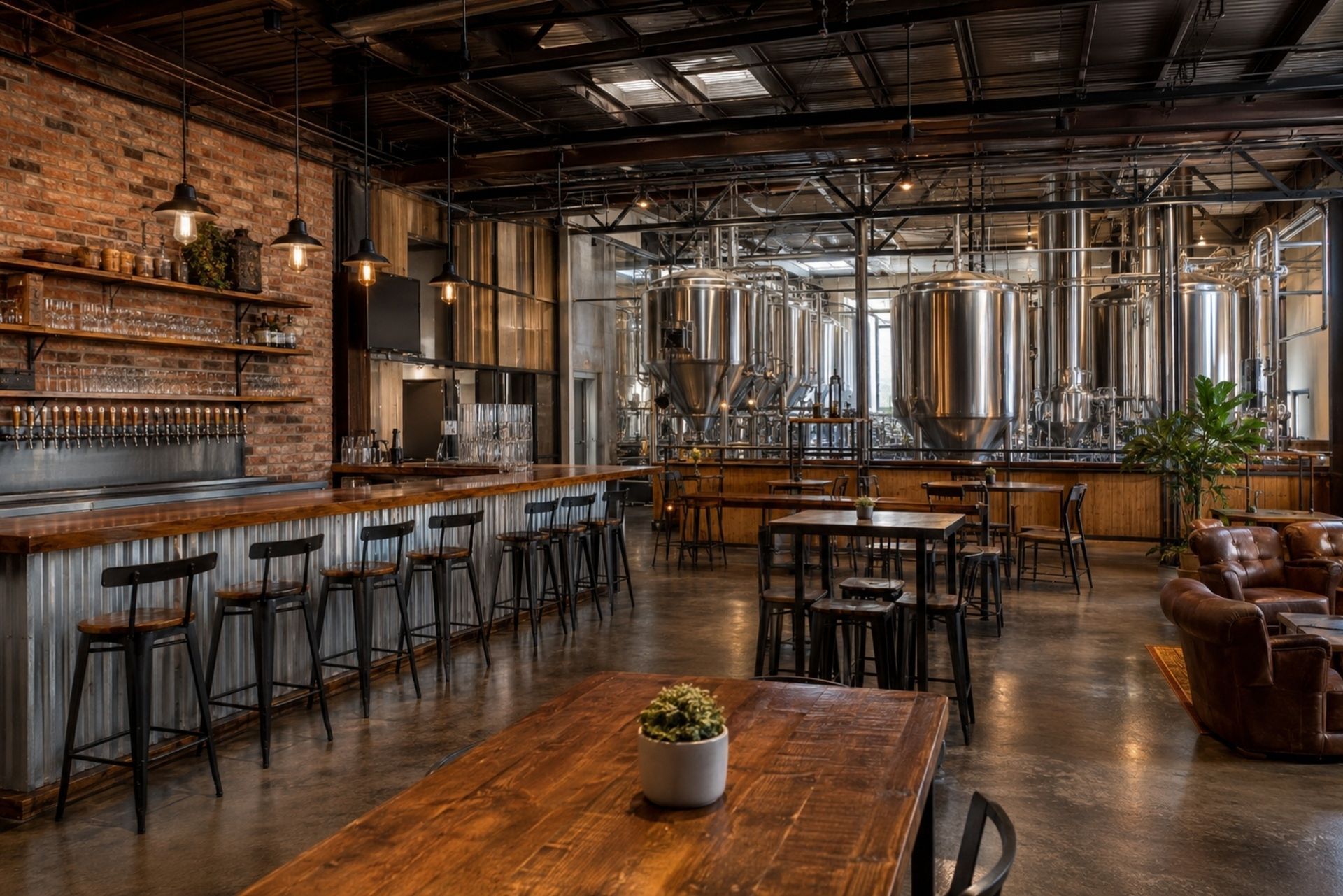
Equipment breakdown coverage (sometimes called boiler and machinery insurance) fills that gap. When your glycol system fails on a 105-degree Texas afternoon and you lose 30 barrels of lager mid-fermentation, this policy pays for the repair and the lost product. Replacement cost for a 10-barrel brewhouse alone can exceed $150,000, so skimping here is risky. Annual premiums for property and equipment breakdown typically run $1,500 to $6,000 based on your total insured value.
Product Recall and Spoilage
A contaminated batch that reaches store shelves creates two problems: the cost of pulling the product and the reputational damage that follows. Product recall insurance covers notification expenses, transportation, disposal, and sometimes the cost of replacement product. Spoilage coverage handles losses from refrigeration failure, power outages, or contamination that ruins inventory still on your premises.
These policies aren't always included in a standard BOP. You'll need to add them as endorsements or buy standalone coverage. For a brewery producing 1,000 to 5,000 barrels annually, recall and spoilage coverage might add $800 to $2,500 per year. That's a small price compared to dumping 50 kegs of sour IPA that went wrong.

By: Dax Kastrin
Founder and Agent at ERM Insurance
State-Specific Requirements and Costs in NM, UT, and TX
Insurance requirements vary sharply across these three states. What's optional in one state may be mandatory in another, and the cost differences reflect local regulations, litigation trends, and market conditions.
New Mexico: Dram Shop Laws and Workers Comp
New Mexico has some of the country's strictest dram shop laws. If your taproom serves a visibly intoxicated patron who later injures someone, your brewery can be held liable. The state's third-party alcohol liability framework means liquor liability insurance isn't just smart: it's essential for survival.
Workers' compensation is mandatory in New Mexico for any business with three or more employees. Brewery workers face risks from hot liquor tanks, chemical cleaners, heavy grain bags, and wet floors. Expect workers' comp premiums of $1.50 to $3.00 per $100 of payroll for production staff, with taproom employees falling slightly lower. A small brewery with $300,000 in annual payroll might pay $5,000 to $9,000 for workers' comp alone
Utah: High Liability Minimums and Control State Rules
Utah stands out because of its strict alcohol control system. The state's Department of Alcoholic Beverage Services (DABS) oversees licensing, and breweries must comply with specific insurance mandates. Utah microbreweries must now carry dramshop insurance coverage of at least $1,000,000 per occurrence and $2,000,000 aggregate: among the highest state-mandated minimums in the region.
Utah's control-state model also affects how you distribute. If you're selling through state-run liquor stores, your product liability exposure shifts compared to self-distribution states. The catch is that Utah's limited number of insurers writing brewery policies can push premiums higher than neighboring states. Budget roughly 15-20% more for comparable coverage than you'd pay in New Mexico or Texas.
Texas: TABC Compliance and Regional Risk Factors
Texas breweries answer to the Texas Alcoholic Beverage Commission (TABC), which requires specific permits for manufacturing, distributing, and selling on-premises. While Texas doesn't mandate liquor liability insurance by statute the way Utah does, most landlords, lenders, and distributors require it contractually.
Regional risk factors play a big role in Texas premiums. A brewery in Houston faces hurricane and flood exposure that a brewery in El Paso doesn't. Hail damage in the Dallas-Fort Worth area can crack skylights and damage rooftop HVAC units. If your property is in a high-wind or flood zone, expect property insurance premiums 25-40% higher than inland locations. Workers' compensation in Texas is technically optional for private employers, but going without it exposes you to direct lawsuits from injured employees with no cap on damages. Most experienced brewery owners carry it anyway.
Comparing Coverage Levels for Craft Brewers
Choosing between basic and expanded coverage isn't just about price: it's about which risks you can afford to absorb and which ones could shut you down. Here's a quick comparison:
| Coverage Area | Basic / Minimum | Expanded / Recommended |
|---|---|---|
| General Liability | $500K per occurrence | $1M/$2M per occurrence/aggregate |
| Liquor Liability | $500K (where not mandated higher) | $1M/$2M or higher |
| Property | Actual cash value | Replacement cost |
| Equipment Breakdown | Not included | Included with $500K+ limit |
| Product Recall | Not included | $100K-$250K limit |
| Umbrella / Excess | None | $1M-$5M |
| Estimated Annual Cost | $5,000-$10,000 | $12,000-$28,000 |
Most breweries we work with land somewhere in the middle. A $1M/$2M GL and liquor liability policy with replacement cost property coverage and an equipment breakdown endorsement gives you solid protection without gold-plating every line item.
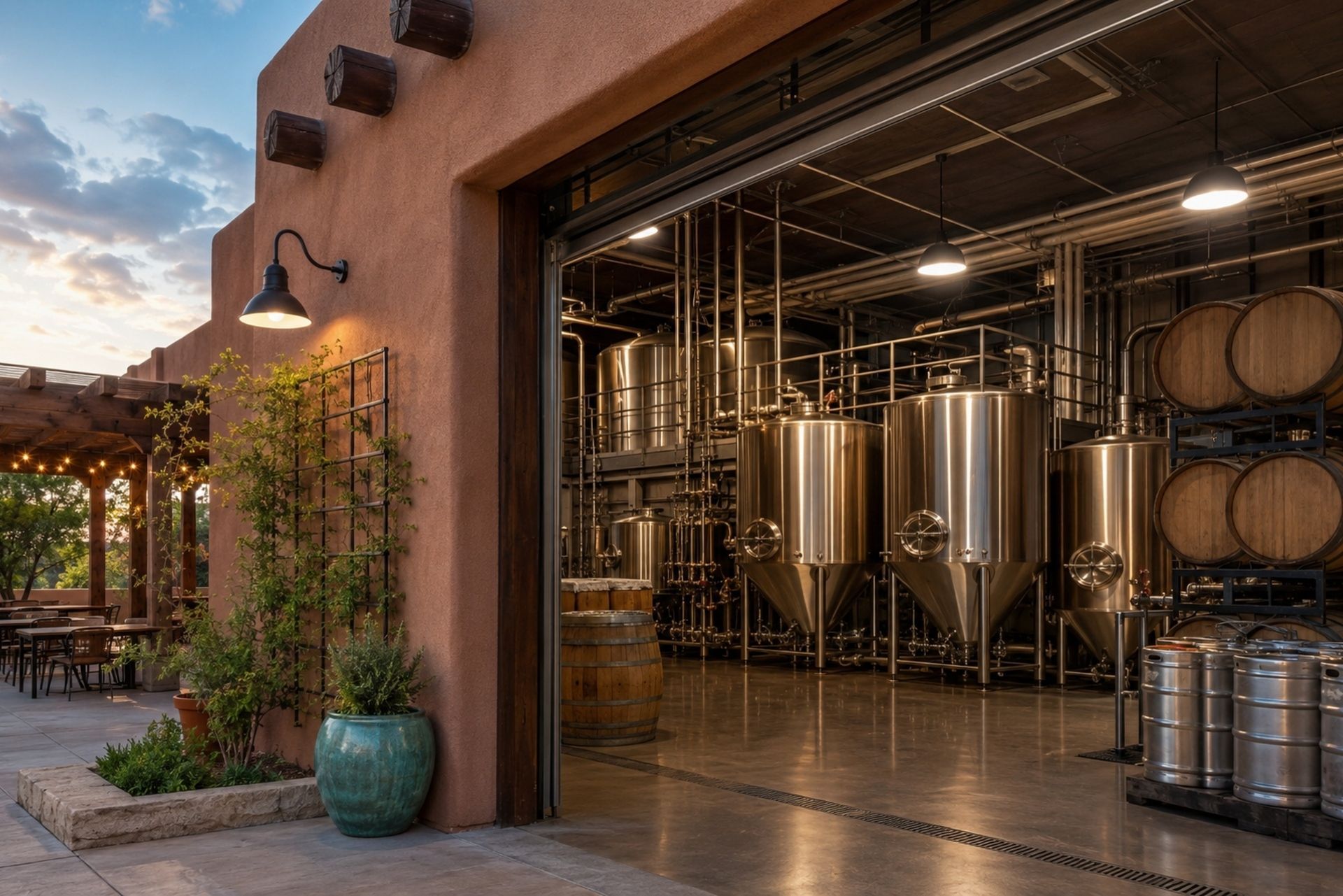
Two breweries in the same city can pay wildly different premiums. Understanding what drives your specific cost helps you control it.
Production Volume and Annual Revenue
Insurers use your barrel count and gross revenue as primary rating factors. A 500-barrel nanobrewery with $200,000 in revenue pays far less than a 5,000-barrel operation pulling in $1.5 million. That's because higher revenue means more transactions, more customer interactions, and more exposure to claims. Most carriers reassess your premium annually through a premium audit, comparing your projected revenue and payroll to actual figures. If you underestimate your revenue at the start of the policy year, expect a bill for the difference when the audit hits.
Taproom Operations vs. Distribution
Running a taproom dramatically changes your risk profile. You're now a hospitality venue with foot traffic, alcohol service, food handling (if you have a kitchen), and potentially live entertainment. Each of those activities adds exposure.
Distribution-only breweries face different risks: product liability from cans and bottles on retail shelves, transit damage, and third-party warehouse concerns. But they avoid the slip-and-fall and dram shop exposure that taproom operators face daily. A brewery that does 70% of its sales through the taproom will typically pay 20-30% more in total premiums than a same-size brewery that only distributes. If you're considering adding a taproom, factor that insurance increase into your pro forma before signing a lease.
Common Questions About Brewery Insurance
Does my homebrewer's insurance cover a commercial operation? No. Homeowner's policies exclude commercial activities. Once you're selling beer, you need commercial general liability, property, and liquor liability at minimum.
Can I bundle all my brewery coverages into one policy? A Business Owner's Policy (BOP) bundles GL and property, but you'll still need separate liquor liability, workers' comp, and likely an umbrella policy. Some carriers offer brewery-specific BOPs that include equipment breakdown.
How does Utah's $1M dramshop requirement affect my costs? It sets a floor. You can't carry less than $1,000,000 per occurrence in dramshop coverage under current Utah law. This pushes premiums higher than states without mandated minimums, but it also means you're better protected if a claim hits.
What happens if I expand distribution to another state? Your product liability policy may need endorsement for multi-state coverage. Each state has different labeling laws, alcohol regulations, and liability standards. Tell your broker before you ship your first case across state lines.
Is commercial auto insurance necessary if I use a personal truck for deliveries? Yes. Personal auto policies exclude commercial use. If you're delivering kegs in your pickup, you need a commercial auto policy or a hired/non-owned auto endorsement on your GL.
How often should I review my brewery insurance? At least once a year, ideally 60-90 days before renewal. Any time you add equipment, expand your taproom, hire staff, or enter a new market, contact your broker.
Getting the right insurance for your brewery in New Mexico, Utah, or Texas starts with understanding your specific risks: not just copying what another brewer carries. Your production volume, taproom setup, distribution footprint, and state regulations all shape what you need and what you'll pay.
Start by requesting quotes from at least three brokers who have experience with craft beverage clients. Ask each one how they handle premium audits, whether they offer brewery-specific BOPs, and how quickly they can issue certificates of insurance (COIs) when a venue or distributor needs one. A broker who takes three weeks to send a COI will cost you business.
Review your policies annually, and don't wait for renewal season to report changes. That new canning line, expanded patio, or second taproom location needs to be on your policy the day it goes live, not six months later when the auditor catches it. The right coverage at the right price exists: you just have to ask the right questions and work with someone who knows the brewing industry.
About The Author:
Dax Kastrin
As Founder and Agent at ERM Insurance, I’m committed to helping clients understand and manage risk through clear, straightforward coverage solutions. With professional designations as an Accredited Advisor in Insurance (AAI) and Associate in General Insurance (AINS), I focus on delivering dependable protection and personalized service for every individual and business I work with.
Your Business Insurance Solutions

Workers’ Compensation Insurance
Protect your workers from significant financial losses if they are injured or disabled while performing their duties as an employee.

Cyber Liability Insurance
Safeguard your business against financial losses from data breaches, especially those that involve sensitive customer information and other unforeseen cyber events, like cybercrime.

Directors & Officers Liability
Protect your C-suite officers and board members, as well as the companies they represent if they are the subject of a claim or investigation from their duties.

General Liability Insurance
Guard your business against the cost of claims that can be filed due to bodily injury to a third party, damage to third-party property, lawsuits, and more.

Business Owners Insurance
Reduce the cost of premiums by getting a business owner’s insurance, a coverage plan that combines commercial property insurance and general liability insurance.

Commercial Auto Insurance
Guard your business against financial losses from accidents involving company vehicles. Commercial auto insurance provides for bodily injury liability and property damage.

Commercial Property Insurance
Recover from financial losses involving damage to your physical assets, including furniture, physical building, office space, inventory, landscaping and fencing, signage, and more.

Lessor's Risk Insurance
Get coverage for your rental properties. A lessor’s risk insurance covers financial losses from acts of vandalism, litigation costs for lawsuits, theft of property owned by your tenants, and more.

Product Liability Insurance
Protect your companies from claims made against the goods you provide. This covers injuries caused by malfunctions of products, design defects, and more.
Choose Elemental Risk Management Today
Get a Plan Suited to Your Business
ERM assesses the risks that your company faces, as well as your industry, operations, workforce, and more.
Recover Quickly
With business insurance coverage, you’ll bounce back from adverse events that could have left your business on the brink of bankruptcy.
Avoid Overpaying
Through customized solutions, your business will get adequate coverage without unnecessary costs. We’ll keep premiums cost-effective.
Our Testimonials
Hear from our clients
“We recently changed our business insurance after over 20 years, and we couldn't be happier. We didn't realize how poor the service was, how unresponsive, and slow the service was of our previous carrier. Dax and his team have gone above and beyond to answer every question our business had, to ensure that we had the coverage we needed, and fully understood everything we were getting. Not only did we save money, but we have saved a lot of time with the quick responsiveness of this team. They are exceptional. Would Highly recommend, and provide references."
Laura Harrison
May 2021
"I love working with the ERM crew! They are always super inquisitive and willing to learn/ask questions to provide their clients with the best possible insurance solution. I would definitely recommend them to anyone looking for advice on their current policies and coverage."
Nicole Limpert
May 2021
“Elemental Risk Management has been our insurance agent for 2 years now. They are consistently shopping for us to have the very best quality of coverage, as well as the best rates available. They saved our company over $20,000.00 in premiums our first year doing business with them. They are also quick to respond to any need (COI's, accident reporting, etc.). I recommend the team at ERM very highly!
Ramona Mills
June 2021