California Data Center and Colocation Insurance
8:30am - 5:00pm Mon-Fri
Will Reply in 15min*
Over 180+ commercial clients covered
100% customer satisfaction guaranteed
Over 10 years of business insurance experience
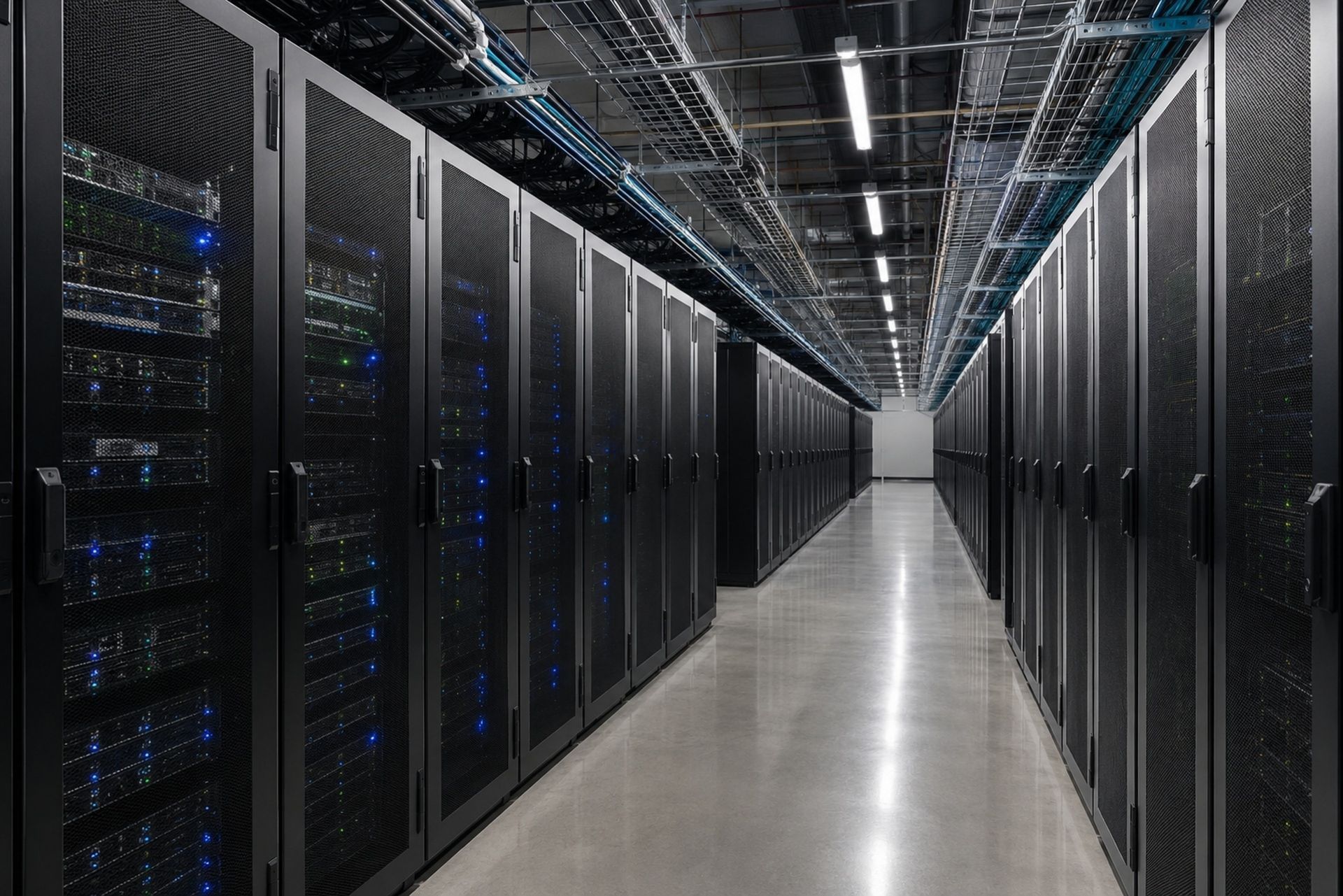
California's data center market is booming, and with that growth comes a unique tangle of insurance challenges you won't find in other states. Between seismic risk, wildfire exposure, strict privacy regulations, and the sheer value of equipment packed into these facilities, a standard commercial policy simply won't cut it. Whether you operate a hyperscale campus in Santa Clara or lease cabinet space in a downtown Los Angeles colocation facility, understanding the right coverage is essential to protecting your business. This guide breaks down the core policies, California-specific risks, and coverage gaps that trip up operators and tenants alike. If you've been quoted a policy and aren't sure what's actually covered, or you're building out a new facility and need to know where your liability starts and ends, the information here will give you a clear framework. We'll cover everything from earthquake endorsements to bailee's coverage for client equipment, so you can make informed decisions instead of guessing your way through a renewal.
Core Insurance Coverages for California Data Centers
A data center's insurance portfolio isn't a single policy. It's a stack of coverages, each addressing a different category of risk. Getting one wrong, or skipping it entirely, can leave you exposed to seven-figure losses. Here's what the foundation looks like for California data center and colocation facility insurance.
General Liability and Cyber Liability
General liability (GL) covers bodily injury and property damage claims that happen on your premises. Think: a vendor trips over cabling in your facility, or a water leak damages a neighboring tenant's property. Most policies carry $1M per occurrence and $2M aggregate limits, though high-traffic facilities often need higher.
Cyber liability is a separate beast. It covers costs tied to data breaches, ransomware attacks, network security failures, and regulatory fines. For a data center, this isn't optional. A single breach affecting client data stored in your racks could trigger notification costs, forensic investigation fees, and legal defense expenses that easily exceed $500,000. Your cyber policy should specifically address third-party data, since you're housing other companies' information, not just your own.
Professional Liability (Errors and Omissions)
If your facility promises 99.99% uptime in its SLA and fails to deliver, professional liability (also called E&O) is the policy that responds. This covers financial losses your clients suffer because of your professional services or failure to perform. A misconfigured network, a botched migration, or an environmental control failure that causes downtime: these are E&O claims, not GL claims.
The distinction matters because GL won't pay for a client's lost revenue. It only covers physical injury or tangible property damage. E&O fills the gap for financial harm caused by your professional mistakes or omissions. Policies typically start at $1M limits, but operators managing mission-critical workloads for enterprise clients should consider $5M or higher.
Commercial Property and Equipment Breakdown
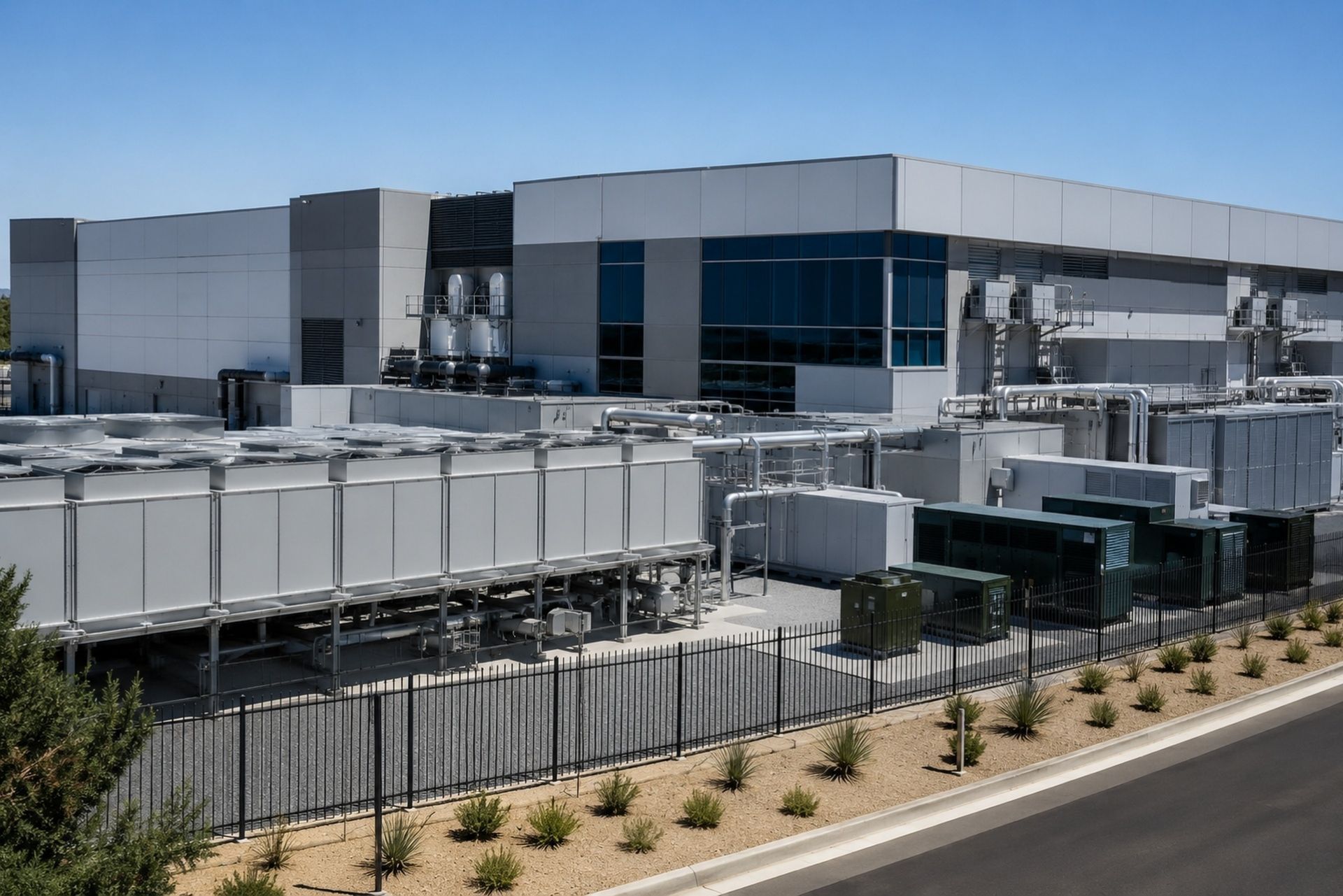
Commercial property insurance covers the building itself, your owned equipment, and business income lost during a covered event. But here's the catch: standard property policies often exclude mechanical or electrical breakdown. A transformer failure, a UPS malfunction, or a chiller compressor burnout won't be covered unless you add an equipment breakdown endorsement.
Given that a single enterprise-grade UPS system can cost $200,000 to $500,000, and a full cooling plant replacement can run into the millions, this endorsement isn't a luxury. It's a necessity. Make sure your policy values reflect replacement cost, not depreciated value, and that your business interruption coverage includes the time needed to source and install specialized equipment.

By: Dax Kastrin
Founder and Agent at ERM Insurance
Comparison: Standard vs. Specialized Data Center Coverage
Table: Coverage Limits and Value Differences
| Coverage Area | Standard Commercial Policy | Specialized Data Center Policy |
|---|---|---|
| Property Valuation | Depreciated value; generic equipment schedules | Replacement cost; server/network-specific valuations |
| Equipment Breakdown | Typically excluded or limited | Included with mechanical/electrical failure coverage |
| Business Interruption | 30-60 day waiting periods common | 24-72 hour waiting periods; extended indemnity periods |
| Cyber Liability | Basic or absent | Third-party data, regulatory fines, breach response |
| Earthquake Coverage | Excluded in standard policies | Available via endorsement or standalone DIC policy |
| Liquid Cooling Risks | Not included | Emerging coverage for high-density cooling systems |
| SLA Penalty Coverage | Not included | Can be endorsed for contractual penalty exposure |
The differences aren't subtle. A standard commercial policy might cover a fire but leave you holding the bag on a $2M cooling system failure. Specialized policies are underwritten by carriers that understand data center operations, and they price risk based on your actual infrastructure rather than generic building classifications.
Addressing California-Specific Risk Factors
California presents a unique combination of natural disaster exposure and regulatory pressure that directly affects how data center insurance is structured and priced.
Earthquake and Seismic Activity Endorsements
Standard commercial property policies in California exclude earthquake damage. Period. You need either a standalone earthquake policy or a Difference in Conditions (DIC) policy to fill this gap. Deductibles for earthquake coverage in California typically run 10% to 15% of the insured value, which means a facility insured for $50M could face a $5M to $7.5M deductible before coverage kicks in.
The natural catastrophe exposure facing digital infrastructure has become a critical pricing factor for underwriters. If your facility sits near a known fault line, expect higher premiums and stricter underwriting requirements. Seismic bracing for racks, raised floor reinforcement, and documented disaster recovery plans can all help reduce your costs.
Wildfire Smoke and Utility Interruption
You don't need to be in the fire's path to suffer losses. Wildfire smoke carries particulate matter that can infiltrate air handling systems and damage sensitive electronics. If your HVAC filtration isn't rated for smoke events, you could face equipment degradation and warranty voidance.
Utility interruption is the other wildfire risk. California's Public Safety Power Shutoffs (PSPS) can cut grid power to entire regions during high fire-risk conditions. The California Department of Insurance has been actively addressing insurer conduct around wildfire-related claims and coverage availability. Your business interruption policy should explicitly cover utility service interruption, including voluntary shutoffs by the utility provider. Many standard policies only cover interruption caused by direct physical damage, which PSPS events aren't.
California Consumer Privacy Act (CCPA) Compliance
California's CCPA gives consumers the right to sue for data breaches involving their personal information, with statutory damages of $100 to $750 per consumer per incident. For a data center housing millions of records across multiple clients, the math gets ugly fast.
Your cyber liability policy needs to specifically address CCPA regulatory defense costs and statutory penalties. Not all cyber policies do. Some exclude regulatory fines entirely, or cap them at a fraction of the overall policy limit. Review the policy language carefully, and make sure "regulatory proceedings" includes state-level actions under CCPA, not just federal regulations.
Colocation-Specific Liability and Bailee's Coverage
Colocation operators face a liability question that doesn't apply to enterprise-owned facilities: you're holding other people's property. When a client installs $500,000 worth of servers in your cages, your standard property policy won't cover their equipment. That's where bailee's coverage comes in.
Bailee's insurance protects property that's in your care, custody, or control but owned by someone else. If a pipe bursts and destroys a client's hardware, or a fire damages equipment in a leased cabinet, bailee's coverage responds. Without it, you're personally liable for the replacement cost, and your client's own property policy may subrogate against you.
One emerging risk worth watching: liquid-related losses now represent 24% of total data center loss costs as AI workloads drive the adoption of high-density liquid cooling systems. If you're introducing liquid cooling into a colocation environment, your bailee's policy and your property policy both need to account for this exposure. Traditional water damage exclusions could leave you uncovered.
Colocation tenants also need their own coverage. Your
obligations as a colocation tenant differ significantly from those of a facility operator, and your landlord's policy won't protect your business interests. Tenants should carry their own property, cyber, and business interruption policies.
Common Questions About California Tech Insurance
FAQ: What does insurance actually cover if a server fails? If we lease space in a building, do we still need property insurance? How does California law change our cyber liability needs? Why is professional liability different from general liability? Does standard insurance cover power outages?
What does insurance actually cover if a server fails? If the failure is caused by a covered peril like fire, electrical surge, or mechanical breakdown (with the right endorsement), your property or equipment breakdown policy pays for repair or replacement. If the server simply reaches end-of-life and stops working, that's not a covered loss.
If we lease space in a building, do we still need property insurance? Yes. Your landlord's policy covers the building structure, not your equipment inside it. You need a tenant's property policy covering your servers, networking gear, and any improvements you've made to the leased space.
How does California law change our cyber liability needs? CCPA creates a private right of action for data breaches, meaning individual consumers can sue you directly. This exposure doesn't exist in most other states, and it makes California-compliant cyber coverage a hard requirement rather than a nice-to-have.
Why is professional liability different from general liability? GL covers physical injury and property damage. Professional liability covers financial losses caused by your errors, omissions, or failure to deliver contracted services. If your cooling system fails and a client loses $200,000 in revenue, that's a professional liability claim.
Does standard insurance cover power outages?
Usually not. Standard business interruption policies require direct physical damage to trigger coverage. A grid outage or PSPS event isn't physical damage to your property. You need a utility service interruption endorsement, and California operators should also verify that
Title 24 energy compliance requirements don't create additional gaps in their backup power systems.
The Bottom Line for Data Center Operators
California data center insurance isn't something you can set up once and forget. The risk profile changes as you add liquid cooling, onboard new colocation tenants, or expand into regions with higher seismic or wildfire exposure. Annual policy reviews are critical, especially given how quickly the insurance market is responding to evolving data center risks around AI infrastructure and climate volatility.
Get quotes from brokers who specialize in technology and data center risks, not generalists. Ask specifically about earthquake deductibles, CCPA coverage carve-outs, and bailee's limits. Compare at least three proposals side by side, and pay close attention to exclusions rather than just headline limits.
Your facility is only as resilient as the insurance backing it. A $50M building with a $1M policy and a standard exclusion list isn't protected. It's just expensive. Take the time to build a coverage stack that matches your actual exposure, and revisit it every year.
About The Author:
Dax Kastrin
As Founder and Agent at ERM Insurance, I’m committed to helping clients understand and manage risk through clear, straightforward coverage solutions. With professional designations as an Accredited Advisor in Insurance (AAI) and Associate in General Insurance (AINS), I focus on delivering dependable protection and personalized service for every individual and business I work with.
Your Business Insurance Solutions

Workers’ Compensation Insurance
Protect your workers from significant financial losses if they are injured or disabled while performing their duties as an employee.

Cyber Liability Insurance
Safeguard your business against financial losses from data breaches, especially those that involve sensitive customer information and other unforeseen cyber events, like cybercrime.

Directors & Officers Liability
Protect your C-suite officers and board members, as well as the companies they represent if they are the subject of a claim or investigation from their duties.

General Liability Insurance
Guard your business against the cost of claims that can be filed due to bodily injury to a third party, damage to third-party property, lawsuits, and more.

Business Owners Insurance
Reduce the cost of premiums by getting a business owner’s insurance, a coverage plan that combines commercial property insurance and general liability insurance.

Commercial Auto Insurance
Guard your business against financial losses from accidents involving company vehicles. Commercial auto insurance provides for bodily injury liability and property damage.

Commercial Property Insurance
Recover from financial losses involving damage to your physical assets, including furniture, physical building, office space, inventory, landscaping and fencing, signage, and more.

Lessor's Risk Insurance
Get coverage for your rental properties. A lessor’s risk insurance covers financial losses from acts of vandalism, litigation costs for lawsuits, theft of property owned by your tenants, and more.

Product Liability Insurance
Protect your companies from claims made against the goods you provide. This covers injuries caused by malfunctions of products, design defects, and more.
Choose Elemental Risk Management Today
Get a Plan Suited to Your Business
ERM assesses the risks that your company faces, as well as your industry, operations, workforce, and more.
Recover Quickly
With business insurance coverage, you’ll bounce back from adverse events that could have left your business on the brink of bankruptcy.
Avoid Overpaying
Through customized solutions, your business will get adequate coverage without unnecessary costs. We’ll keep premiums cost-effective.
Our Testimonials
Hear from our clients
“We recently changed our business insurance after over 20 years, and we couldn't be happier. We didn't realize how poor the service was, how unresponsive, and slow the service was of our previous carrier. Dax and his team have gone above and beyond to answer every question our business had, to ensure that we had the coverage we needed, and fully understood everything we were getting. Not only did we save money, but we have saved a lot of time with the quick responsiveness of this team. They are exceptional. Would Highly recommend, and provide references."
Laura Harrison
May 2021
"I love working with the ERM crew! They are always super inquisitive and willing to learn/ask questions to provide their clients with the best possible insurance solution. I would definitely recommend them to anyone looking for advice on their current policies and coverage."
Nicole Limpert
May 2021
“Elemental Risk Management has been our insurance agent for 2 years now. They are consistently shopping for us to have the very best quality of coverage, as well as the best rates available. They saved our company over $20,000.00 in premiums our first year doing business with them. They are also quick to respond to any need (COI's, accident reporting, etc.). I recommend the team at ERM very highly!
Ramona Mills
June 2021