Colorado Apartment Building Insurance
8:30am - 5:00pm Mon-Fri
Will Reply in 15min*
Over 180+ commercial clients covered
100% customer satisfaction guaranteed
Over 10 years of business insurance experience
Owning an apartment building in Colorado means dealing with a unique mix of financial rewards and environmental hazards that most other states simply don't present. Between wildfire seasons that seem to stretch longer each year, hailstorms that can shred a roof in minutes, and a rental market that keeps attracting new investors, the stakes around insuring your property have never been higher. Colorado has seen a
100.8% cumulative increase in property insurance premiums over the past five years, leading the entire nation in rate hikes. That stat alone should tell you how much the insurance environment here has shifted. If you own or plan to buy a multi-family property along the Front Range, in mountain communities, or anywhere in between, understanding your coverage options isn't optional. It's the difference between a protected investment and a financial disaster waiting to happen. The right insurance for apartment buildings in Colorado isn't just about checking a box for your lender. It's about structuring a policy that accounts for real risks, from burst pipes in aging Denver buildings to wildfire exposure near Colorado Springs. This guide breaks down what you need, what you're likely overpaying for, and where gaps tend to hide in standard policies.
Essential Coverage for Colorado Multi-Family Properties
Every apartment building policy starts with a few core components. Skip any one of them, and you're leaving yourself exposed to losses that could wipe out years of rental income. The three pillars of any solid policy are property coverage, liability protection, and loss of income coverage. We'll break each one down, but the key takeaway is this: a bare-bones policy might satisfy your mortgage lender, but it won't protect your actual financial position when something goes wrong.
Colorado's insurance market has been shifting rapidly as carriers reassess risk across the state. Some insurers have pulled back from high-risk ZIP codes entirely. That means fewer options in certain areas, and the policies that are available often come with higher deductibles or more exclusions than they did even two years ago. Knowing what each coverage component does helps you negotiate smarter and avoid paying for things you don't need while missing things you do.
Commercial Property Insurance and Replacement Cost
Commercial property insurance covers the physical structure of your building, including walls, roofing, plumbing, HVAC systems, and any fixtures you own. The critical distinction here is between actual cash value and replacement cost. Actual cash value pays you what the building is worth after depreciation, which on a 30-year-old property could leave you hundreds of thousands of dollars short of what it costs to rebuild. Replacement cost coverage pays what it actually takes to rebuild the structure at current material and labor prices.
In Colorado, where construction costs have climbed steadily, replacement cost is almost always the better choice. A 20-unit building that cost $2.5 million to build a decade ago might cost $3.8 million to rebuild today. Make sure your policy limits reflect current replacement costs, not the purchase price or the assessed value.
General Liability for Landlords
General liability protects you when someone gets injured on your property or when your property causes damage to someone else's. Think about a tenant slipping on icy stairs in January, or a visitor tripping over a broken sidewalk. A standard policy typically starts at $1 million per occurrence with a $2 million aggregate, but larger buildings or those in high-traffic areas may need higher limits.
One mistake we see often: landlords assuming their liability coverage extends to contractor injuries during renovations. It doesn't. If you're hiring crews for upgrades, make sure they carry their own coverage and that you're listed as an additional insured on their policy.
Loss of Rental Income Protection
If a covered event, like a fire or major storm, makes your building uninhabitable, loss of rental income coverage replaces the rent you'd normally collect during repairs. For a 15-unit building averaging $1,800 per unit, that's $27,000 per month you'd lose without this coverage. Repairs after a significant fire can take six to twelve months, so the numbers add up fast.
Most policies cap this coverage at 12 months, but some offer extensions. Pay attention to the waiting period too. Some policies don't kick in until 72 hours after the loss event.

By: Dax Kastrin
Founder and Agent at ERM Insurance
Addressing Colorado-Specific Environmental Risks
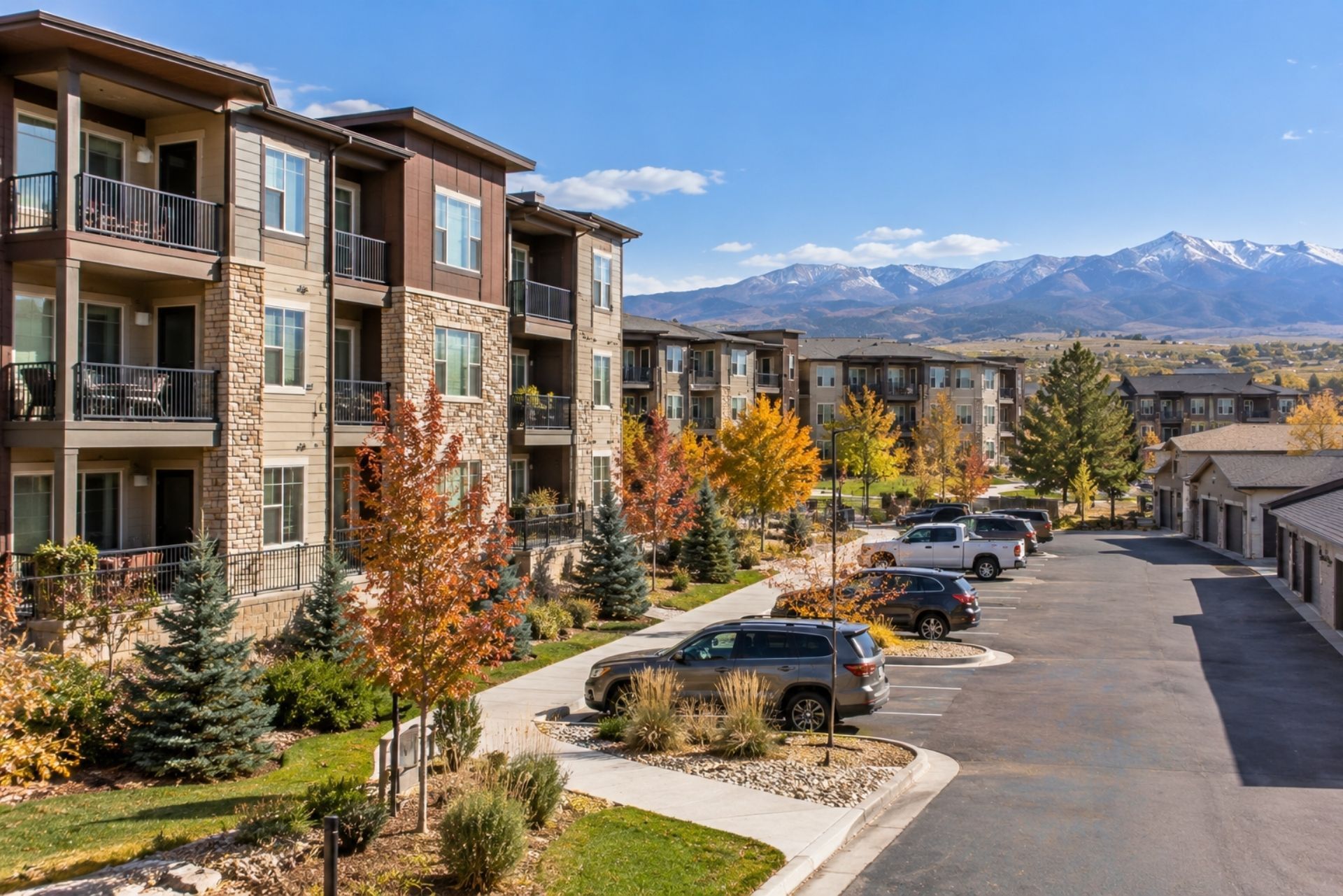
Colorado's geography creates a set of hazards that landlords in most other states don't face at the same intensity. Wildfire, hail, and severe wind events are the big three, and each one requires specific attention in your policy. Standard coverage often falls short in these areas, which is exactly where Colorado property owners get caught off guard.
The state's ongoing legislative efforts to control insurance costs reflect just how serious the problem has become. New regulations in 2025 and 2026 have pushed for more transparency in rate-setting, but premiums remain high in wildfire-prone and hail-prone zones.
Wildfire Mitigation and Coverage Limits
If your apartment building sits in or near a wildfire-urban interface zone, your insurance options shrink considerably. Many carriers now require documented wildfire mitigation efforts before they'll even offer a quote. That means defensible space around the building, fire-resistant roofing materials, and sometimes upgraded sprinkler systems.
Even with mitigation in place, wildfire coverage limits can be lower than you'd expect. Some policies cap wildfire-related claims separately from other perils, and deductibles for wildfire events are often higher, sometimes 5% of the insured value rather than a flat dollar amount. If your building is insured for $4 million, that's a $200,000 deductible. Read the wildfire-specific provisions carefully before you sign.
Hail and Severe Storm Endorsements
Colorado's Front Range is one of the most hail-prone regions in the country. A single severe hailstorm can cause roof damage across dozens of properties simultaneously, which is exactly why insurers have become aggressive about hail-related exclusions and deductibles. Many policies now include separate hail deductibles, often ranging from 1% to 5% of the building's insured value.
Wind-driven rain endorsements are another area to watch. Standard policies may exclude water damage caused by wind unless you've added a specific endorsement. If your building has flat roofing sections, this is especially important since flat roofs are more vulnerable to pooling water after storm damage compromises the membrane.
Comparing Basic vs. Comprehensive Policy Features
Not all apartment building policies are created equal. The difference between a basic named-peril policy and a comprehensive special form policy can mean the difference between a covered claim and an out-of-pocket disaster. Understanding these two tiers helps you decide how much protection your investment actually needs.
A basic form policy, sometimes called a named-peril policy, only covers events specifically listed in the policy. If the cause of damage isn't on the list, you're on your own. A special form policy flips the script: it covers everything unless it's specifically excluded. That distinction matters more than most landlords realize, especially in a state where unusual weather events are becoming more common.
Comparison Chart: Basic Form vs. Special Form Coverage
| Feature | Basic (Named Peril) | Special Form (Open Peril) |
|---|---|---|
| Fire and Lightning | Covered | Covered |
| Hail and Windstorm | Covered | Covered |
| Water Damage (non-flood) | Often excluded | Typically covered |
| Theft and Vandalism | May be excluded | Covered unless excluded |
| Weight of Ice/Snow | Often excluded | Typically covered |
| Accidental Discharge (pipes) | Excluded | Covered |
| Collapse | Excluded | Covered with conditions |
| Typical Annual Cost (per unit) | $800 - $1,400 | $1,200 - $2,200 |
| Deductible Structure | Flat dollar amount | Flat or percentage-based |
For most Colorado apartment buildings, the special form policy is worth the extra cost. The gap in coverage between the two tiers is where expensive claims live, particularly water damage from burst pipes and snow load issues that basic policies tend to exclude.
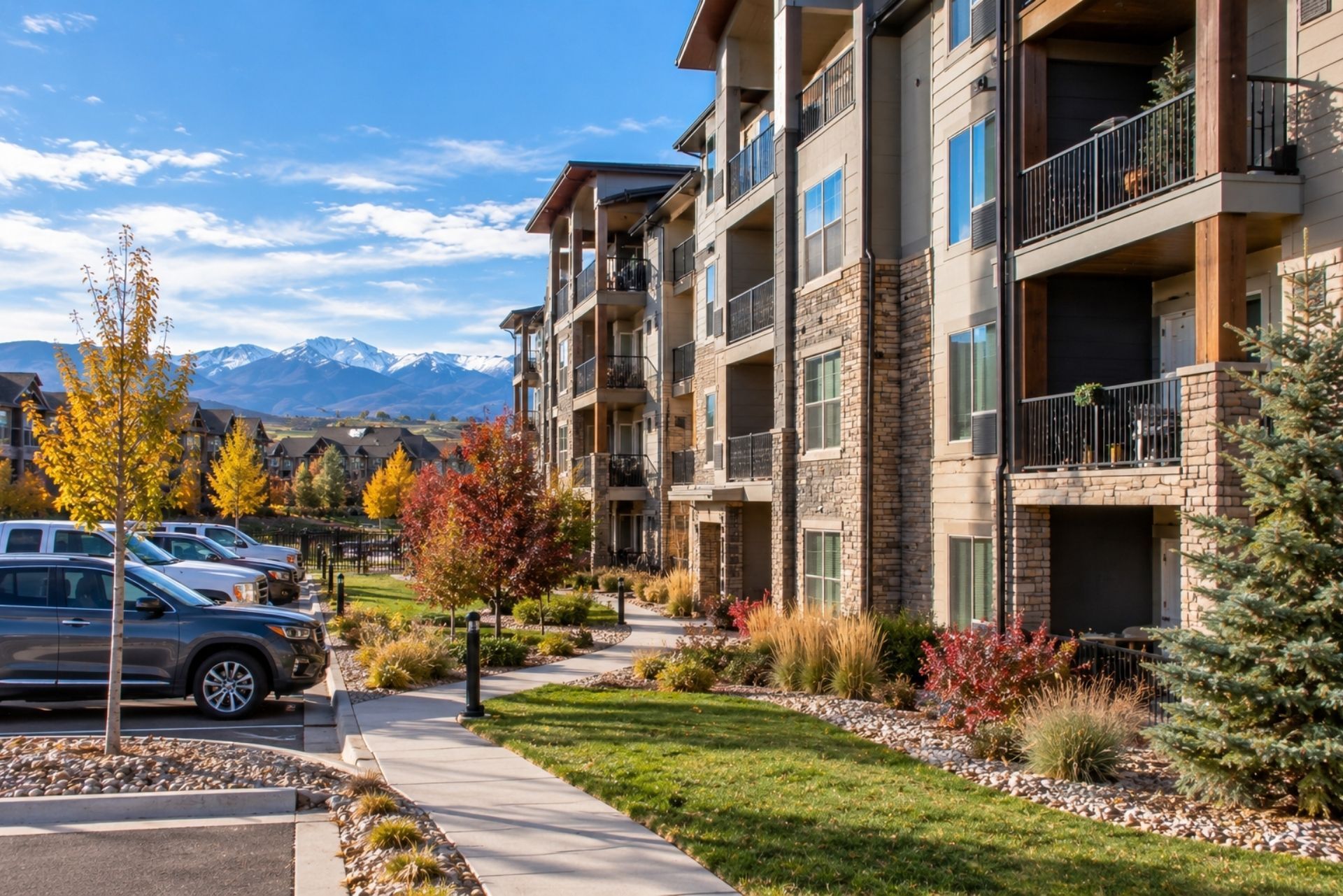
Your premium isn't just a reflection of your building's value. Insurers look at a long list of variables when pricing apartment building insurance in Colorado, and some of them are within your control. Understanding what drives your rate helps you make targeted improvements that actually lower your costs rather than guessing at what might help.
The commercial property insurance market in 2026 shows signs of stabilizing after several years of sharp increases, but Colorado remains a challenging state for underwriters. Carriers are looking closely at building-specific risk factors when deciding whether to offer coverage and at what price.
Building Age and Plumbing/Electrical Updates
Older buildings carry higher premiums, but the age itself isn't the whole story. What insurers really care about is the condition of major systems. A 1970s building with original galvanized plumbing and a Federal Pacific electrical panel is a claim waiting to happen. Burst pipes and electrical fires are among the most common and expensive claims on apartment buildings.
If you've updated plumbing to PEX or copper and replaced the electrical panel within the last 10 years, make sure your insurer knows. These updates can reduce your premium by 10% to 20%. Keep documentation of all major system upgrades, including permits and contractor invoices, so you can provide proof during the underwriting process.
Safety Features and Security Systems
Smoke detectors, sprinkler systems, monitored fire alarms, and security cameras all signal lower risk to insurers. A building-wide sprinkler system alone can reduce your premium by 15% or more. Gated access, well-lit parking areas, and deadbolt locks on every unit also factor into the equation.
One often-overlooked detail: the distance from your building to the nearest fire station and fire hydrant. Buildings more than five miles from a fire station or without a hydrant within 1,000 feet may face surcharges. This isn't something you can change, but it's worth knowing when you're evaluating a potential acquisition.
Common Questions About Colorado Apartment Insurance
Property owners shopping for coverage tend to ask the same questions, and the answers aren't always straightforward. Here are the ones we hear most often.
FAQ: Coverage Limits, Deductibles, and Tenant Requirements
Q: How much coverage do I need for my apartment building? Your coverage limit should match the full replacement cost of the building, not the market value or purchase price. Get a replacement cost estimate from a qualified appraiser or your insurance agent every two to three years.
Q: Can I require tenants to carry renter's insurance? Yes. Colorado law allows landlords to require renter's insurance as a lease condition. This protects tenants' personal property and provides them with liability coverage, which reduces claims against your policy.
Q: What's a typical deductible for a Colorado apartment building policy? Flat deductibles usually range from $2,500 to $10,000 for standard perils. Hail and wind deductibles are often percentage-based, typically 1% to 5% of the insured value. Colorado's changing insurance regulations may affect how deductibles are structured going forward.
Q: Does my policy cover flooding from heavy rain? No. Standard commercial property policies exclude flood damage. You'll need a separate flood policy, especially if your building is in or near a floodplain. Even properties outside designated flood zones can flood during heavy rain events.
Q: How often should I review my apartment building policy? At least once a year, and always after major renovations, tenant turnover changes, or significant weather events in your area. Premium audits can also trigger adjustments if your reported income or occupancy has changed.
Q: Are earthquake or earth movement claims covered?
Colorado does experience minor seismic activity, and earth movement from mining operations is a real concern in some areas. Standard policies exclude earthquake damage, so you'd need a separate endorsement if this risk applies to your location.
Making the Right Choice for Your Investment
Protecting a Colorado apartment building takes more than picking the cheapest policy available. The combination of rising premiums, aggressive weather patterns, and tightening carrier appetites means you need to be strategic about what you buy and who you buy it from. Start by getting a current replacement cost estimate for your building. Then compare at least three quotes from carriers experienced with Colorado multi-family properties, paying close attention to hail deductibles, wildfire provisions, and water damage coverage.
Review your policy annually, document every building improvement, and require renter's insurance from your tenants. These steps won't eliminate risk, but they'll put you in the strongest position possible when a claim hits. If you're unsure where gaps exist in your current coverage, work with a broker who specializes in commercial property rather than a generalist agent. The difference in expertise shows up when you need it most: at claim time.
About The Author:
Dax Kastrin
As Founder and Agent at ERM Insurance, I’m committed to helping clients understand and manage risk through clear, straightforward coverage solutions. With professional designations as an Accredited Advisor in Insurance (AAI) and Associate in General Insurance (AINS), I focus on delivering dependable protection and personalized service for every individual and business I work with.
Your Business Insurance Solutions

Workers’ Compensation Insurance
Protect your workers from significant financial losses if they are injured or disabled while performing their duties as an employee.

Cyber Liability Insurance
Safeguard your business against financial losses from data breaches, especially those that involve sensitive customer information and other unforeseen cyber events, like cybercrime.

Directors & Officers Liability
Protect your C-suite officers and board members, as well as the companies they represent if they are the subject of a claim or investigation from their duties.

General Liability Insurance
Guard your business against the cost of claims that can be filed due to bodily injury to a third party, damage to third-party property, lawsuits, and more.

Business Owners Insurance
Reduce the cost of premiums by getting a business owner’s insurance, a coverage plan that combines commercial property insurance and general liability insurance.

Commercial Auto Insurance
Guard your business against financial losses from accidents involving company vehicles. Commercial auto insurance provides for bodily injury liability and property damage.

Commercial Property Insurance
Recover from financial losses involving damage to your physical assets, including furniture, physical building, office space, inventory, landscaping and fencing, signage, and more.

Lessor's Risk Insurance
Get coverage for your rental properties. A lessor’s risk insurance covers financial losses from acts of vandalism, litigation costs for lawsuits, theft of property owned by your tenants, and more.

Product Liability Insurance
Protect your companies from claims made against the goods you provide. This covers injuries caused by malfunctions of products, design defects, and more.
Choose Elemental Risk Management Today
Get a Plan Suited to Your Business
ERM assesses the risks that your company faces, as well as your industry, operations, workforce, and more.
Recover Quickly
With business insurance coverage, you’ll bounce back from adverse events that could have left your business on the brink of bankruptcy.
Avoid Overpaying
Through customized solutions, your business will get adequate coverage without unnecessary costs. We’ll keep premiums cost-effective.
Our Testimonials
Hear from our clients
“We recently changed our business insurance after over 20 years, and we couldn't be happier. We didn't realize how poor the service was, how unresponsive, and slow the service was of our previous carrier. Dax and his team have gone above and beyond to answer every question our business had, to ensure that we had the coverage we needed, and fully understood everything we were getting. Not only did we save money, but we have saved a lot of time with the quick responsiveness of this team. They are exceptional. Would Highly recommend, and provide references."
Laura Harrison
May 2021
"I love working with the ERM crew! They are always super inquisitive and willing to learn/ask questions to provide their clients with the best possible insurance solution. I would definitely recommend them to anyone looking for advice on their current policies and coverage."
Nicole Limpert
May 2021
“Elemental Risk Management has been our insurance agent for 2 years now. They are consistently shopping for us to have the very best quality of coverage, as well as the best rates available. They saved our company over $20,000.00 in premiums our first year doing business with them. They are also quick to respond to any need (COI's, accident reporting, etc.). I recommend the team at ERM very highly!
Ramona Mills
June 2021