California Electronics Manufacturing Insurance
8:30am - 5:00pm Mon-Fri
Will Reply in 15min*
Over 180+ commercial clients covered
100% customer satisfaction guaranteed
Over 10 years of business insurance experience
California's electronics manufacturing sector carries risks you won't find in most other industries. Between sensitive cleanroom environments, volatile chemical processes, and components worth millions sitting on a single production line, the insurance needs here are specific and high-stakes. A single contamination event in a semiconductor fab can wipe out an entire production run, and a standard commercial policy won't cover that loss. This guide to California electronics manufacturing insurance coverage breaks down what you actually need, what the state requires, and where most facility owners leave money on the table. Whether you're running a small PCB assembly shop in San Jose or a mid-size contract manufacturer in Irvine, the right coverage structure can mean the difference between surviving a major claim and shutting your doors. We've seen too many operators assume their general business policy handles everything, only to discover gaps after a loss. The stakes are too high for guesswork, and California's regulatory environment adds layers of complexity that don't exist in other states.
Essential Insurance for California's Electronics Industry
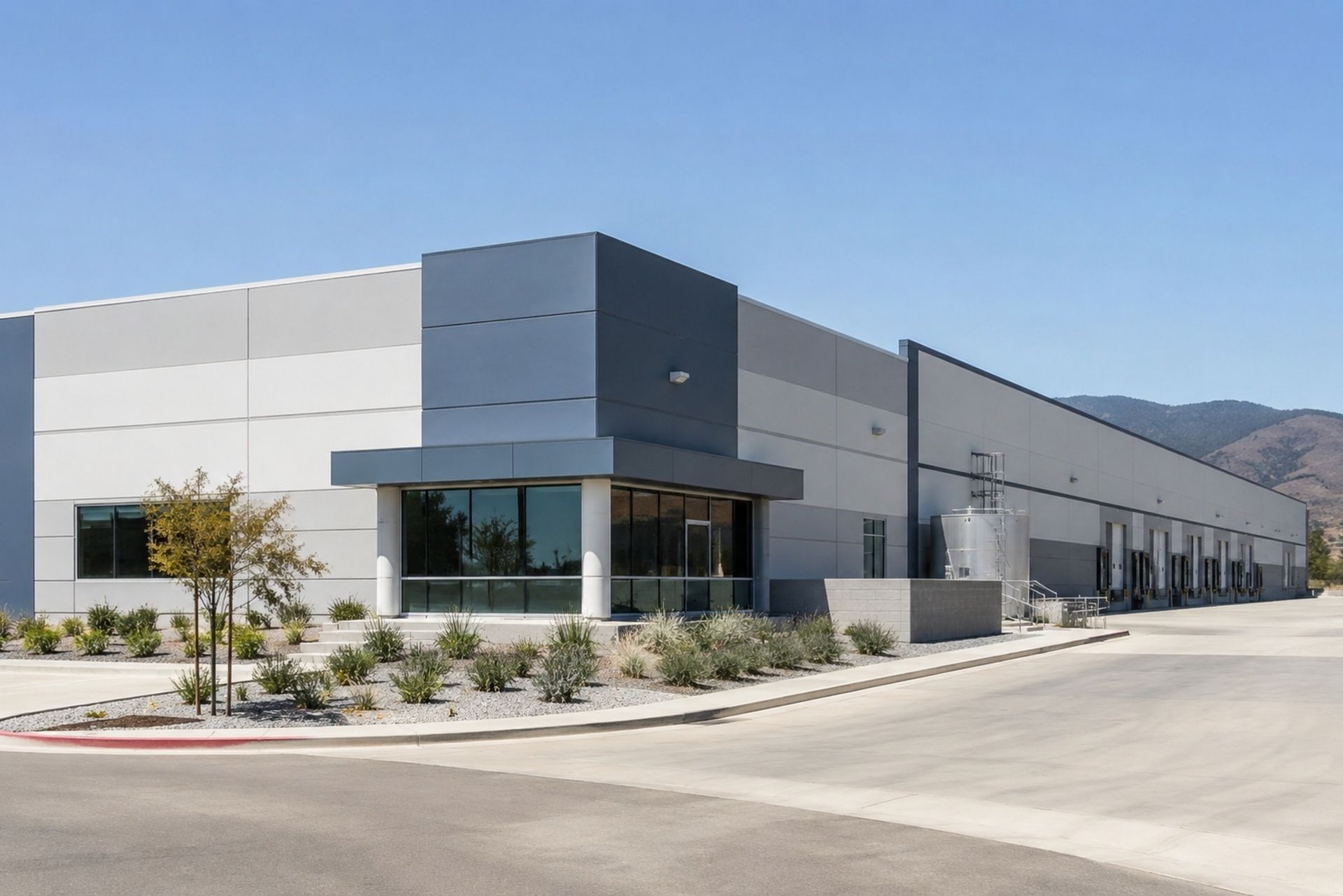
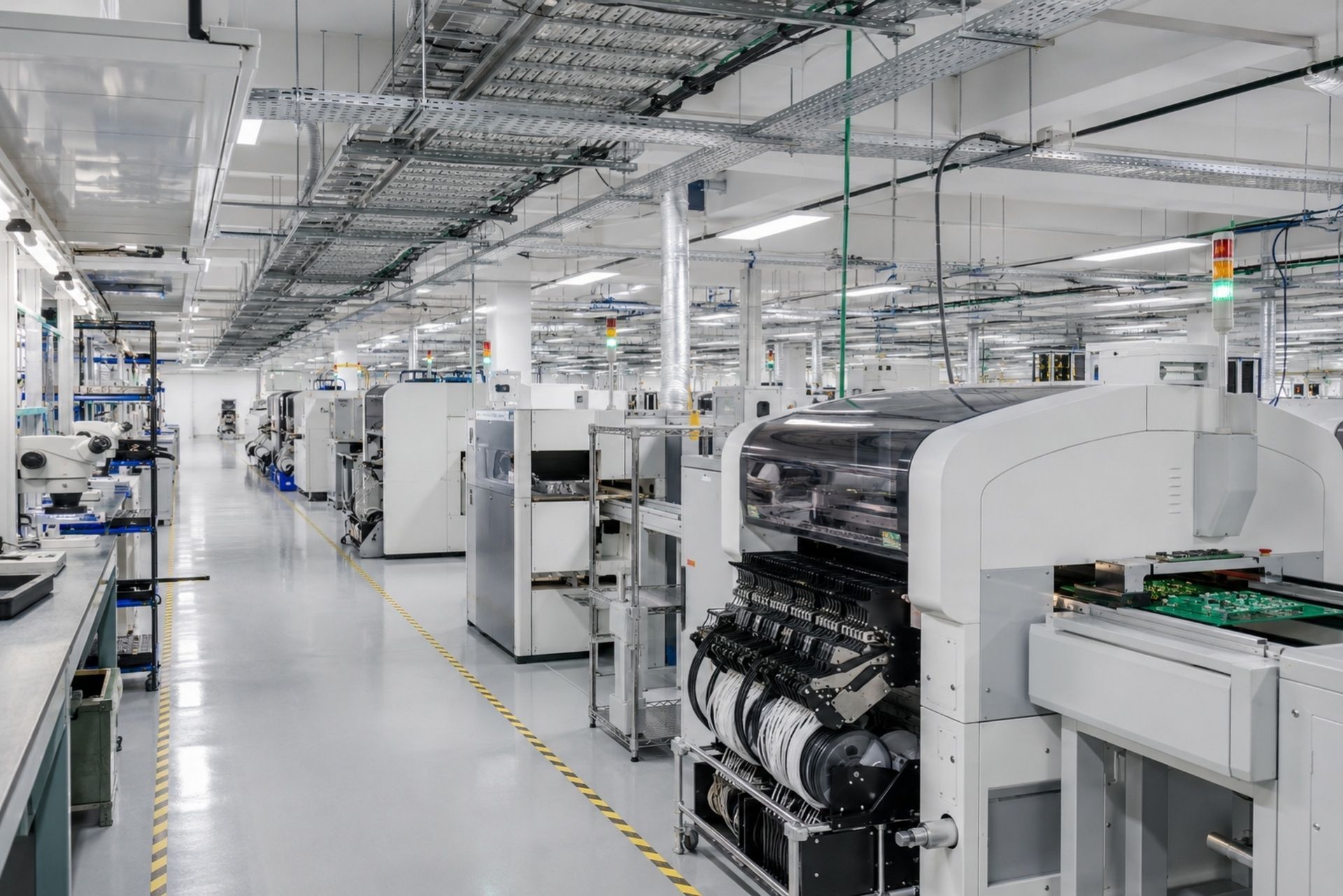
Electronics manufacturing sits at the intersection of high-value equipment, hazardous materials, and precision processes. That combination creates an insurance profile unlike retail, construction, or even general manufacturing. Your facility likely uses solder paste, flux chemicals, and cleaning solvents that each carry their own environmental liability. You're also housing equipment where a single pick-and-place machine can cost $250,000 or more.
California adds its own wrinkles. The state's environmental regulations are among the strictest in the country, and the Department of Toxic Substances Control can impose cleanup costs that dwarf the original incident. Your insurance program needs to account for pollution liability, equipment breakdown, product defects, and workforce injuries, all while meeting state-specific mandates.
Meeting State-Mandated Requirements
California requires workers' compensation insurance for every business with employees, no exceptions. The Division of Workers' Compensation enforces this aggressively, and penalties for non-compliance start at $100,000 per occurrence. The advisory pure premium rate for electronics manufacturing (Class 3681) saw a 3.2% decrease in 2026 compared to the previous year, which is welcome news for facility operators watching their overhead.
You'll also need commercial auto insurance if your business owns or operates vehicles, and California's minimum liability limits ($15,000/$30,000/$5,000) are far too low for a manufacturing business. Most carriers and clients will expect $1M/$2M policies at minimum. If you handle hazardous waste transport, additional coverage and permits apply under CalEPA guidelines.
Protecting Specialized Manufacturing Equipment
Standard property insurance treats your building and its contents as generic assets. That's a problem when your "contents" include a $1.2 million reflow oven, nitrogen-purged storage cabinets, or an AOI inspection system calibrated to micron-level tolerances. Equipment breakdown coverage, sometimes called boiler and machinery insurance, fills this gap by covering mechanical and electrical failures that property insurance excludes.
Cleanroom environments deserve special attention. A contamination event caused by HVAC failure doesn't just damage the room itself; it can destroy in-process inventory worth hundreds of thousands of dollars. Your policy should explicitly cover both the physical infrastructure and the work-in-progress inside it.
| Feature | General Liability (GL) | Professional Liability (E&O) |
|---|---|---|
| Covers | Bodily injury, property damage, advertising injury | Professional mistakes, negligence, failure to perform |
| Example Claim | A client trips over your cable at their office | A misconfigured firewall leads to a data breach |
| Typical Limit | $1M per occurrence / $2M aggregate | $1M per claim / $2M aggregate |
| Required By | Landlords, some contracts | Nearly all client contracts |
| Trigger | Physical incidents | Professional service failures |

By: Dax Kastrin
Founder and Agent at ERM Insurance
Core Coverage vs. Specialized Protection
Most electronics manufacturers start with a Business Owner's Policy, which bundles general liability and property coverage. That's a reasonable foundation, but it leaves significant gaps for this industry. The real question isn't whether you need insurance; it's whether your coverage actually matches your risk exposure.
General liability handles third-party bodily injury and property damage claims. If a visitor slips on your production floor, that's covered. But if a batch of circuit boards you manufactured causes a fire in your customer's product, general liability alone won't protect you. That's where professional liability and product liability enter the picture, and most manufacturers need both.
Comparison: General Liability vs. Professional Liability
General liability responds to physical incidents: someone gets hurt on your premises, or your operations damage someone else's property. Professional liability, often called errors and omissions coverage, responds to financial losses caused by your professional services or design work. If you provide design-for-manufacturing feedback and a client claims your guidance caused a defective product run, that's a professional liability claim.
Here's the catch: many electronics manufacturers blur the line between pure manufacturing and
engineering services. If you're doing any design work, prototyping, or
consulting alongside production, you likely need both policies. A $1M/$2M general liability policy might run $3,000 to $7,000 annually for a small shop, while professional liability can add another $2,000 to $5,000 depending on your revenue and services.
Coverage Comparison Table
Table: Basic vs. Comprehensive Manufacturing Policies
| Coverage Area | Basic BOP Policy | Comprehensive Manufacturing Policy |
|---|---|---|
| General Liability | $1M/$2M included | $1M/$2M with umbrella option to $5M+ |
| Property Coverage | Building and contents at replacement cost | Building, contents, and specialized equipment with agreed value |
| Equipment Breakdown | Not included | Covered, including calibration loss |
| Product Liability | Limited or excluded | Full coverage for manufactured components |
| Pollution Liability | Excluded | Included for sudden and gradual events |
| Business Interruption | Basic loss of income | Extended coverage including supply chain delays |
| Cyber Liability | Not included | Covered for IP theft and data breach |
| Workers' Comp | Separate policy required | Bundled or coordinated with carrier |
| Typical Annual Cost (Small Shop) | $5,000 - $10,000 | $15,000 - $35,000+ |
The price difference is real, but so is the coverage gap. A basic policy might save you $10,000 a year until a single product recall costs you $500,000 out of pocket.
Addressing Risks in the Tech Supply Chain
Electronics manufacturing doesn't happen in isolation. Your facility depends on upstream suppliers for raw materials and components, and your customers depend on you for finished goods that meet exact specifications. Any break in that chain creates financial exposure, and your insurance needs to account for it.
Product Recall and Liability for Components
Imagine you manufacture power management ICs that go into consumer electronics. A design flaw or manufacturing defect causes overheating in the end product, and the brand issues a recall. Your product liability policy should cover your share of recall costs, but not all policies treat recall expenses the same way. Some cover only third-party bodily injury claims, while others include the actual cost of notification, retrieval, and replacement.
California's strict consumer protection laws, including the Song-Beverly Consumer Warranty Act, can amplify your exposure. If your component is deemed defective, you may face liability even if the end product's design contributed to the failure. Product liability coverage with a minimum of $2M per occurrence is a reasonable starting point for most small to mid-size operations, though high-volume manufacturers should consider $5M or more.
Business Interruption and Supply Chain Failure
A fire at your facility is an obvious trigger for business interruption coverage. Less obvious: what happens when your sole-source supplier of ceramic capacitors shuts down due to a natural disaster in Asia? Contingent business interruption insurance covers your lost income when a key supplier or customer experiences a covered loss that affects your operations.
This coverage proved its value during recent global supply chain disruptions. Manufacturers who carried contingent BI policies recovered lost revenue during extended component shortages, while those without it absorbed the full financial hit. Your policy's waiting period, typically 48 to 72 hours, and coverage duration matter here, so read the fine print carefully.
Managing California-Specific Manufacturing Costs
California's insurance premiums run higher than most states, and electronics manufacturers feel that pressure. Workers' comp rates, while down slightly in 2026, still reflect the state's higher medical costs and litigation-friendly environment. Property insurance premiums have also climbed due to wildfire risk, even for facilities in urban industrial parks.
There are practical ways to manage these costs without cutting coverage. First, invest in documented safety programs. Carriers reward facilities with formal lockout/tagout procedures, chemical handling training, and regular equipment maintenance logs. A well-documented safety program can earn you 5% to 15% premium discounts.
Second, consider higher deductibles on property coverage if your cash reserves allow it. Moving from a $1,000 to a $5,000 deductible can reduce your annual premium meaningfully, and most facilities can absorb a $5,000 loss without financial strain. Third, bundle your policies with a single carrier when possible. Package discounts of 10% to 20% are common, and having one carrier manage your claims simplifies your life considerably.
Premium audits are another reality in California. Your carrier will audit your actual payroll and revenue against your policy projections at year-end. If your payroll grew 20% beyond your estimate, expect an additional premium bill. Accurate projections at renewal time prevent these surprises.
Common Questions About Electronics Insurance
FAQ: What does product liability actually cover for circuit boards?
Product liability covers third-party claims for bodily injury or property damage caused by a defect in your manufactured product. If a PCB you produced causes a device to overheat and injure someone, the policy pays for defense costs and settlements. It typically doesn't cover the cost of replacing the defective boards themselves.
FAQ: Do I need workers' comp if I use independent contractors?
California's AB 5 law makes it very difficult to classify workers as independent contractors in manufacturing settings. If your workers meet the ABC test criteria for employees, you need workers' comp coverage for them. Misclassification penalties are steep, and the Employment Development Department actively audits manufacturing businesses.
FAQ: How much does insurance cost for a small PCB shop?
A small PCB assembly operation with 10 to 15 employees and $1M to $3M in annual revenue can expect to pay $15,000 to $30,000 per year for a comprehensive insurance package. That includes general liability, property, workers' comp, and product liability. Costs vary based on your specific processes, claims history, and coverage limits.
FAQ: Does standard property insurance cover cleanroom damage?
Standard property policies cover damage from named perils like fire or windstorm, but they typically exclude contamination events, equipment breakdown, and gradual deterioration. You'll need equipment breakdown coverage and potentially an inland marine policy to fully protect cleanroom infrastructure and the sensitive inventory inside it.
FAQ: Why is California insurance more expensive than other states?
California's higher medical costs, employee-friendly litigation environment, and strict regulatory framework all drive premiums up. The state's
workers' compensation system includes benefits and fee schedules that exceed national averages. Wildfire exposure also increases property insurance costs statewide, even for facilities outside high-risk zones.
Making the Right Choice for Your Facility
Getting your California electronics manufacturing insurance coverage right isn't a one-time decision. Your risk profile changes as you add equipment, take on new clients, or expand into different product lines. An annual policy review with a broker who understands electronics manufacturing, not just general commercial insurance, is one of the best investments you can make.
Start by auditing your current coverage against the risks outlined in this guide. Pay special attention to product liability limits, equipment breakdown coverage, and pollution liability. These are the three areas where we see the most dangerous gaps in electronics manufacturing policies. Request quotes from at least three carriers, and compare not just premiums but deductibles, exclusions, and claims handling reputation.
The right insurance program protects your facility, your employees, and your business relationships. Don't wait for a six-figure claim to find out what your policy actually covers. Talk to a specialist broker this quarter, get your coverage reviewed, and make sure your protection matches your actual exposure.
About The Author:
Dax Kastrin
As Founder and Agent at ERM Insurance, I’m committed to helping clients understand and manage risk through clear, straightforward coverage solutions. With professional designations as an Accredited Advisor in Insurance (AAI) and Associate in General Insurance (AINS), I focus on delivering dependable protection and personalized service for every individual and business I work with.
Your Business Insurance Solutions

Workers’ Compensation Insurance
Protect your workers from significant financial losses if they are injured or disabled while performing their duties as an employee.

Cyber Liability Insurance
Safeguard your business against financial losses from data breaches, especially those that involve sensitive customer information and other unforeseen cyber events, like cybercrime.

Directors & Officers Liability
Protect your C-suite officers and board members, as well as the companies they represent if they are the subject of a claim or investigation from their duties.

General Liability Insurance
Guard your business against the cost of claims that can be filed due to bodily injury to a third party, damage to third-party property, lawsuits, and more.

Business Owners Insurance
Reduce the cost of premiums by getting a business owner’s insurance, a coverage plan that combines commercial property insurance and general liability insurance.

Commercial Auto Insurance
Guard your business against financial losses from accidents involving company vehicles. Commercial auto insurance provides for bodily injury liability and property damage.

Commercial Property Insurance
Recover from financial losses involving damage to your physical assets, including furniture, physical building, office space, inventory, landscaping and fencing, signage, and more.

Lessor's Risk Insurance
Get coverage for your rental properties. A lessor’s risk insurance covers financial losses from acts of vandalism, litigation costs for lawsuits, theft of property owned by your tenants, and more.

Product Liability Insurance
Protect your companies from claims made against the goods you provide. This covers injuries caused by malfunctions of products, design defects, and more.
Choose Elemental Risk Management Today
Get a Plan Suited to Your Business
ERM assesses the risks that your company faces, as well as your industry, operations, workforce, and more.
Recover Quickly
With business insurance coverage, you’ll bounce back from adverse events that could have left your business on the brink of bankruptcy.
Avoid Overpaying
Through customized solutions, your business will get adequate coverage without unnecessary costs. We’ll keep premiums cost-effective.
Our Testimonials
Hear from our clients
“We recently changed our business insurance after over 20 years, and we couldn't be happier. We didn't realize how poor the service was, how unresponsive, and slow the service was of our previous carrier. Dax and his team have gone above and beyond to answer every question our business had, to ensure that we had the coverage we needed, and fully understood everything we were getting. Not only did we save money, but we have saved a lot of time with the quick responsiveness of this team. They are exceptional. Would Highly recommend, and provide references."
Laura Harrison
May 2021
"I love working with the ERM crew! They are always super inquisitive and willing to learn/ask questions to provide their clients with the best possible insurance solution. I would definitely recommend them to anyone looking for advice on their current policies and coverage."
Nicole Limpert
May 2021
“Elemental Risk Management has been our insurance agent for 2 years now. They are consistently shopping for us to have the very best quality of coverage, as well as the best rates available. They saved our company over $20,000.00 in premiums our first year doing business with them. They are also quick to respond to any need (COI's, accident reporting, etc.). I recommend the team at ERM very highly!
Ramona Mills
June 2021